
Smart Budgeting for Families: 5 Real Money-Saving Tactics
Discover five practical, real-world tactics to tighten family budgets without sacrificing essentials. Learn how to track every dollar, plan meals, trim recurring costs, build buffers, and automate savings. Practical, actionable steps await.
Introduction
If your monthly budget feels like a leaky bucket, you’re not alone. Between rising prices, childcare, and the everyday surprises life throws at you, it can be hard to keep track of every dollar and still sleep well at night. The good news: a few realistic tactics can make a meaningful difference without turning budget planning into a full-time job.
This article shares five practical money-saving tactics you can start using today. They’re designed for real families with real schedules, not for theoretical perfection. You’ll find doable steps, sample routines, and small changes that add up over time.
Main Content
Tactic 1: Build a zero-based budget and track every dollar
What it is:
Why it works:
How to do it:
1) List net monthly income (after taxes and debts).
2) Write down fixed needs (housing, utilities, insurance) and essential variable costs (groceries, transport, child care).
3) Allocate the rest to debt payoff, savings, and a small buffer for wants.
4) Track weekly: reconcile receipts, apps, and receipts with the plan.
5) Review and adjust on a set day (e.g., Sunday evening).
Example:
Adjust as needed if actuals drift. The goal is consistency, not perfection.
Tip: Start with a simple sheet or a one-page budget template and scale up later. A quick weekly check-in (10 minutes) can prevent small leaks from becoming big problems.
Tactic 2: Plan meals and optimize groceries
What it is:
Why it works:
How to do it:
1) Review what’s already in the pantry and freezer.
2) Draft 5–7 dinners for the week based on sales and staples.
3) Create a shopping list organized by store aisles and unit prices.
4) Compare unit prices (price per ounce/gram) and prefer bulk non-perishables but skip bulky items you won’t use.
5) Batch-cook and repurpose leftovers for lunches or new dinners.
Practical wins:
Tactic 3: Trim recurring costs and optimize energy use
What it is:
Why it works:
How to do it:
1) List every recurring payment (streaming, apps, memberships, insurance, utilities).
2) Cancel unused or rarely used subscriptions; negotiate or switch to lower-cost plans where possible.
3) Tackle energy use: switch to LED bulbs, set a reasonable thermostat, seal gaps in windows, and run full loads for laundry and dishes.
4) Review transportation costs: carpool, public transit, or more efficient routes can save fuel and maintenance.
5) Set a quarterly review to reassess needs and renegotiate where feasible (e.g., insurance premiums).
Tip: Treat energy savings like a recurring bill you can reduce. Even a 5–10% cut can free up funds for savings or debt payments.
Tactic 4: Build an emergency fund and sinking funds for the essentials
What it is:
Why it works:
How to do it:
1) Start with a realistic target: 3 months of essential expenses, then grow toward 3–6 months.
2) Create sinking funds for predictable big costs (annual insurance, birthdays, school supplies).
3) Automate small, regular transfers into these accounts on payday.
4) Reassess monthly, then quarterly, to ensure you’re on track and adjust for life changes.
Tip: Separate accounts or “buckets” (even digitally) help you see progress and prevent money from being reallocated to nonessential wants.
Tactic 5: Automate savings and practice mindful spending
What it is:
Why it works:
How to do it:
1) Set automatic transfers: a fixed amount to savings, and a separate amount for debt repayment or sinking funds.
2) Apply a 24-hour rule for nonessential purchases: sleep on it before you buy.
3) Use a deliberate spending method for discretionary items (cash envelopes or a digital envelope system).
4) If you carry debt, consider a payoff strategy that fits your situation (avalanches for fastest interest savings, or snowball for quick wins).
5) Review quarterly to reallocate funds as goals shift (e.g., a child's growing needs or a family trip).
Note: The idea is to make saving and debt reduction automatic, while keeping room for meaningful family experiences.
Conclusion
Balancing a family budget doesn’t require heroic discipline or endless spreadsheets. By embracing a practical mix of zero-based budgeting, smarter grocery planning, cost trimming, dedicated buffers, and automated saving, you can build financial resilience step by step. The goal is steady progress, not flawless perfection—and the plan should fit your real-life rhythms, not the other way around.
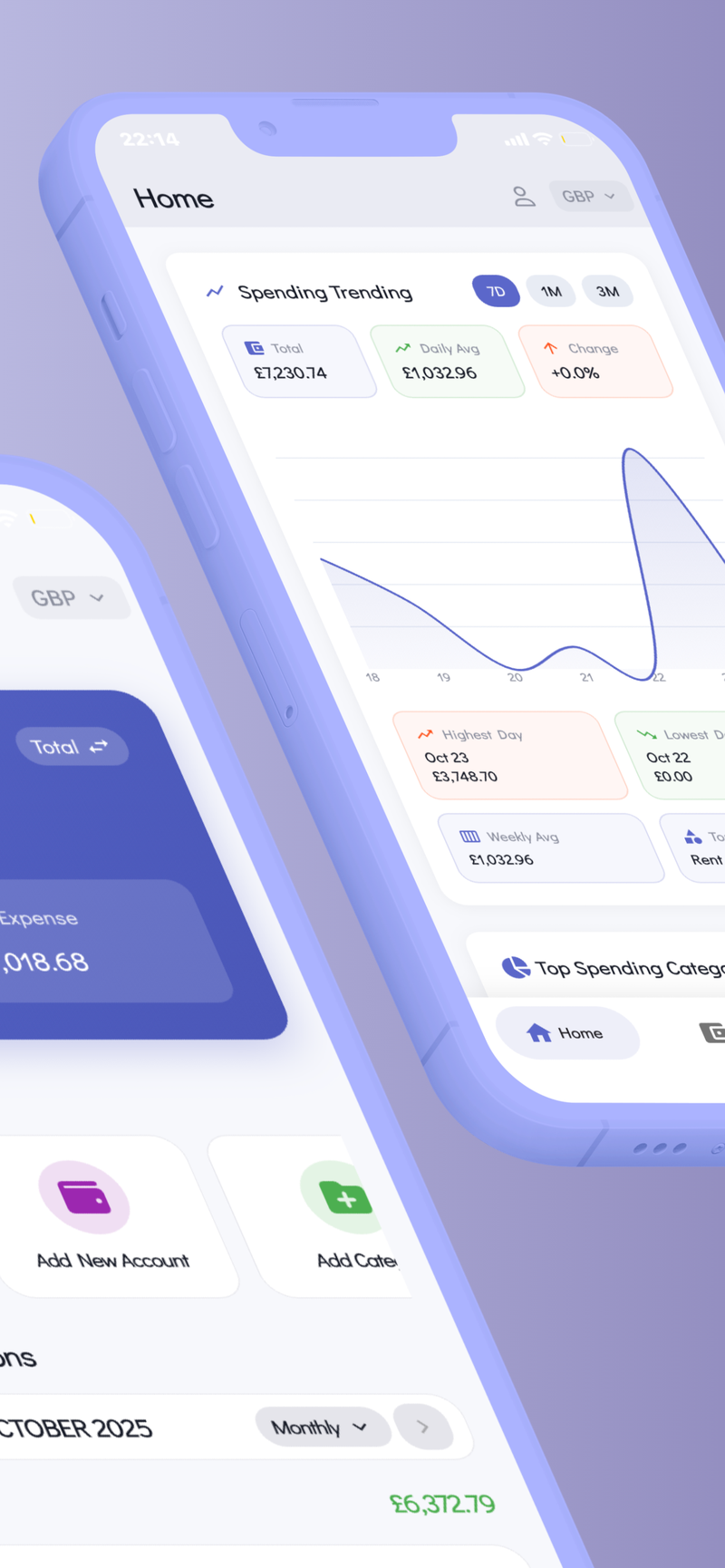
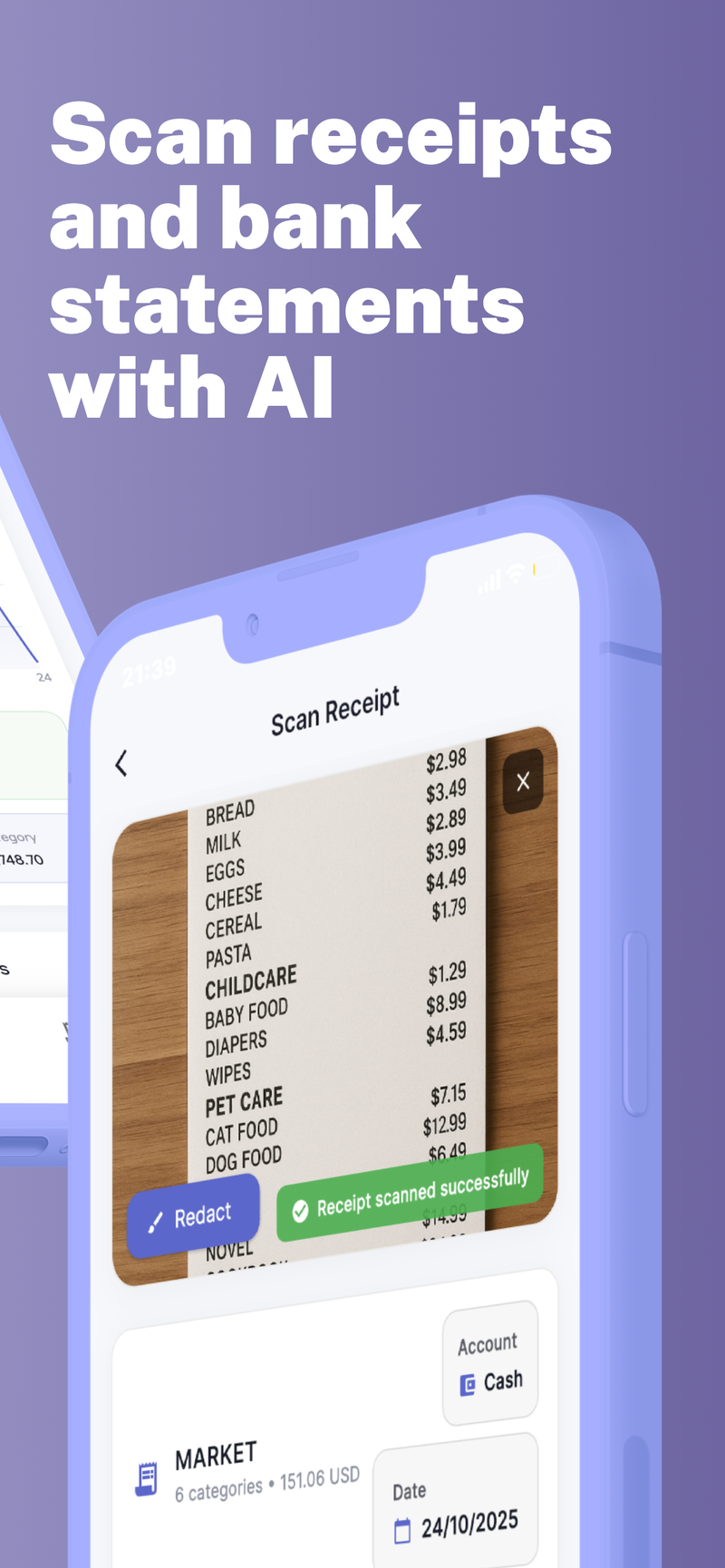
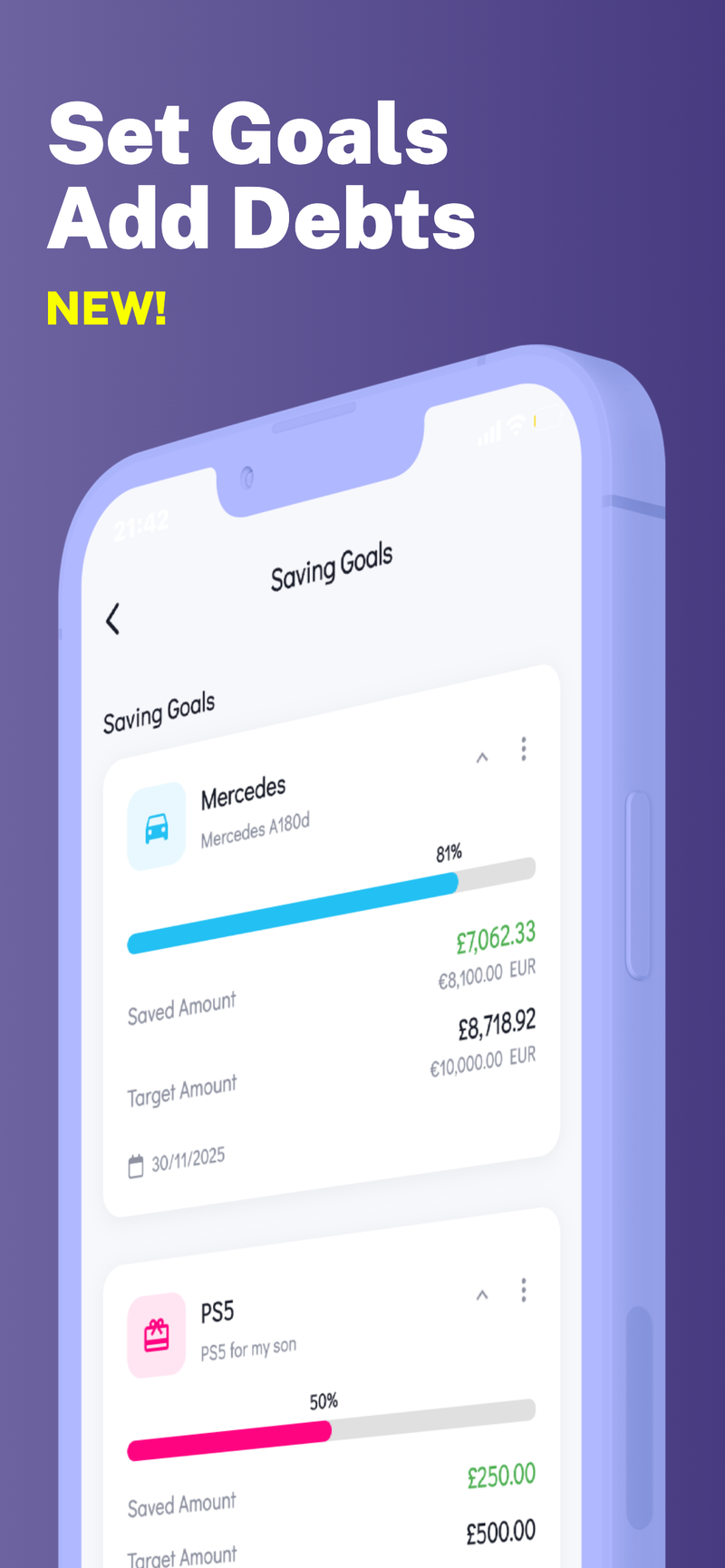
If you want a private, on-device tool to help manage multiple family budgets without syncing to the cloud, Fokus Budget can help with this. With features like Multi-Profile Support, you can track up to five different budgets in one secure, privacy-focused app. It’s a helpful companion for families who want clarity and control


✨ Multi-Profile Support