Introduction
If your paycheck arrives in waves and bills pile up in the gaps, you’re not alone. Irregular income is common among freelancers, seasonal workers, and small business owners. The challenge isn’t earning less—it’s budgeting so you’re not caught off guard when a lean month hits. Here’s a straightforward four-step plan you can apply starting today.
The 4-Step Plan
Step 1: Map your income reality
Track income for the past 12 months. List each month and the actual amount you received.Identify patterns: seasons, spikes, and troughs. Do you have reliable months you can count on?Create a simple profile of your income: minimum expected, typical, and peak months.Example: A freelance designer might see $1,500 in quiet months and up to $5,000 in busy months, with many months in between. Knowing this helps you plan without guessing.Step 2: Build a base budget anchored to essentials
List essentials (non-negotiables): housing or rent, utilities, groceries, transportation, insurance, minimum debt payments, healthcare.Compute your Essential Monthly Cost (EMC): sum of those non-discretionary items.Create two budget buckets:Essentials (must-happen): cover EMC first, every month.Discretionary (flexible): everything outside EMC, adjustable by income.Lean-month rule: if income falls below EMC, cut discretionary spending to zero and avoid late fees or interest where possible.Practical tip: automate essential bill payments and set a realistic discretionary cap based on income level. Use a simple spreadsheet or a budgeting notebook to keep this transparent.Step 3: Build an emergency buffer for variability
Target: place 3–6 months of EMC into a separate, easily accessible fund.Why: this buffer absorbs the volatility of irregular income and reduces the need to borrow during lean periods.How to build it: 1) Decide EMC (e.g., $2,000/month).
2) Target fund = EMC × 3 (conservative) or EMC × 6 (comfortable).
3) Each time income exceeds EMC, divert a portion to the buffer until the target is reached.
Use a simple rule: in months with surplus, contribute to buffer first; in lean months, draw from buffer to cover EMC and avoid debt.Real-world note: many households struggle to cover emergencies; an emergency fund helps bridge the gap between fluctuating income and steady bills.Step 4: Forecast, plan, and review
Build a 90-day rolling forecast: estimate income bands for the next three months and map how you’ll allocate funds across the buckets.Plan for seasonality: identify peak months that can fund lean months or replenish the buffer.Review cadence:At least once a month, compare actuals to the forecast.Adjust EMC if necessary (e.g., renegotiate utilities, refinancing, or adjusting insurance needs).Reconfirm discretionary limits based on current cash flow.Practical tips:Maintain a simple expense log; categorize every spend as essential or discretionary.Schedule reminders for payments so you don’t miss deadlines.Have a fallback plan for anticipated lean periods (delay non-urgent purchases, pause subscriptions temporarily).Quick scenario planning:Best-case: extra income goes to buffer and debt payoff.Moderate-case: use buffer to cover small shortfalls; gradually rebuild.Worst-case: EMC is not met; use the forecast to identify the smallest viable cuts to stay solvent.Putting it into action (a quick example)
EMC: $2,000/month (rent, utilities, groceries, transport, insurance).Buffer target: $6,000 (3 months of EMC).A lean month arrives with $1,200 income. With Step 2, discretionary is zeroed and EMC is funded from buffer if needed. In a busy month with $4,500 income, $2,000 covers EMC, and the remaining $2,500 can go to buffer or savings.Over a year, you’ll have a stable EMC, a growing buffer, and a clear plan for any surplus.Real-world tips and pitfalls
Automate essential payments to avoid late fees during chaotic months.Keep discretionary spending flexible: pause non-essentials during lean periods and resume when you’re back on track.Track not just dollars, but timing: some incomes arrive at different times than bills due dates. Align receipts with payment days when possible.Don’t chase perfect consistency; aim for resilience. A well-built buffer and clear priorities beat heroic last-minute budgeting.Conclusion
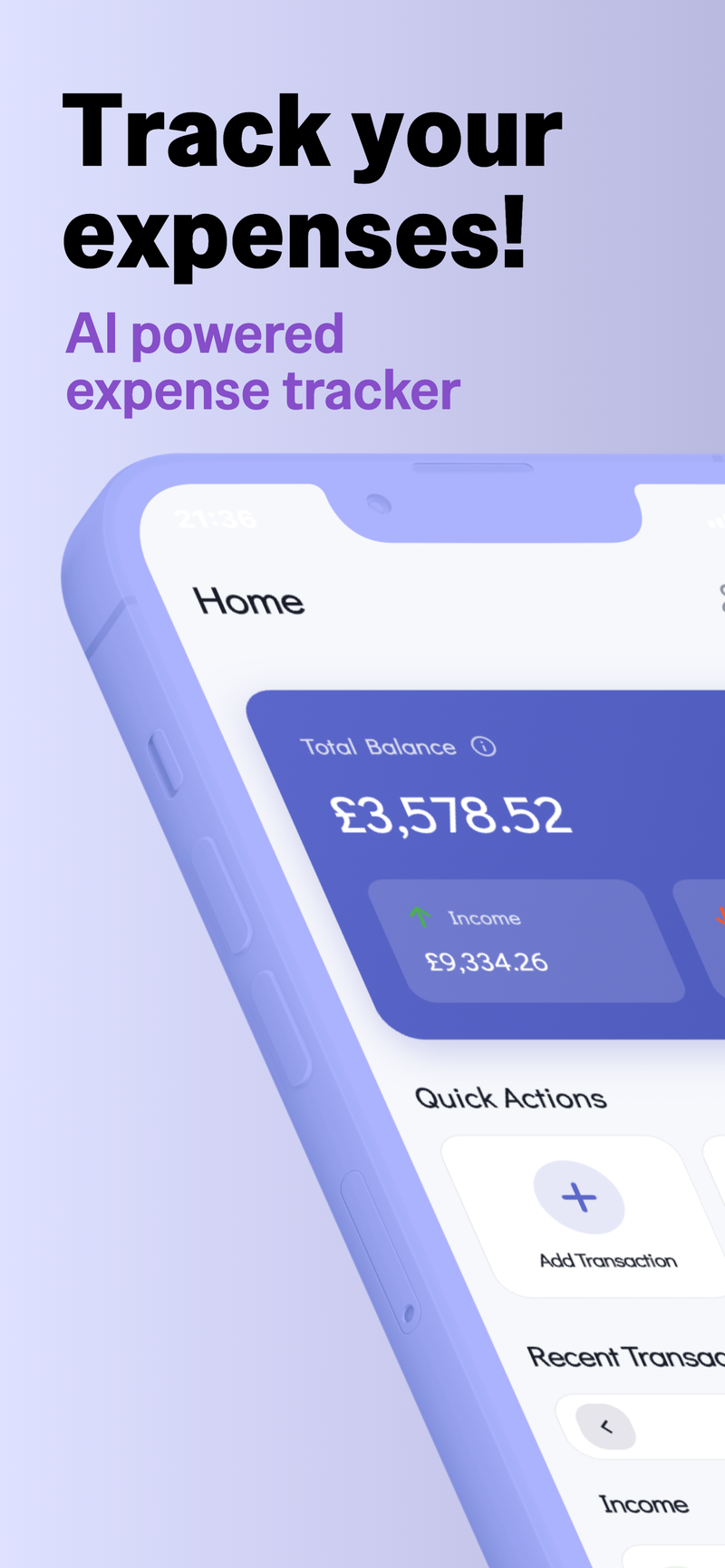
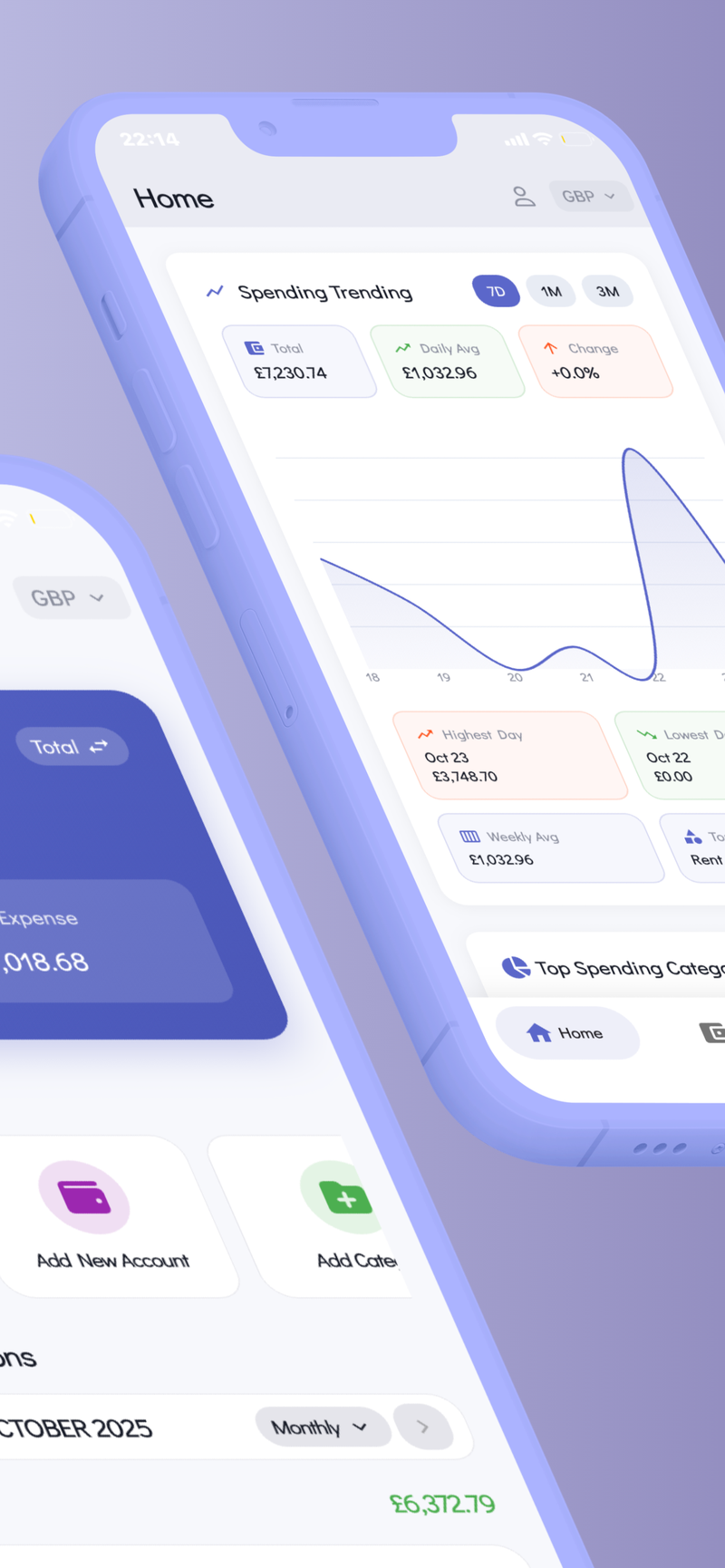
Managing money with irregular income takes discipline, but a simple framework makes it predictable. Map your income, anchor essentials, build a buffer, and forecast regularly. The payoff is less stress, more control, and the freedom to plan for goals rather than survive month to month. If you’re juggling budgets for a personal, family, or business context, a tool that supports multiple profiles can help you stay organized. Fokus Budget, with Multi-Profile Support and privacy-first design, can help you put this four-step plan into practice.