Introduction
Grocery prices have a way of creeping up just when you’re busiest. A busy week, a couple of extra meals out, or a sudden sale you didn’t plan for can derail even the best budget. The good news: with a practical system, you can lower your monthly grocery bill without sacrificing meals or nutrition. The key is to plan, shop with purpose, and track what actually gets used.
This guide gives you real, actionable steps you can implement this month. No gimmicks, just a clear path to spend less while still eating well.
Practical steps to cut grocery costs
1) Start with a quick budget snapshot
Record what you actually spent on groceries in the last 2–4 weeks. Do not guess.Set a realistic monthly target based on your family size and income. A common starting point is to aim for 10–15% less than your current monthly average.Create a simple tracking method you’ll actually use (a notebook, a spreadsheet, or a free budgeting app). The goal is consistency, not perfection.Why this matters: awareness is the first lever. If you don’t know where the money is going, it’s easy to drift back into old habits.
2) Build a 4-week meal plan (anchor your groceries)
Start with a core set of meals you enjoy and reuse leftovers creatively.Assign one “theme night” per week (e.g., Meatless Monday, Pasta Wednesday, Stir-Fry Friday) to simplify decisions.List ingredients by week, not by item. This reduces “miscellaneous” buys that accumulate into waste.Implementation tips:
Draft meals around affordable staples (beans, oats, rice, eggs, seasonal vegetables).Batch cook and freeze portions for lunches and busy evenings.Reserve a small buffer for fresh produce, but avoid impulse buys by sticking to the plan.3) Shop smarter, not cheaper on impulse
Use unit prices to compare items (price per ounce, liter, or gram).Favor store brands and seasonal produce; they’re often at least 20–30% cheaper than premium brands with similar quality.Check weekly flyers, but only buy items you’ll use before they expire. Avoid stocking up on items you don’t already use.Treat loyalty programs as savings tools, not reasons to buy more. Use coupons for items you already buy, not products you don’t need.Quick wins:
Make a strict shopping list and stick to it. Lists reduce impulse purchases by an estimated 10–15%.Shop once a week instead of daily to minimize small, costly detours.4) Pantry, fridge, and freezer discipline
Do a weekly inventory before you shop. Move items to the front (FIFO: First In, First Out).Use what you have first. Base meals on pantry staples that stretch across multiple days.Preserve freshness: store leafy greens properly, freeze excess bread, and portion sauces to avoid spoilage.Why waste reduction saves money: percent of food bought that goes unused can account for a surprising portion of grocery budgets. Small waste cuts add up fast, especially for families.
5) Seasonal and smarter purchasing habits
Seasonal produce is typically cheaper and fresher; opt for it when possible.Frozen fruits and vegetables are often cheaper and just as nutritious as fresh, with a longer shelf life. They’re excellent backups for smoothies, stir-fries, and bowls.Buy meat in larger, discounted portions and freeze in meal-sized packages; portioning helps prevent over- or under-purchasing.6) Batch cooking and smart storage
Dedicate a couple of hours each week to batch cook big pots of soup, chili, or casseroles.Use leftovers creatively: transform yesterday’s roast into sandwiches, wraps, or a hash for another meal.Label containers with dates to avoid letting good food slip into waste.7) Track progress and adjust
Compare your actual spend to your monthly target at mid-month and again at month-end.If you’re overspending, identify one or two culprits (often impulse buys or overstocked pantry items) and adjust quickly.Set small, achievable milestones (e.g., $50 saved per week) to maintain motivation.Data-backed reminders:
Sticking to a shopping list can reduce costs by roughly 10–15%.Impulse buys can add a noticeable chunk to your bill, sometimes 10–20% depending on your spending habits.A simple starter plan you can try next week
Create a 4-week meal plan around affordable staples.Draft a precise shopping list based on the plan and a pantry inventory.Schedule one weekly grocery trip with a 60-minute limit.Review purchases after each week and adjust the next week’s list.Use seasonal produce and frozen options to fill in gaps.Sample starter shopping list (example, adjust to your family size):
Dry beans and rice, oats, eggs, milk or non-dairy alternative, potatoes, onionsSeasonal vegetables (whatever looks good at the market)Frozen vegetables, canned tomatoes, pastaLean protein on sale (chicken thighs, canned tuna, eggs)Apples, bananas, and other affordable fruitsSpices and pantry basics you’re missingConclusion
Cutting grocery costs isn’t about deprivation; it’s about planning, discipline, and smart choices that fit your schedule and taste. Start with a clear budget snapshot, build a simple 4-week meal plan, and shop with a purpose. Small, steady improvements—consistent meal planning, mindful shopping, and better waste control—compound into meaningful savings over a month and a year.
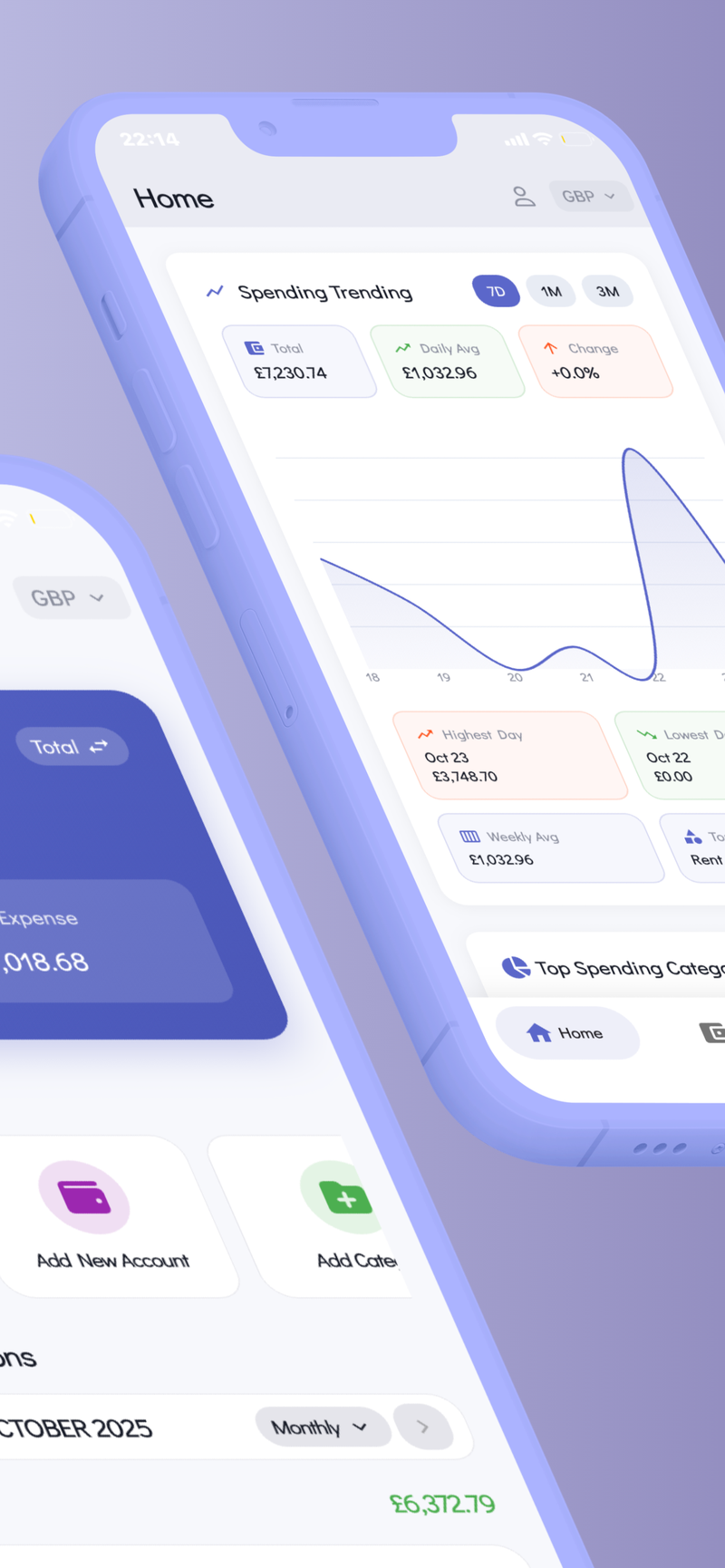
If you’re looking for a practical, privacy-focused way to keep track of your budget and spending with a clean, on-device experience, Fokus Budget can help. Its focus on secure, private budgeting makes it easy to monitor groceries and overall finances without sharing data externally. Fokus Budget supports a private, organized approach to budgeting that can complement the steps above and keep you on track month after month.