Fokus Budget

Fokus Budget

AI-powered expense tracking

·Budgeting

Stop Budget Bleeding Each Month: A 5-Step Plan

Struggling with monthly budget leaks? This practical 5-step plan helps you map spending, cut waste, and build a stronger budget for your family. Learn actionable steps to stop budget bleeding and gain financial confidence.

budgetingpersonal-financemoney-managementfamily-financefrugal-living

Introduction


Is your paycheck vanishing before the month ends? You’re not alone. Between rising prices, hidden charges, and the pull of small, impulsive buys, it can feel like money leaks out in tiny holes you can never quite patch. The good news: you can stop the bleeding with a simple, repeatable plan that fits a real family’s rhythm.

This guide outlines a practical 5-step approach to reclaim control of your money—without gimmicks or guilt trips. It’s about clarity, small wins, and steady progress that adds up over time.

The 5-Step Plan to Stop Budget Bleeding Each Month

Step 1: Track every dollar for 30 days


  • Start with a simple ledger: list income, then every expense, no matter how small.

  • Categorize each item as needs, wants, or savings/debt repayment.

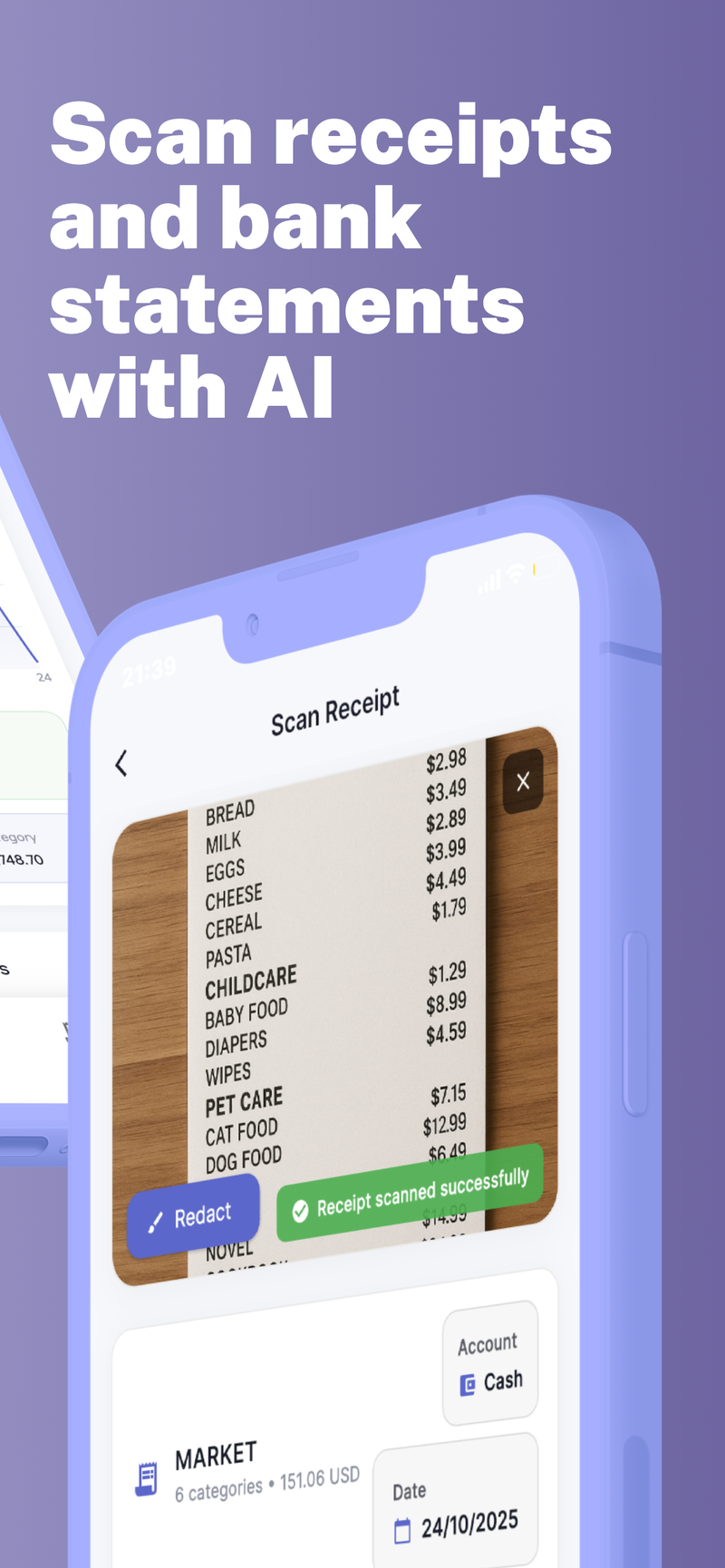
  • Record receipts or note every card transaction in real time (even a quick text note works).

  • At the end of 30 days, review where the money went and identify the obvious leaks.
  • Why this matters: most people misestimate where money disappears. A 30-day audit creates a concrete baseline you can act on. If you’re comfortable with a spreadsheet, a simple one-page sheet can do the job; if you prefer a visual, color-code categories (needs in blue, wants in orange, savings in green).

    Step 2: Cut leaks and recurring costs


  • List every recurring charge (streaming, gym, apps, memberships) and check usage for the past 3 months.

  • Cancel or downgrade services you rarely use. If you stay, negotiate. Many providers offer loyalty discounts or cheaper plans.

  • Tackle grocery and dining leaks: plan meals, shop with a list, and use store flyers or price apps.

  • Apply a 24-hour rule for impulse buys: wait a day for non-essentials.
  • Practical insight: recurring charges often quietly siphon funds. A 5–10% reduction in discretionary spending in many households can add hundreds to savings each month.

    Step 3: Apply needs vs. wants, and use a flexible budgeting framework


  • Try a 50/30/20-style approach as a starting point: 50% needs, 30% wants, 20% savings/debt.

  • Customize: if debt payoff is a priority, shift more into savings/debt (e.g., 60/20/20) and trim wants accordingly.

  • Needs include housing, utilities, groceries, healthcare, transportation, and minimum debt payments.

  • Wants include dining out, entertainment, vacations, and nonessential shopping.
  • Example: on a $4,000 monthly take-home pay, a 50/30/20 mix means about $2,000 for needs, $1,200 for wants, and $800 toward savings or debt. Adjust to your reality—consistency matters more than perfection.

    Step 4: Automate discipline and protect yourself from fees


  • Set up automatic transfers to a dedicated savings account the day you get paid (pay yourself first).

  • Automate bill payments to avoid late fees and penalties.

  • Build or grow an emergency fund with a goal of 3–6 months of essential expenses.

  • Use price-guardrails: pre-commit to a monthly cap for discretionary spending and monitor against it weekly.
  • Automation reduces decision fatigue and helps you stay within bounds, even when life gets busy. Small, regular savings compound over time into meaningful buffers.

    Step 5: Review, adjust, and plan ahead (weekly and monthly rhythms)


  • Schedule a 15-minute weekly budget check-in. Compare actuals to plan, celebrate wins, and catch anomalies early.

  • Do a fuller monthly review: what worked, what didn’t, and what to tweak next month.

  • Prepare for predictable expenses (insurance due dates, school fees, car maintenance) by pre-allocating funds each month.
  • Tiny habits beat big overhauls. A short, regular rhythm makes a bigger difference than occasional, dramatic scrambles to patch gaps.

    Practical tips and data-backed context


  • The 50/30/20 framework is a widely used budgeting guideline that helps families balance essential needs with lifestyle choices while prioritizing savings.

  • In many households, housing, utilities, food, and transportation dominate monthly spending; identifying these core categories is the fastest way to spot big leaks.

  • An emergency fund of 3–6 months of essential expenses is a proven buffer against income shocks and unexpected costs.

  • Even small daily savings—like a $5–$10 tweak here or there—add up to several hundred dollars over a year.
  • By applying these steps consistently, you’ll replace guesswork with a repeatable system and start seeing progress in weeks, not months.

    Conclusion


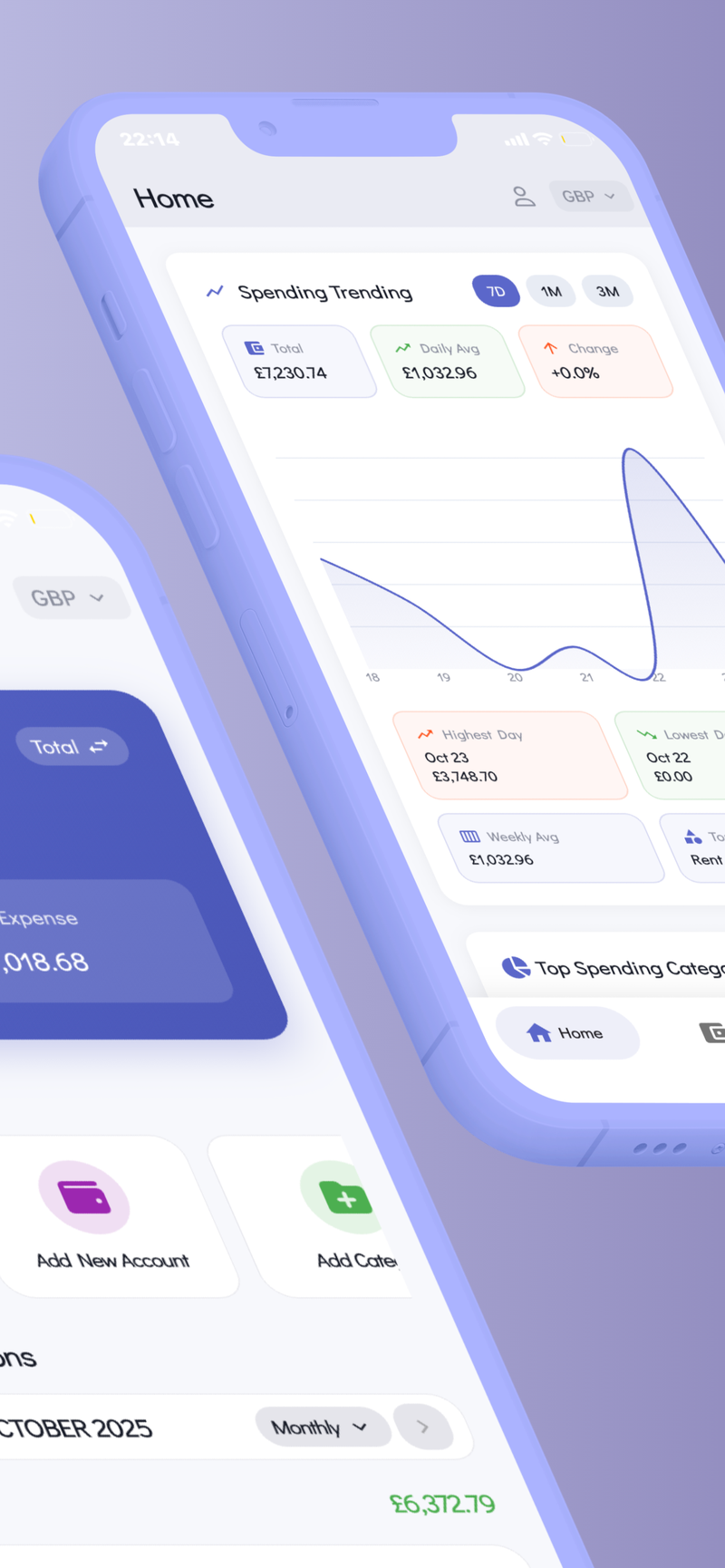
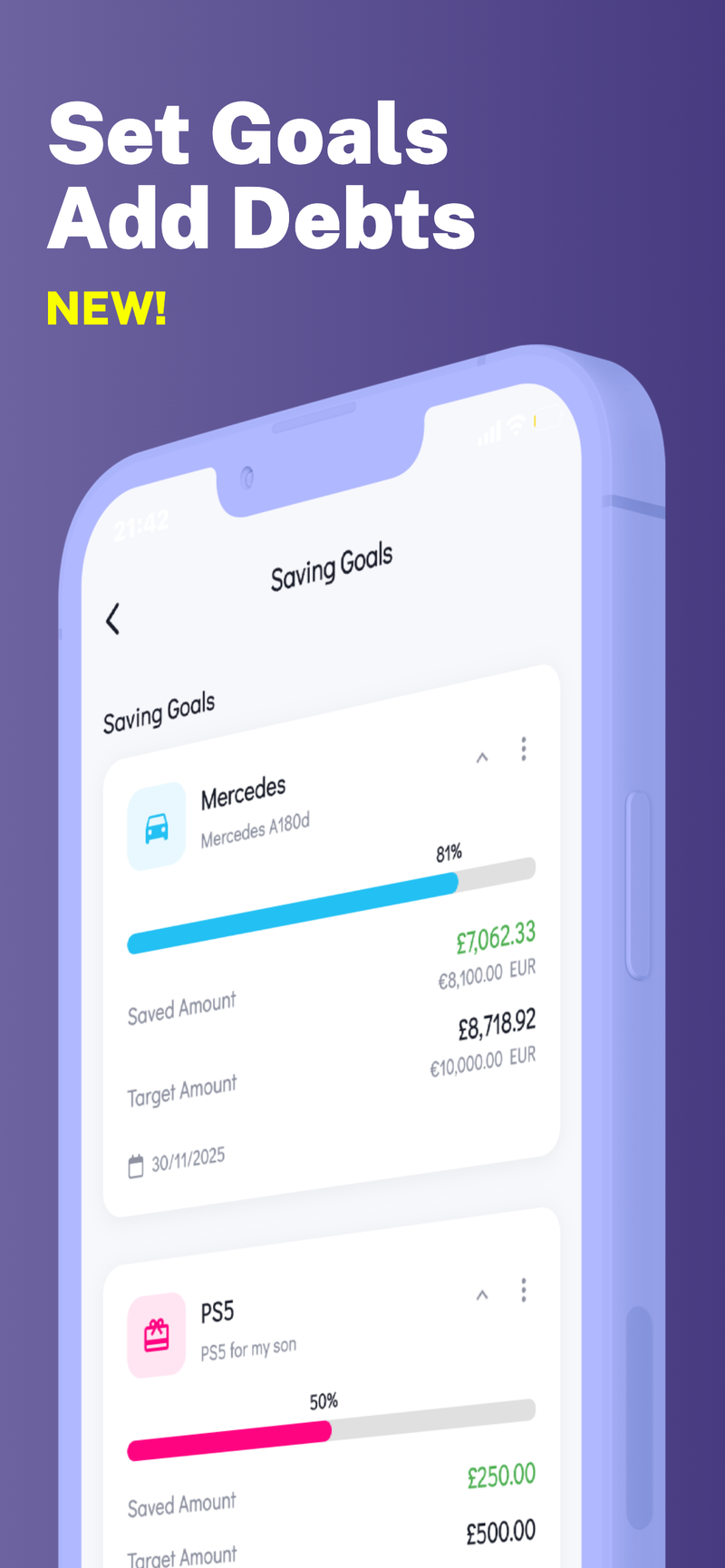
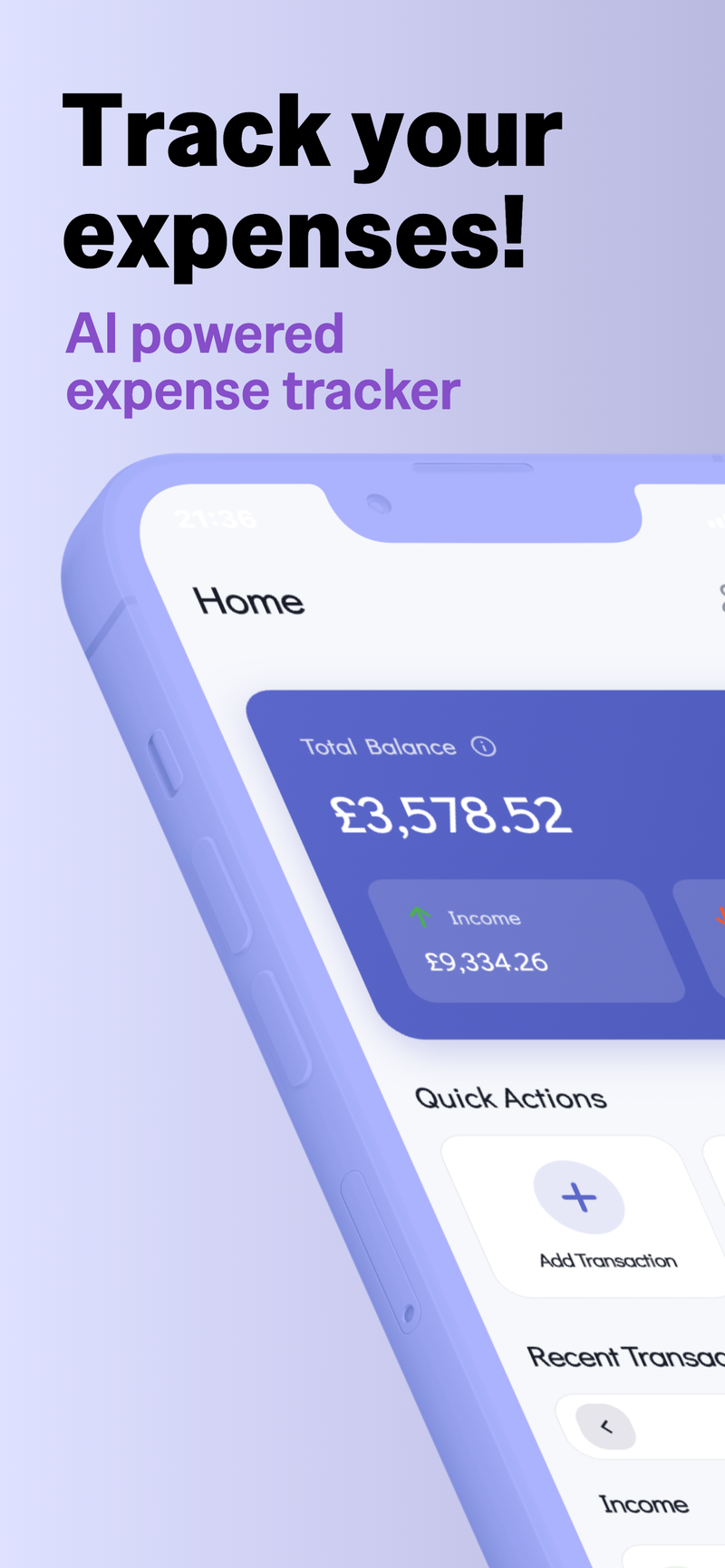
    If you want a practical, steady framework to implement these steps with less friction, consider adopting a private, on-device budgeting approach that keeps your data secure while you plan and track your money. Fokus Budget focuses on privacy and ease of use, helping you organize multiple profiles, manage currencies, and keep sensitive data on your device as you apply the steps above. By integrating a privacy-first tool into your routine, you can reinforce discipline and visibility without compromising peace of mind.
    Fokus Budget icon

    Fokus Budget

    AI-powered expense tracking

    Free • In-App Purchases
    GET
    Dashboard
    Analytics
    Transactions
    Categories
    Reports
    AI Receipt ScanningMulti-CurrencyBank ImportPrivacy-First

    Privacy-focused on-device data storage

    Related Articles

    Fokus Budget

    AI-powered expense tracking