Introduction
If you’ve ever felt like your paycheck vanishes before you can use it for what matters, you’re not imagining things. Small, everyday purchases—subscription renewals, impulse snacks, or energy waste—add up and quietly drain your budget. In fact, many households leak money through recurring charges and easily overlooked costs. A straightforward, structured approach can reveal these leaks and put you back in control.
This guide walks you through a four-week family budget audit. It’s practical, repeatable, and designed for real life: busy schedules, multiple people, and varying income streams. The goal isn’t deprivation—it’s clarity, smarter choices, and a plan you can actually stick to.
Main Content
Week 1 — Build Your Baseline
Set a tracking method you’ll actually use (a simple spreadsheet, a notebook, or a budgeting habit in a secure app). The key is consistency, not complexity.Track every expense for the week. Include the obvious (groceries, rent, utilities) and the small stuff (coffee runs, vending machine snacks, occasional online impulse purchases).Categorize expenses into needs, wants, and savings/debt payments. A quick rule of thumb: needs cover housing, utilities, food, transport; wants are discretionary; savings/debt are your future targets.Identify your top three spending categories this week. If food, transport, and subscriptions top the list, you’ve found your focus for the next steps.Do a quick baseline calculation: estimate your monthly needs, wants, and savings based on this week’s data. This gives you a concrete starting point instead of a vague feeling of “too much is going out.”Tip: If your household has multiple earners or a mix of bills, consider a simple “shared pot” approach for the basics, and reserve separate tracking for personal expenses. Clear labeling prevents future confusion.
Week 2 — Cut Recurring Costs
List every monthly or quarterly recurring charge: streaming services, gym memberships, software licenses, insurance riders, and airline or transit passes.For each item, ask: Do we use it enough to justify the cost? Is there a cheaper plan or a better alternative?Cancel or pause unused services. For essential subscriptions, renegotiate or switch to a lower tier where possible.Review bills for bundled services. A typical savings target is 5–15% on recurring expenses when you consolidate or switch plans.Set a 15-minute daily bill-check window to catch new charges before they lock in. Early action prevents “set it and forget it” leaks.Realistic example: a family with three streaming services ($12–15 each) and two music apps ($9–15 each) could save 20–40% by consolidating or downgrading, freeing roughly $20–$60 per month—even more if annual commitments are optimized.
Week 3 — Tame Variable Spending
Groceries and meals: create a simple weekly meal plan and shopping list. Compare unit prices, buy in-season produce, and use bulk where it makes sense for your household size.Dining out and takeaway: set a monthly limit and build a plan to meet it with cheaper home alternatives on busy days.Transportation: if possible, combine trips, carpool, or adjust commuting days to save fuel and maintenance costs.Impulse controls: implement a 24-hour rule for nonessential purchases. If you still want it tomorrow, reassess with a clearer mind.Use a “category cap” for discretionary spending (e.g., $X per week for entertainment or snacks). If you’re under budget in one week, roll the surplus into savings.Practical tip: a simple price comparison habit can cut grocery costs by 5–10% over a month. Small substitutions—store brands, local markets, or discount chains—add up fast.
Week 4 — Sustain and Grow Your Habits
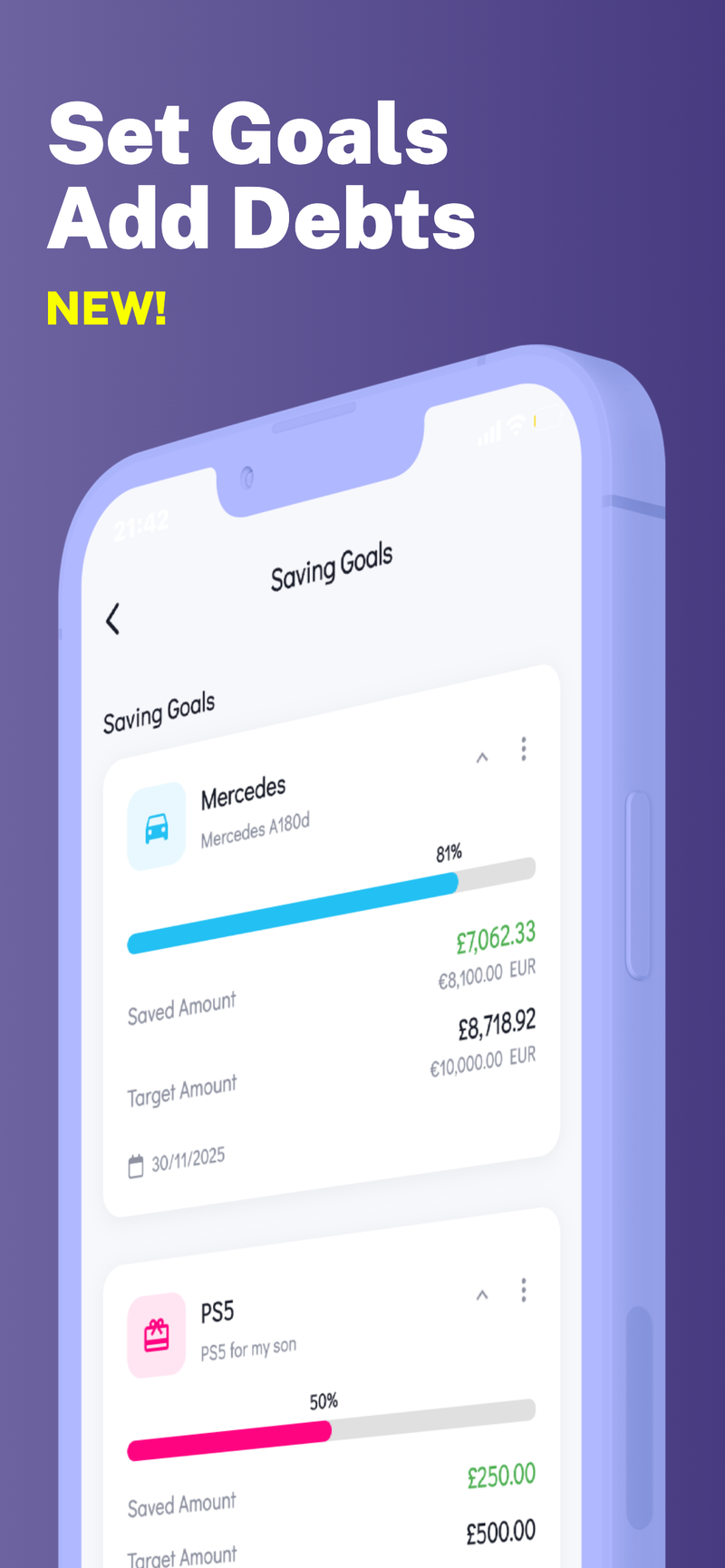
Create a sustainable monthly budget anchored by needs, wants, and savings. A common starting point is the 50/30/20 framework (50% needs, 30% wants, 20% savings), but adapt it to your reality if you’re saving aggressively or have larger needs.Set explicit savings goals (emergency fund, vacation, education, debt payoff). Attach automatic transfers or simple reminders to keep progress visible.Build ongoing habits: a weekly budget check-in, a monthly subscription audit, and a yearly price-recheck for big expenses (insurance, utilities, property taxes).Use a “spend plan” at the start of each week: list essential spends, cap discretionary spends, and log every expense as you go.Data point to guide your goals: many households misallocate 5–15% of income to small, recurring leaks. By targeting these leaks with steady habits, you can redirect that money toward savings or debt reduction while maintaining your quality of life.
Practical templates and ideas
A simple weekly log format: date, category, amount, notes (what it was for).A monthly grid with rows for needs, wants, and savings, and columns for each week. Update as you go to see how the month adds up.A subscription inventory: name, monthly cost, renewal date, last used date. Cancel or downgrade anything dormant for 3 months.Conclusion
By spending four weeks tracking, reviewing, and adjusting, you illuminate where your money is really going and where it’s slipping away. The goal isn’t perfection but awareness and control. With a simple system, you can reduce waste, fund what matters, and build a foundation for financial resilience.
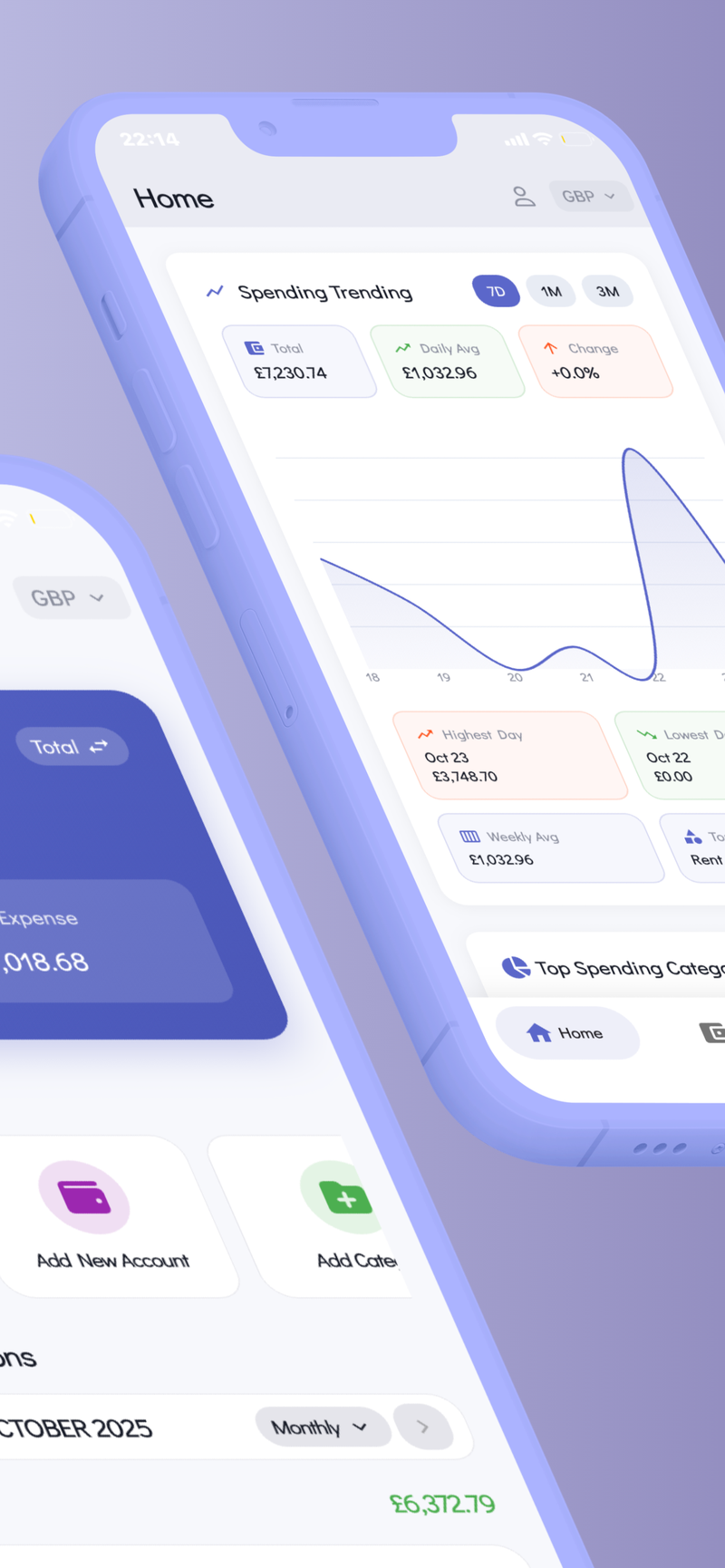
If you’re looking for a structured, privacy‑minded way to support this process, a tool designed for families can help you stay organized and focused. For example, features that keep track of multiple profiles can help separate personal, family, and shared finances without losing sight of the whole picture. And because your data stays on your device, you maintain control and privacy while you audit, adjust, and grow your budget.
Promoted feature: Multi-Profile Support.