
Stop Impulse Buying: 6 Simple Budget Tricks to Save Monthly
Struggling with impulse buys that derail your budget? This guide offers six practical, no-nonsense tricks to curb spontaneous spending and grow monthly savings. Learn actionable steps you can start today, with proven habits that align spending with your goals.
Introduction
Ever walk out of a store with a bag you didn’t plan to buy? Or scroll online and suddenly find yourself clicking “add to cart” for something you don’t truly need? Impulse buying is a common budgeting enemy. Small, quick buys add up over a month, eroding savings and nudging you away from financial goals. The good news: with a few practical shifts, you can curb those urges and leave your budget intact when the month ends.
Think of this as a toolbox for smarter spending rather than a list of restrictions. It’s about creating habits that make it easier to say yes to your real priorities and no to conveniences that feel tempting in the moment.
Six practical tricks to stop impulse buying
Trick 1: Implement a cooling-off period for non-essentials
When you spot something you want but don’t need, pause. A simple rule can make a big difference:
This delay helps you separate urge from need and often reveals that the item wasn’t essential after all. If you still want it after the waiting period, you’ve given yourself a chance to reassess your priorities.
Trick 2: Create a visible budget constraint specifically for impulse buys
Give yourself a designated space in your monthly budget for spontaneous purchases. A practical approach:
When the envelope is empty, you’ve used your impulse fund for the month. This makes impulse spending a conscious choice, not an unconstrained habit.
Trick 3: Shop with a purpose and reduce exposure to temptations
Impulse buying often happens because shopping becomes a habit or a game of chance. Make shopping intentional:
With a clear plan, you reduce the lure of “one more great deal” and stay aligned with actual needs.
Trick 4: Pay with cash or a single, controlled payment method
Carrying cash or using a single, low-limit payment method can curb spontaneous purchases:
This physical or defined digital boundary helps you feel the cost as you spend, which often reduces the impulse to buy.
Trick 5: Sleep on big-ticket decisions and track price history
For expensive items, give yourself time and leverage data:
A cooling-off period prevents regret purchases and helps you buy only when the item remains a real priority after a day or two.
Trick 6: Tie spending to your goals and review regularly
A strong anchor against impulse is a clear, motivating goal:
When your spending reinforces what matters most, impulse buys lose their appeal and your budget gains clarity.
Practical steps to start today
Real, sustainable change comes from repeating small decisions that align with your long-term aims.
Conclusion
Curbing impulse buying isn’t about denying yourself; it’s about structuring your money so you can grow savings and live within your means. Start with a simple cooling-off rule, create a modest impulse fund, and shop with a tight plan. Over time, these habits compound into meaningful monthly savings and more financial freedom.
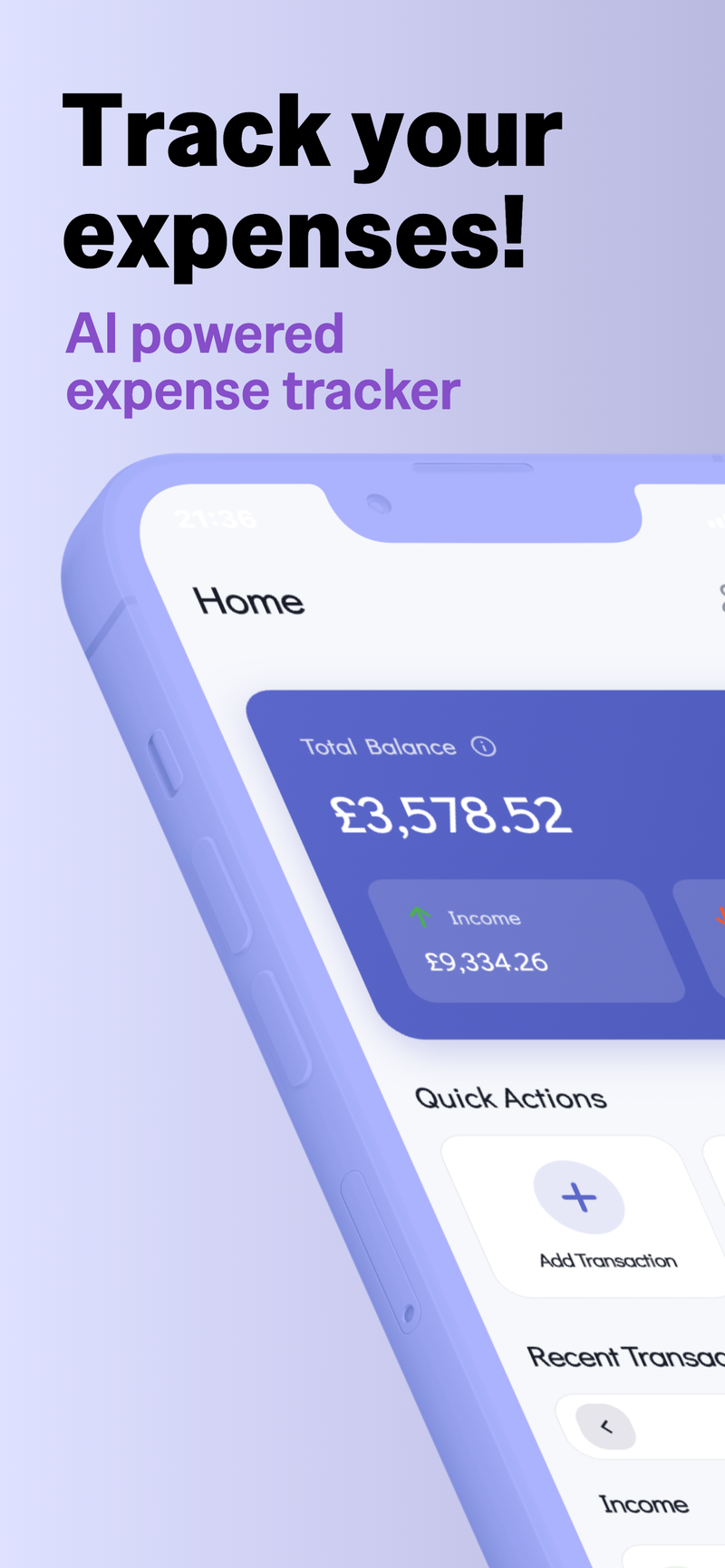
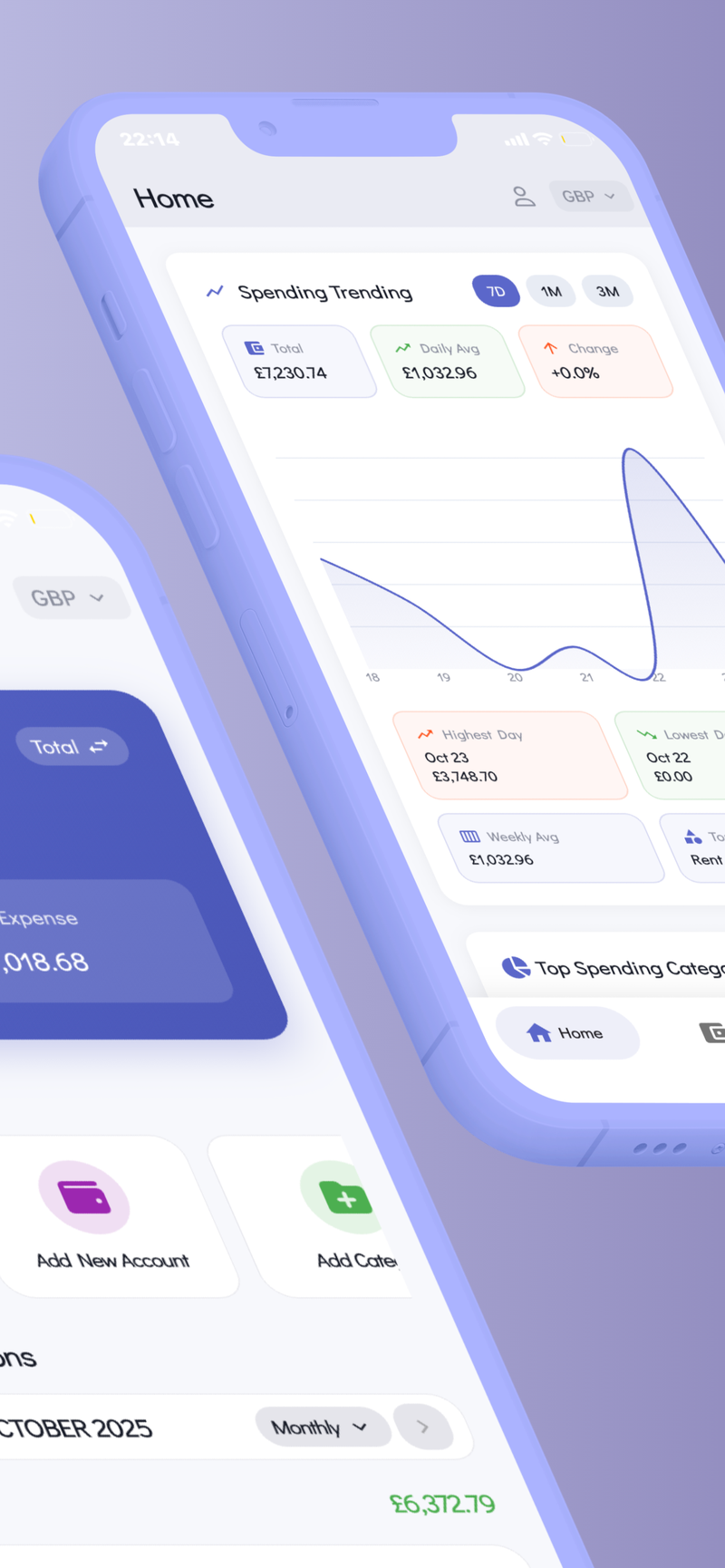
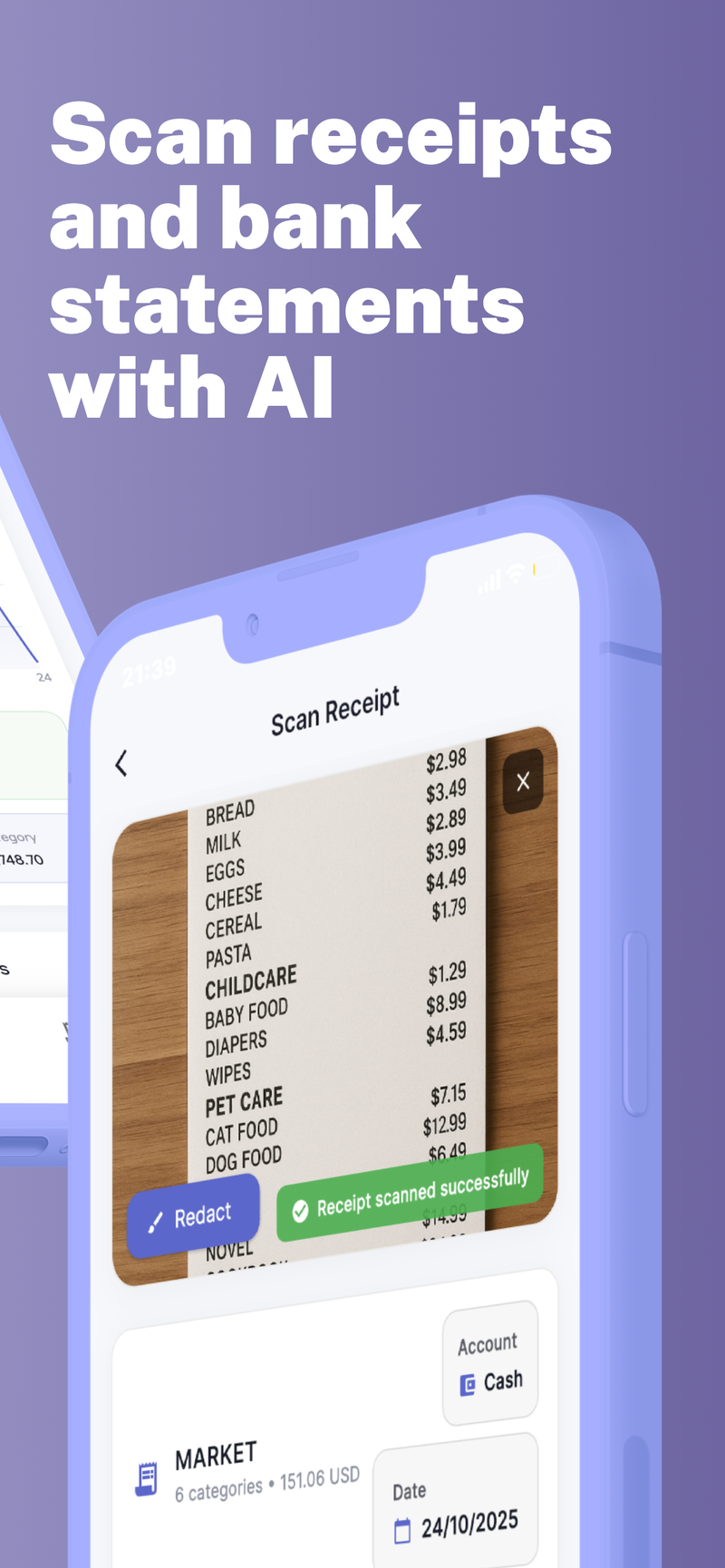
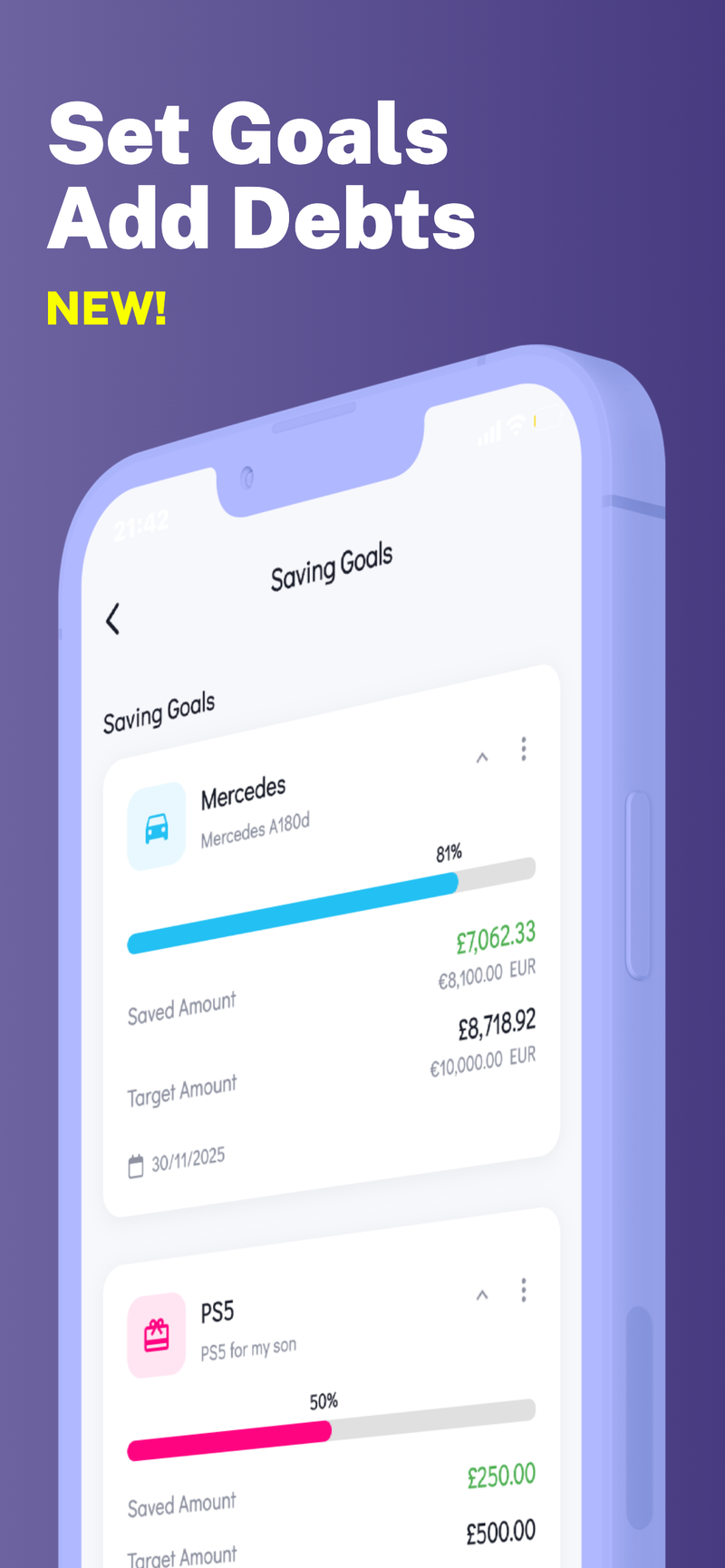
If you’re looking for a private, on-device tool to help you apply these strategies consistently, Fokus Budget can help. It supports you without exposing your data, and its multi-profile setup lets you tailor budgets for family, personal, or business needs—keeping impulse spending in check while you chase your real goals.

✨ Multi-Profile Support