Introduction
Are you juggling bills, groceries, and activities while feeling like the budget is always borderline? You’re not alone. Many families notice that small leaks—impulse buys, unused subscriptions, last‑minute dining out—add up fast. The good news is you can build simple, sustainable habits that shrink waste without turning budgeting into a full-time job. The goal is consistency, not perfection.
Main Budget Habits
Establishing clear, repeatable practices helps you control spending without arguments or burnout. Here are practical, family-friendly habits you can start today.
1) Adopt a family budgeting framework
Choose a simple rule you can repeat: a version of the 50/30/20 idea works well for many households (needs, wants, savings).Define clear categories for your household: needs (rent, utilities, groceries, transportation), wants (dining out, entertainment), and savings/debt payoff.Set monthly targets for each category and review them together as a family.Keep flexibility for special occasions, but aim to reset at the start of each month.2) Track expenses like a detective (for 30 days)
Start a 30‑day tracking sprint: jot every purchase, no matter how small.Use a simple system: a shared notebook, a spreadsheet, or a budgeting app set to manual entry.At week’s end, categorize each expense and look for leaks (small subscriptions you forgot, duplicate charges, impulse buys).Identify one wasted-dollar leak to seal each week.3) Create a zero-based budget at least once a month
Give every dollar a job: income minus expenses equals zero.List fixed costs first (rent, utilities, car payments) and then allocate amounts for food, transport, and household needs.Prioritize savings every month—an emergency fund or debt payoff can be a line item like any other expense.If a category has money left over, move it to savings or a debt payoff pool rather than letting it linger.4) Trim recurring costs without sacrificing basics
Audit subscriptions: cancel unused services and negotiate better rates on essential ones.Revisit phone plans and internet bundles; compare with lower-cost alternatives or family-friendly plans.Review insurance and annual memberships to avoid renewal traps.Reduce energy waste: dim lights, unplug idle electronics, switch to LED bulbs, and set sensible thermostat targets.5) Plan meals and groceries to reduce waste
Plan weekly menus around staples you already have and sale items.Create a precise shopping list from the plan—stick to it, and avoid impulse buys.Batch cook and repurpose leftovers into new meals to stretch ingredients further.Use a “use-it-or-freeze-it” rule for perishables to minimize waste.6) Create smart shopping guardrails
The 24‑hour rule: if you crave a non‑essential item, wait a day before buying.Shop with a list and price-check items as you go; compare store brands for quality at lower costs.Consider bulk buying for non-perishables and plan for consistent consumption to avoid waste.Use cash or a controlled card approach for discretionary spending to see the real impact of every purchase.7) Involve kids and teach intention, not shame
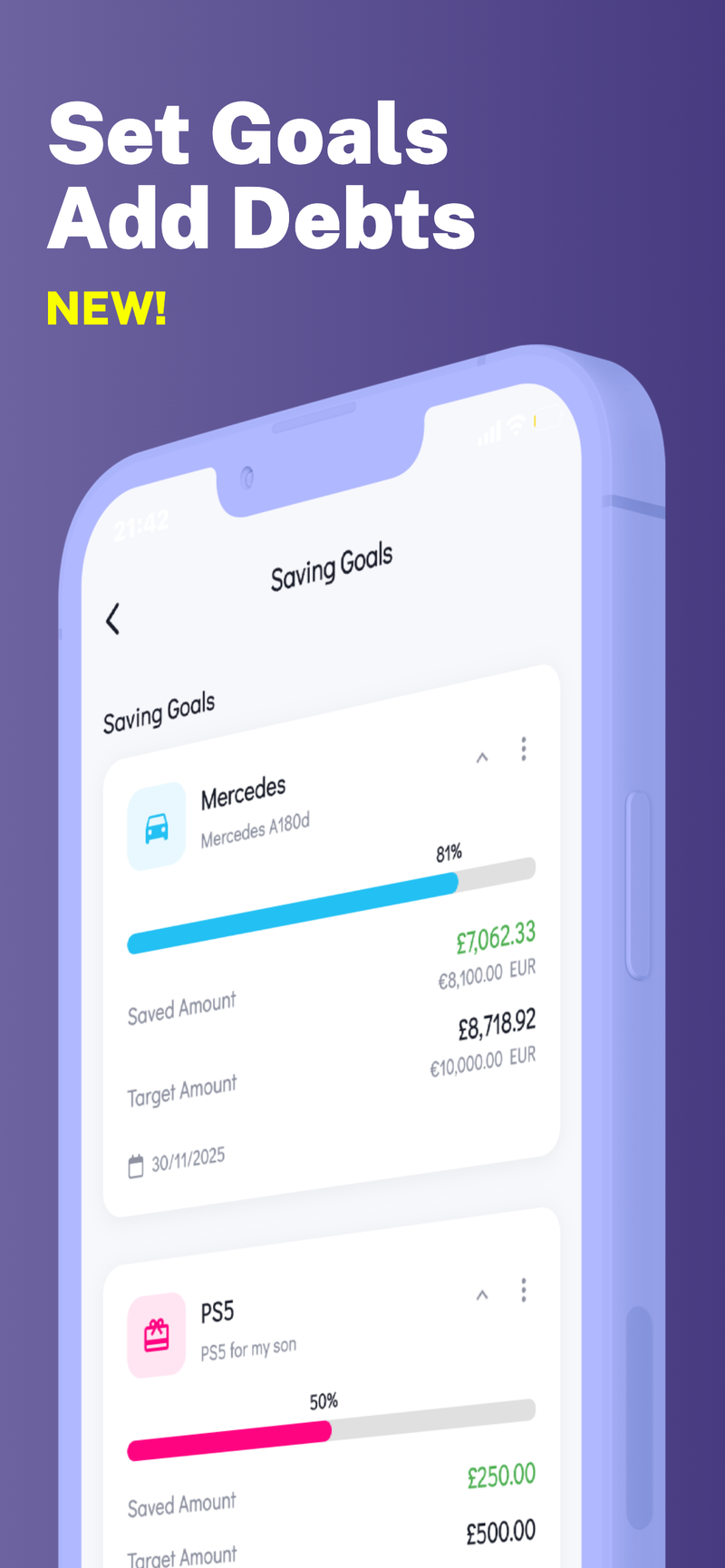
Give age-appropriate roles: younger kids track allowances or penny jars; teens manage a small budget for snacks.Set a family savings goal (a trip, a toy, a shared experience) and celebrate progress.Use budgeting conversations as learning moments about delayed gratification and planning.8) Build a simple emergency fund and a review ritual
Start small: aim for at least a one‑month cushion, then grow gradually.Schedule a weekly 15‑ to 30‑minute family budget check‑in to celebrate wins and adjust plans.Keep the process collaborative: focus on solutions, not blame, and evolve your plan with changing needs.9) Use automation thoughtfully
Set up automatic transfers to savings and debt payoff to prevent backsliding.Use reminders for bill due dates and budget reviews so you stay on track without micromanaging every dollar.Consider a simple, privacy-respecting tool to keep everything organized without overwhelming you with features you won’t use.Conclusion
Small, repeatable habits beat heroic, one‑time efforts every time. Start with a straightforward framework, track what actually moves your budget, and involve the whole family in the process. By planning meals, trimming recurring costs, and establishing a weekly budget rhythm, you can reduce overspending and build financial momentum that lasts.
If you’re looking for a private budgeting approach that keeps your data on your device and lets you manage multiple perspectives (like personal and family budgets) without chaos, there are thoughtful tools designed to help. A privacy‑first budgeting solution can support your goals with features that align with real‑life family needs, without turning money into a source of conflict or distraction.
Focusing on disciplined habits—plus a tool that respects your privacy and family structure—can make a meaningful difference over a few months. When you’re ready, explore options that emphasize on‑device data storage for peace of mind and include multi‑profile support to keep personal, family, and shared budgets clearly separated yet synchronized.
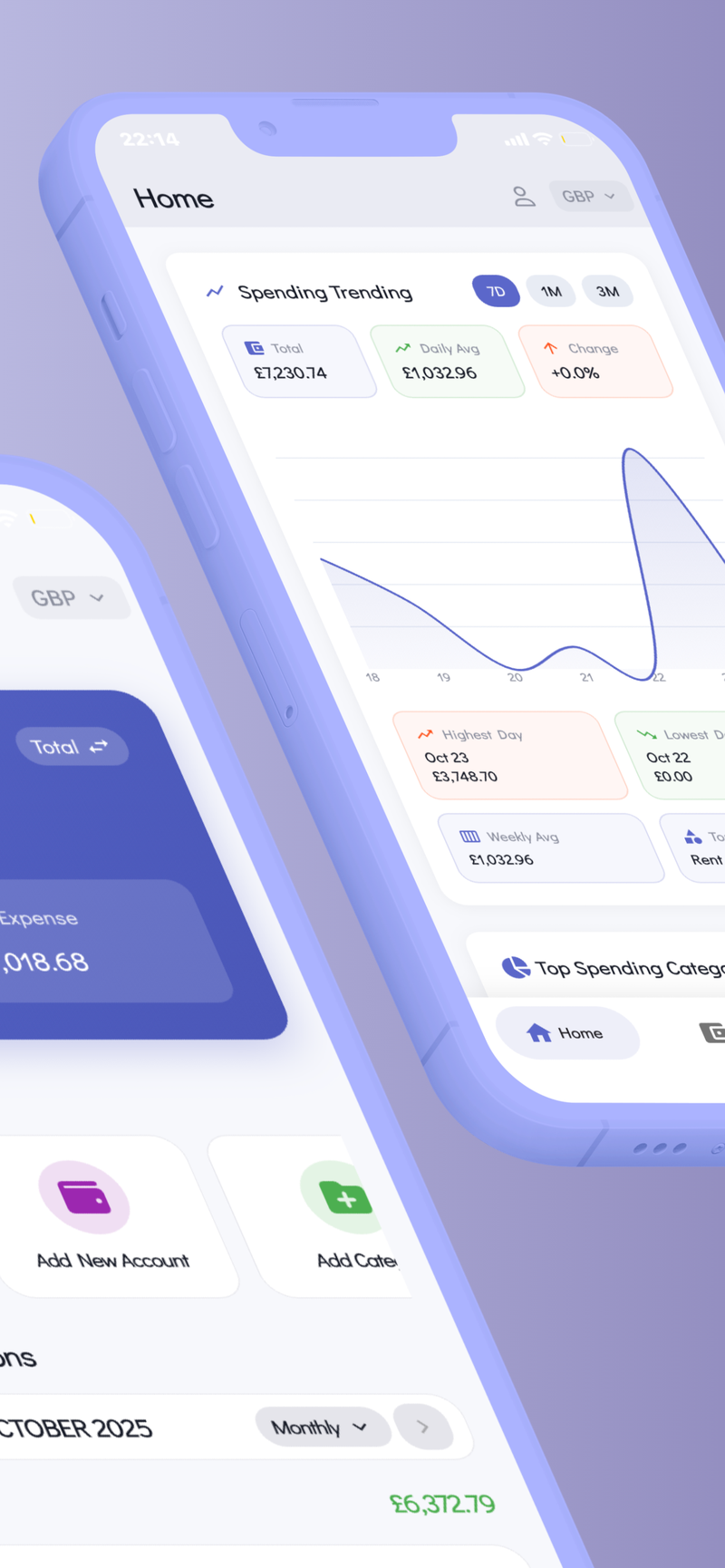
Fokus Budget can help with this, offering a privacy‑focused approach to personal finance management and the ability to track multiple profiles in one place. It’s a practical companion for families looking to implement these habits with confidence.