Stress-Reducing Night Routine for Quitting Smoking
Evening cravings can derail quit attempts. This practical guide outlines a stress-reducing night routine to curb cravings, improve sleep, and build lasting habits for quitting smoking or vaping.
INTRODUCTION
Have you noticed cravings spike in the evening just when you’re trying to wind down? When the day ends, stress, habit cues, and boredom can all roll into a single, stubborn urge to smoke or vape. The good news is you can design a simple, repeatable night routine that lowers stress, quiets cravings, and primes your body for sleep. A calm, predictable evening helps your brain learn a new association between night time and rest—not smoke or vape. This article lays out practical steps you can start tonight.
MAIN CONTENT
H2 Build a calm wind-down window
Cravings are strongest when your mind and body lack structure. Create a 60–90 minute wind-down window each night.
H3 Create a sensory ritual
A sensory ritual signals the brain that the day is ending and sleep is near. Try a combination like:
H3 Breath, body, and urge management
Breathing exercises strengthen parasympathetic responses, which calm the nervous system and blunt cravings.
H3 Substitutes that honor the craving without smoking
Evening cravings thrive on routine cues. Use satisfying substitutes to break the link between cue and action:
H3 Sleep-friendly environment and habits
Quality sleep makes cravings weaker and mood steadier the next day. Optimize your bedroom:
H3 Planning for triggers and slips
Anticipation reduces panic when cravings hit.
H3 Short, actionable nightly steps you can take tonight
1) Set a 9:00 PM start: dim lights and put away screens.
2) Take a 10-minute warm shower or bath.
3) Do 5 minutes of slow breath work (4-7-8 or box breathing).
4) Write one line about what went well today and one cue that might trigger cravings tomorrow.
5) Sip a calming, caffeine-free tea and practice a 5-minute body scan.
6) Turn off major electronics and aim for lights out within 30 minutes of starting the routine.
CONCLUSION
A steady, stress-reducing night routine can change how your body and brain respond to cravings. By setting a predictable wind-down, engaging the senses, practicing intentional breathing, and optimizing sleep, you create daytime resilience that supports your quitting goals.
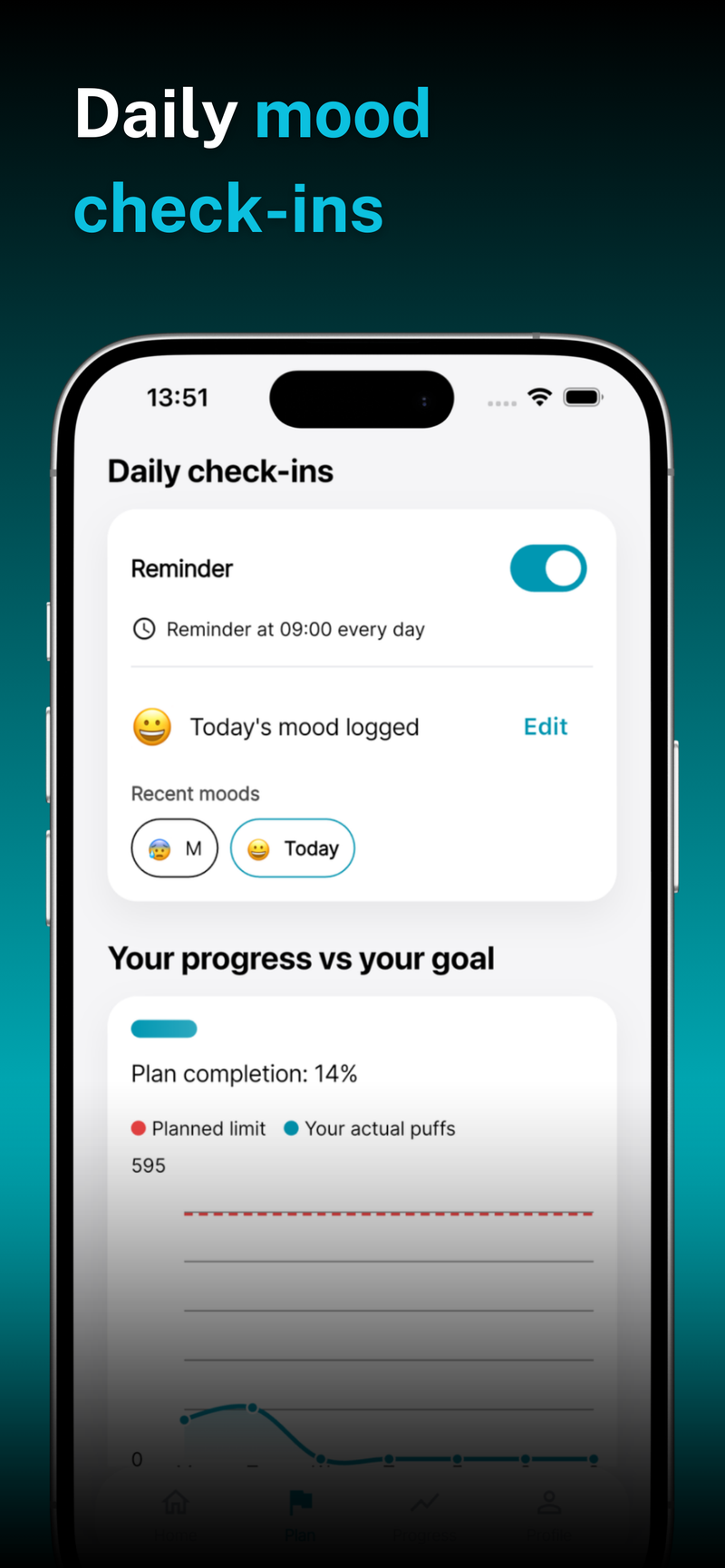
If you’d like a structured path to help you tailor these steps, understand your specific triggers, and track your progress, consider a guided program that offers onboarding and personal setup to customize your quit plan. A well-designed onboarding flow can help you select your product type, define your goals, set a target timeline, and build a personalized plan that suits your routine. In this context, tools with an emphasis on onboarding and personal setup can be a practical ally as you work toward reducing or quitting smoking and vaping. Remember: small, consistent steps at night can lead to big changes over time.



💪 Onboarding & Personal Setup