Surviving the First Week of Nicotine Withdrawal: A Practical Guide
Quitting nicotine is a bold decision, and the first week is often the toughest. If you’re wondering how to get through the next seven days without the familiar pull of cigarettes or vapes, you’re not alone. This guide lays out real, actionable steps to reduce cravings, manage symptoms, and build momentum that lasts well beyond the first week.
What to expect in the first week
Withdrawal timelines vary, but there are common patterns you can prepare for:
Cravings tend to peak in the first 24–72 hours. They can feel sudden and intense, but they usually ebb with time and strategy.Irritability, mood swings, and sleep disturbances are common as your body adjusts to lower nicotine levels.Fatigue and headaches can show up, especially if you relied on nicotine for quick energy or stress relief.Within the first week, small wins—like a day without smoking or vaping—reframe your mindset and build confidence.Remember: symptoms and their intensity are highly individual. The goal isn't perfection but steady progress.
Build a simple, actionable plan
A clear plan reduces decision fatigue when urges strike.
1) Pick a realistic quit or reduction target
Decide whether you want to quit completely or cut down gradually. If you choose reduction, set specific milestones (e.g., reduce by 20% this week, 40% next week).Choose a definite start date and mark it on your calendar.2) Prepare your environment
Remove obvious cues: lighters, vape pods, ashtrays, and favorite smoking spots.Stock up healthy choices: water, unsweetened tea, fruit, crunchy vegetables, and sugar-free mints.Create a “craving kit”: something to squeeze, a small ice pack, or a stress ball for when urges hit.3) Establish a daily routine that protects you from triggers
Build short bursts of movement into your day: a 10-minute walk after meals, a brief stretch when you’d normally light up.Hydration matters: aim for 8–10 cups of water a day. Thirst can masquerade as a craving.Sleep hygiene: consistent bedtimes, dark room, and a wind-down ritual help reduce irritability and fogginess.4) Master craving management (urge strategies that work)
Practice urge surfing: notice the wave of craving, ride it for 5–10 minutes, and it usually passes.Use delay techniques: when a craving hits, wait 10 minutes before acting; use this window for a quick distraction (a short walk, a breathing exercise, or a glass of water).Replace the ritual, not just the nicotine: sip tea, chew sugar-free gum, or keep a healthy snack handy.Consider nicotine replacement therapy (NRT) or other aid if appropriate, after discussing with a clinician.5) Create a support net
Tell a few trusted friends or family members about your plan and how they can help (check-ins, accountability, encouragement).Consider a support group or online forum where you can share victories and setbacks.6) Track progress and celebrate small wins
Keep a simple log: days smoke-free, cravings intensity (1–10), money saved, mood notes.Reward yourself for milestones (a movie night, a new book, a small treat not tied to nicotine or food).Coping with common withdrawal symptoms
Headaches: hydrate, limit caffeine if it makes headaches worse, and rest when needed.Fatigue: chunk tasks into shorter blocks; allow brief naps if needed, but avoid long daytime sleep that disrupts night sleep.Irritability and mood swings: practice pause-and-breathe exercises (box breathing: 4 seconds inhale, 4 hold, 6 exhale, 2 hold); reach out to a supportive person when frustration peaks.Sleep trouble: keep a consistent wind-down routine, limit screen time before bed, and use calming activities like reading or light stretching.Trigger management: anticipate the hot spots
Social situations where others smoke or vape can be tough. Plan conversations in advance or step outside for a break.Routine triggers (coffee breaks, after meals, finishing work) are common. Replace the ritual with a brief activity: a 5-minute walk, a quick puzzle, or a new hobby bite-size task.Driving or commuting can spark cravings. Keep a charged phone playlist, a favorite podcast, or a new route to break the habit of reaching for nicotine on autopilot.Stay resilient: why persistence pays off
The first week is a critical foundation. Cravings decrease in frequency and intensity as your brain begins to rebalance its chemistry.Even small successes accumulate. A day without nicotine can compound into a week, then a month, and beyond.Health benefits begin quickly: heart rate and blood pressure drop within hours, and your sense of taste and smell can sharpen within days.When to seek extra help
If cravings become overwhelming or you relapse, revisit your plan without judgment and adjust strategies.Seek professional guidance if you’re considering medications or if withdrawal symptoms feel unmanageable. A clinician can help tailor a plan to your biology and life situation.Conclusion
The first week of quitting nicotine is a turning point, not a verdict on your future. By preparing your environment, building practical routines, and deploying proven urges-management techniques, you can ride out the hardest days and set up lasting momentum. Track your progress, lean on your support network, and remember that nicotine withdrawal is temporary—even in its most intense moments.
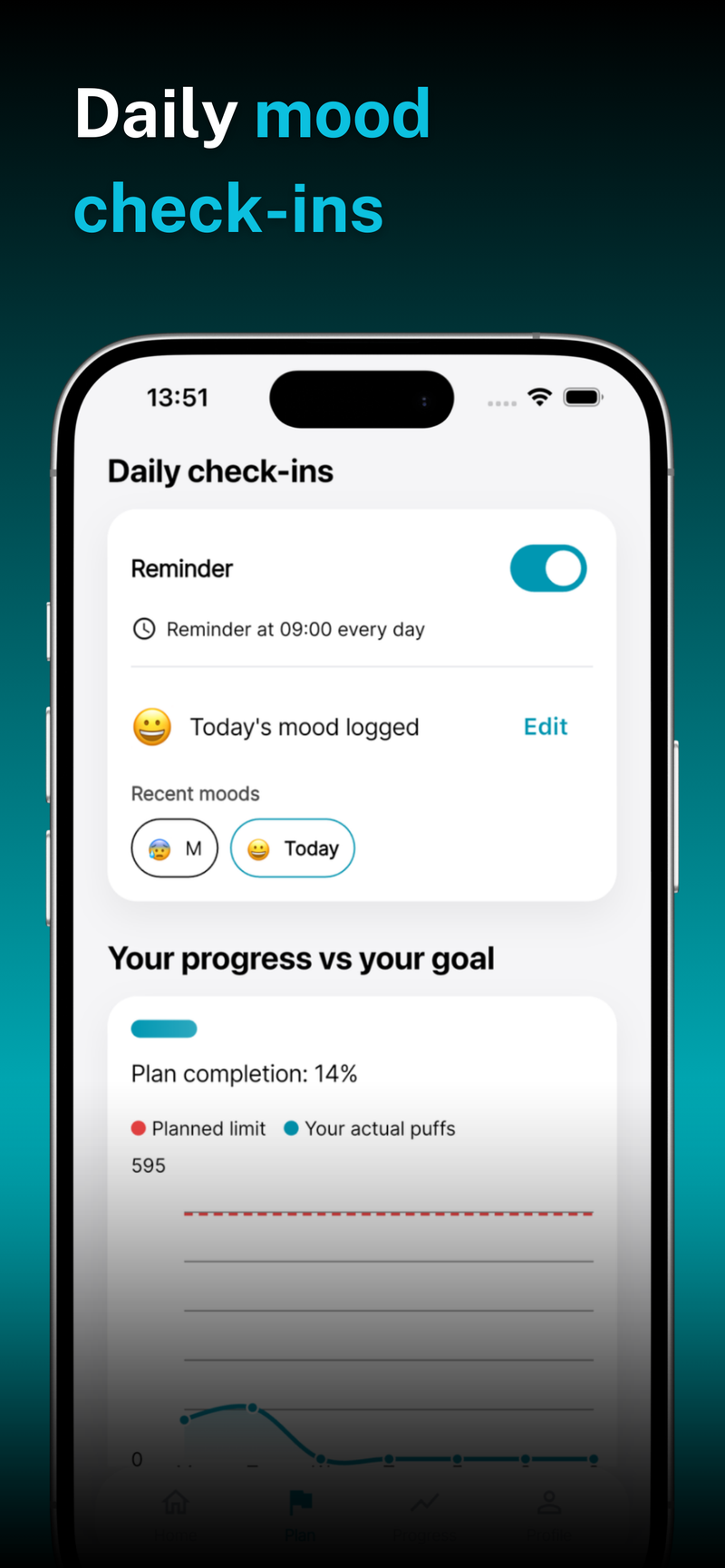
If you’re looking for a structured, personalized approach to stay on track, Quit Smoking & Vaping can help with the process. With onboarding and a personal setup that aligns your goals (quit completely or reduce gradually) with your daily routine, you’ll have a clearer path through the first week and beyond.