Fokus Budget

Fokus Budget

AI-powered expense tracking

·Budgeting

The Six-Step Plan to Build a Budget That Sticks Today

This practical six-step plan helps you build a budget that sticks, with actionable steps, real-life examples, and smart habits. Learn how to set goals, track expenses, choose a framework, plan for irregular costs, automate, and iterate for lasting success.

personal-financebudgetingfamily-financefinancial-planningbudgeting-tips

Introduction

If you’ve ever finished a budgeting session and felt optimistic—only to see that hope fade before the month ends—you’re not alone. A budget that sticks isn’t about willpower alone; it’s about habits, clarity, and a plan that fits real life. The goal is to create a framework you can actually follow, week after week, month after month.

This guide lays out a practical six-step plan you can implement today. Each step adds a layer of accountability and realism, so you don’t feel overwhelmed or deprived. By the end, you’ll have a repeatable process you can tweak as your circumstances change.

The 6-Step Plan to Build a Budget That Sticks

Step 1: Define your why and set realistic goals


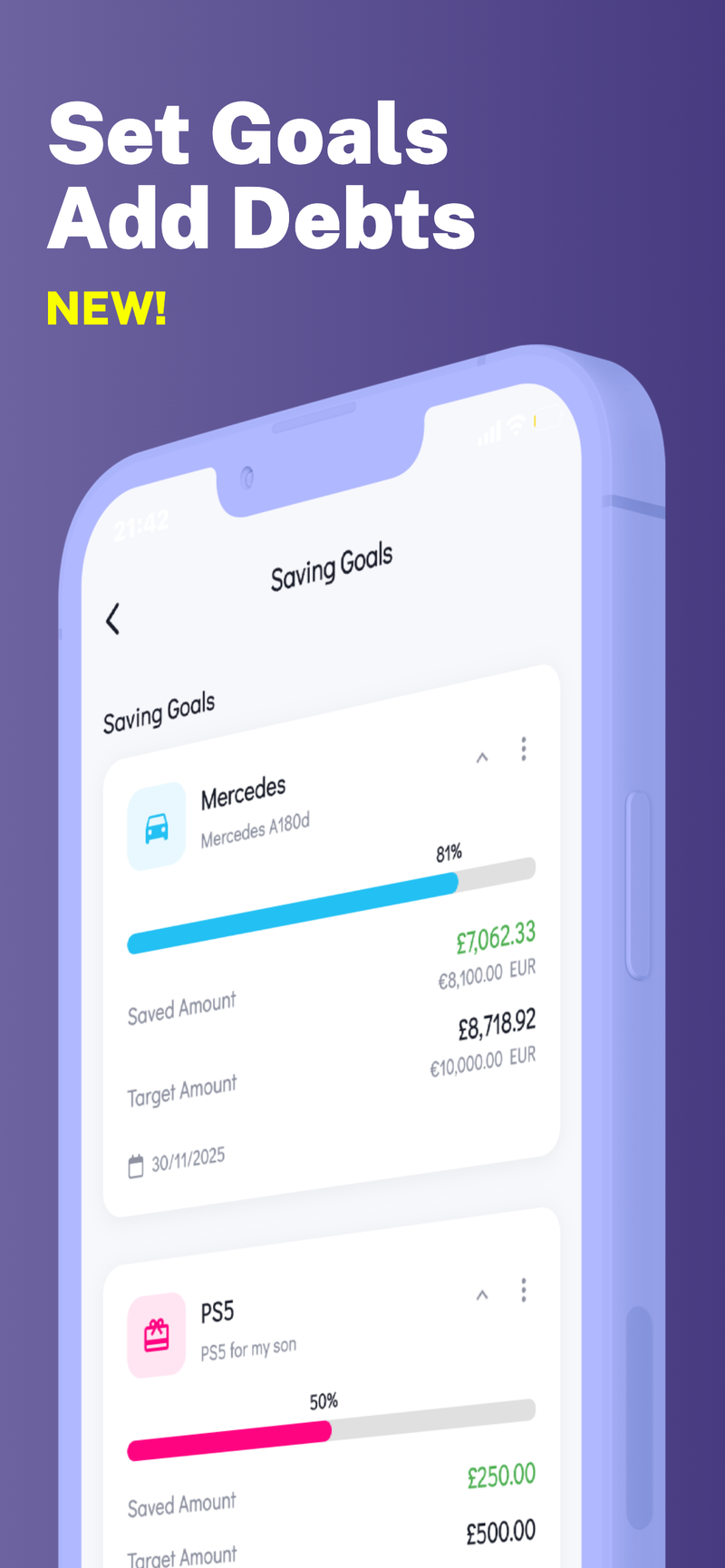
  • Start with a clear purpose: what bad habit will you break, or what goal will you achieve? Examples: “Save $100 a month for an emergency fund” or “Pay off $300 of debt in six months.”

  • Make goals SMART:Specific, Measurable, Achievable, Relevant, Time-bound.

  • Write them down and review weekly. Research suggests that writing down goals increases the likelihood of follow-through by a meaningful margin, because it creates a visible commitment.
  • Tip: If your main why isn’t motivating enough, tie it to a daily habit (e.g., “transfer $25 to savings every Friday”). Small, recurring actions are more sustainable than big, sporadic ones.

    Step 2: Gather numbers and categorize expenses


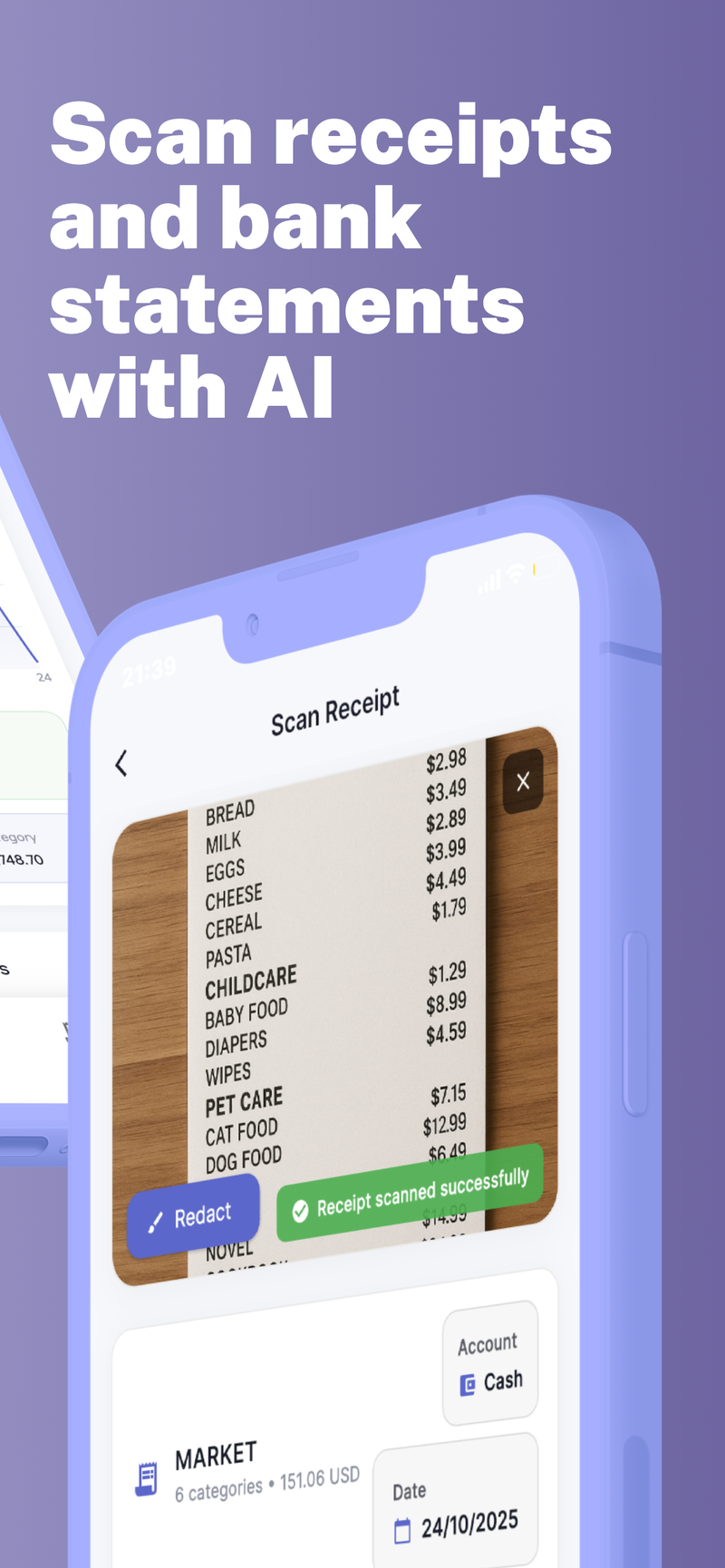
  • Track your actual spending for two to four weeks to understand where your money goes. Don’t guess—use receipts, bank statements, and digital transactions.

  • Create categories that matter to you: Needs (rent, utilities, groceries), Wants (eating out, hobbies), and Savings/Debt (emergency fund, debt payoff).

  • Consider a baseline like 50/30/20, but tailor it. If housing or debt costs are high in your area, you may shift to a stricter needs share temporarily.
  • Practical tip: Start a simple one-page budget with three columns: Income, Categories, and Actuals. Update it weekly.

    Step 3: Choose a budgeting framework that fits your life


  • Zero-based budgeting: Every dollar is assigned a job, from rent to coffee money, so income minus expenses equals zero.

  • 50/30/20 (needs/wants/savings): A lighter framework that leaves room for flexibility.

  • Envelope or sinking fund approach: For predictable irregular expenses (car maintenance, vacations, annual insurance), allocate funds in advance.
  • How to pick: If you value precision and discipline, try zero-based budgeting for a month. If you need flexibility, start with 50/30/20 and adjust as you learn.

    Step 4: Build a true-cost calendar and sinking funds


  • List all regular and irregular expenses. Include quarterly or annual bills (insurance, memberships, gifts).

  • Create sinking funds: small, periodic contributions to funds for predictable big costs so you’re never surprised.

  • Set reminders for upcoming due dates and annual payments to avoid late fees.
  • Example: If your annual insurance is $1,200, save $100 each month, so you’re not scrambling when it’s due.

    Step 5: Automate and establish simple checks


  • Automate transfers for savings and debt payments. Automating reduces the mental load and helps you stay consistent.

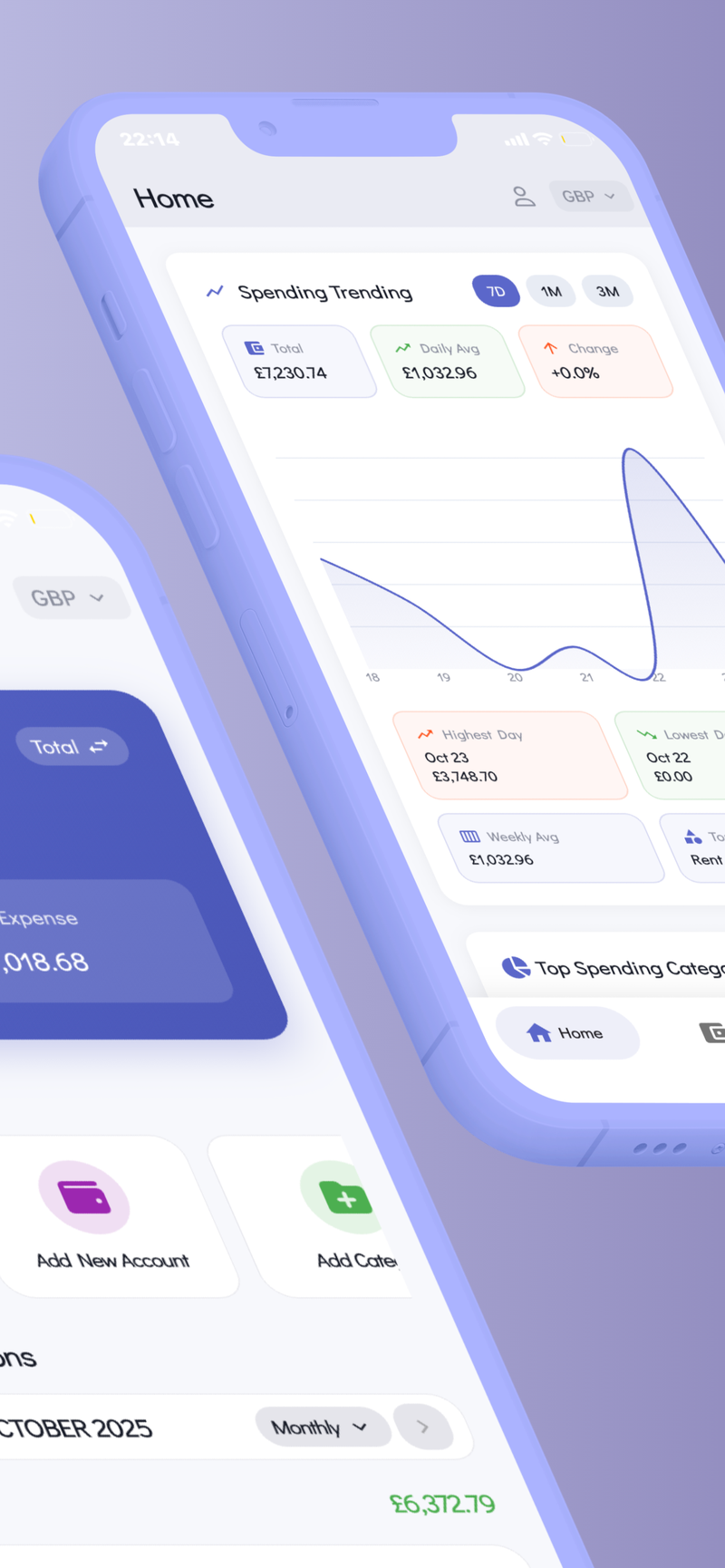
  • Schedule a weekly 15-minute budget review. During this time, compare plan vs. actual spending, adjust as needed, and celebrate small wins.

  • Use a simple alert system: if you’re nearing a category limit, get a quick nudge to reset expectations for the week.
  • Automation reduces friction, and regular reviews turn budgeting from a chore into a habit.

    Step 6: Iterate, adapt, and improve


  • Treat your budget as a living document. Life changes—new job, moved, or a new family member—require small recalibrations.

  • Track what works and what doesn’t. If you consistently overspend in one category, either raise the limit slightly (if you can) or reallocate from another area.

  • Use micro-goals to maintain momentum: a modest weekly saving target or a debt payoff mini-goal can be highly motivating.
  • Practical tip: aim for a monthly review cadence, then tighten to a biweekly check-in if you’re finding it hard to stay on track.

    Quick wins you can implement this week


  • Set one tangible goal (e.g., “Save $50 more this month”).

  • Track all discretionary spending for 7 days and categorize each item.

  • Open a sinking fund for one upcoming expense (holiday, birthday, car maintenance) and contribute £10-20 this week.

  • Pick a budgeting framework (zero-based or 50/30/20) and apply it for the next 30 days.
  • If you want, you can pair these steps with a simple tool that keeps your data private and organized—your budget should feel liberating, not invasive. Even small, consistent actions compound over time. Consider that saving $5 a day grows to about $1,825 in a year; that tiny daily shift can alter your trajectory.

    Conclusion

    A budget that sticks isn’t about deprivation; it’s about clarity, consistency, and a plan you can actually follow. Start with a clear why, track real numbers, and pick a framework you can live with. Build in regular reviews, honor irregular expenses with sinking funds, and keep iterating until it fits your life.

    If you’re looking for a tool to support this approach—one that respects privacy and helps manage multiple funds or family members without clutter—Fokus Budget can help with this. Its focus on on-device privacy and features like Multi-Profile Support make it a thoughtful option for households seeking structure without compromise.
    Fokus Budget icon

    Fokus Budget

    AI-powered expense tracking

    Free • In-App Purchases
    GET
    Dashboard
    Analytics
    Transactions
    Categories
    Reports
    AI Receipt ScanningMulti-CurrencyBank ImportPrivacy-First

    Multi-Profile Support

    Related Articles

    Fokus Budget

    AI-powered expense tracking