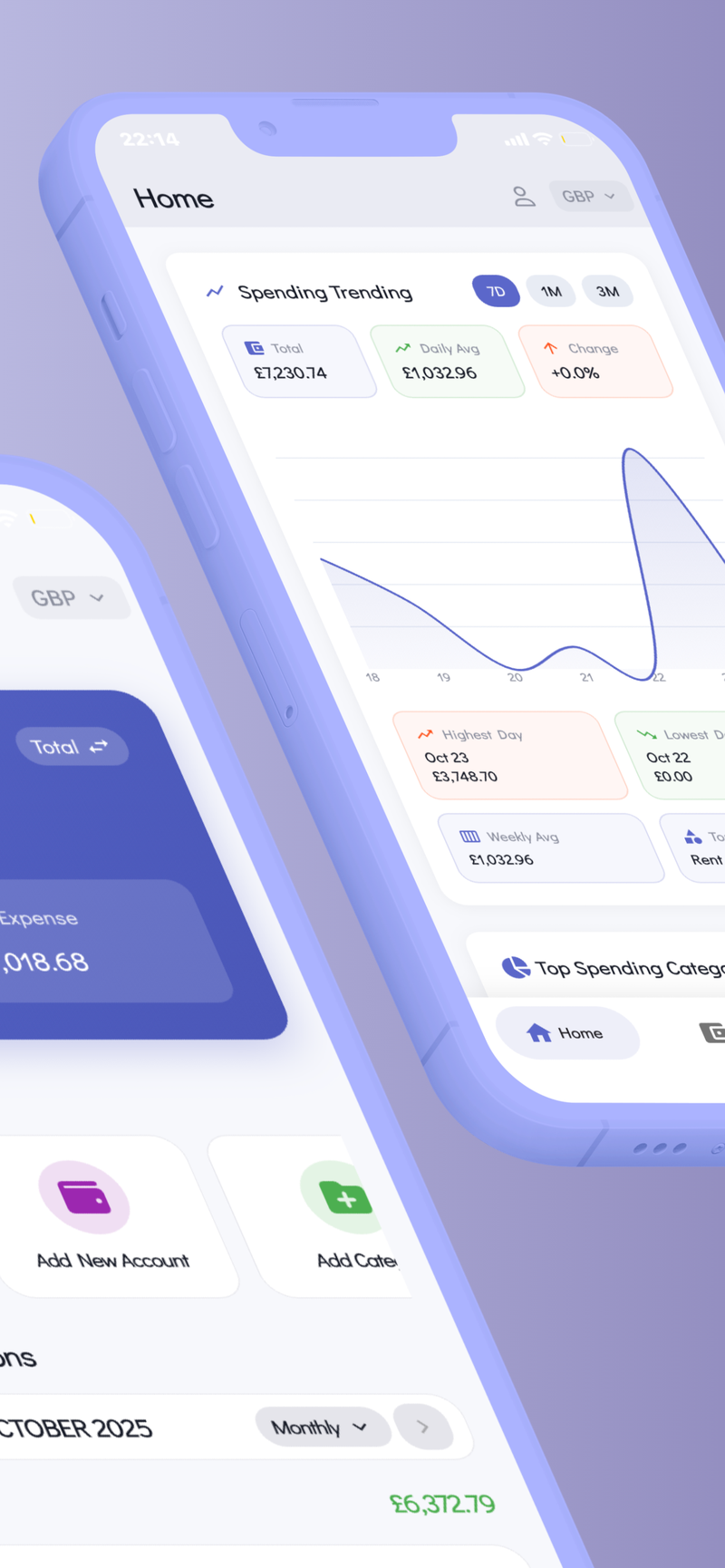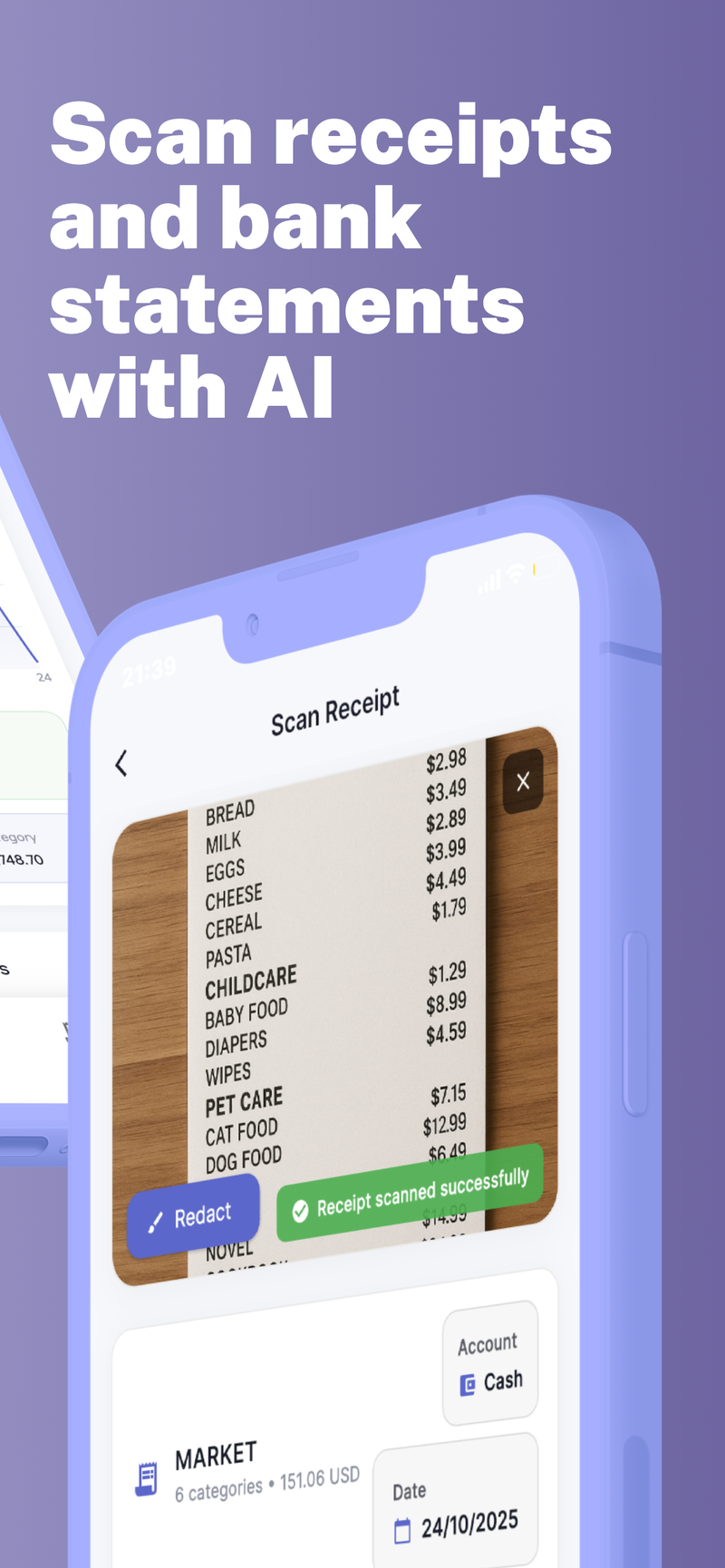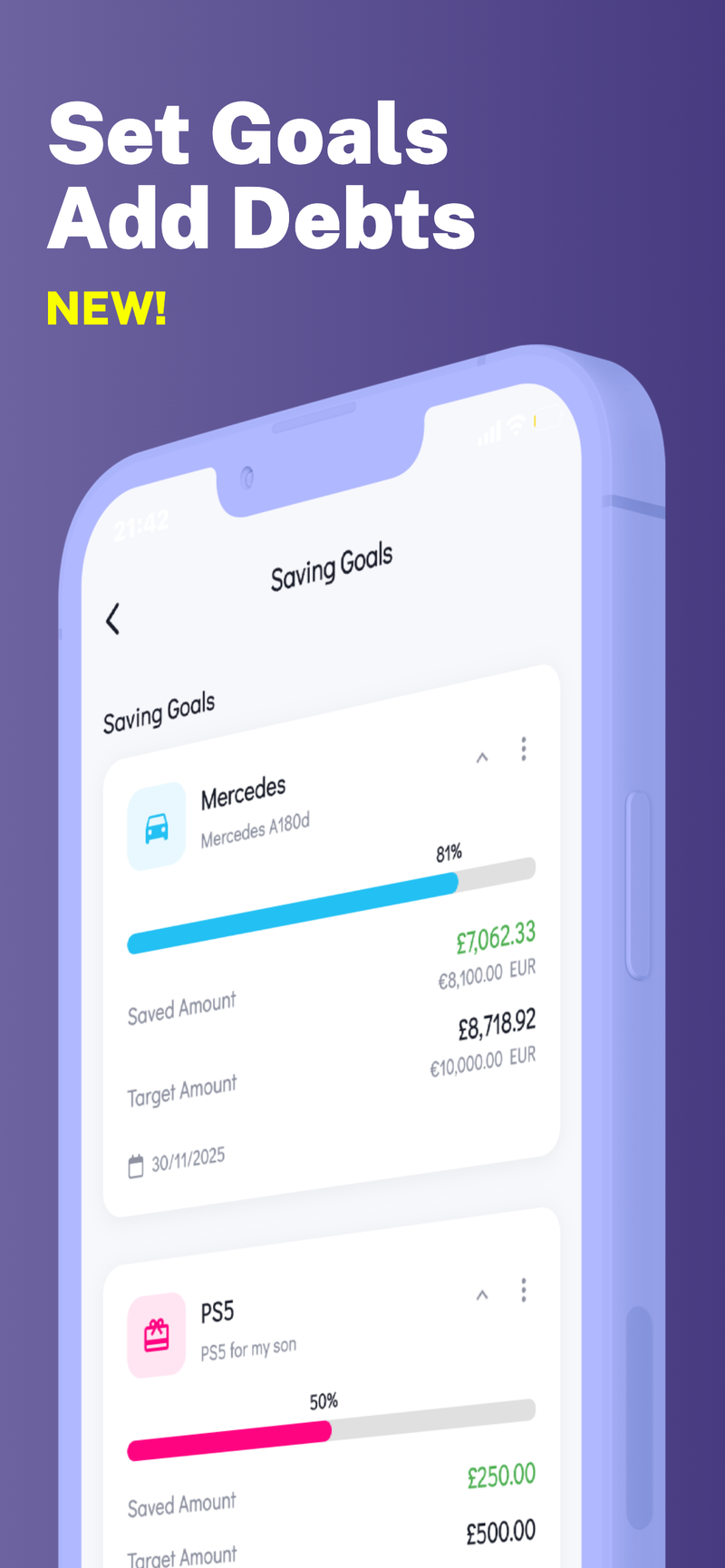
Fokus Budget

Fokus Budget

AI-powered expense tracking

·Budgeting

Track and Trim Household Expenses: 4 Easy Budget Steps

Struggling to keep track of where your money goes each month? This four-step guide helps you capture expenses, set sensible budgets, review regularly, and automate where it counts—so you can trim waste and build a sturdier financial plan.

budgetingpersonal-financeexpense-trackingmoney-managementfamily-finances

Introduction

If you’re like many households, money seems to vanish right after payday. Small, repeated purchases, subscription renewals, and spontaneous errands can add up fast, leaving you surprised at the end of the month. The good news is you can regain control with four simple steps that fit into a busy life—no gimmicks, just practical routines that build a sturdier budget over time.

Think of budgeting as a repeating loop: track what you spend, set clear limits, check in regularly, and adjust as needed. When you approach it that way, budgeting stops feeling like a punishment and starts feeling like a plan you can actually live with.

Four Easy Budget Steps

Step 1 — Gather and categorize expenses


  • Pull the last 30–60 days of statements (bank, card, and receipts). Don’t judge—just list every expense you can recall.

  • Create 6–8 broad categories that fit your life. Common ones include Housing, Utilities, Groceries, Transportation, Dining Out, Subscriptions, Health & Personal Care, and a “Flex/Other” bucket for irregular costs.

  • Distinguish essentials from discretionary spending. Essentials cover needs like housing, groceries, and transportation; discretionary covers dining out, entertainment, and impulse buys.

  • Start a simple tracking system, even if it’s a notebook or a basic spreadsheet. The goal is visibility: what actually happens vs. what you think happens.
  • Tip: Use a one-page summary each week to see where the money goes. If your budget feels overwhelming at first, start with 4–5 core categories and expand later.

    A quick data point: when households track their expenses, discretionary spending tends to be more controlled, and people report feeling more in command of their money.

    Step 2 — Set realistic budgets per category


  • Use the results from Step 1 to set initial budget targets for each category. Start with clear anchors for fixed costs (housing, utilities) and allocate the remainder to variable categories.

  • Consider a simple framework like a proportional budget or a zero-based approach. For many households, a practical starting point is to cap major categories around share of take-home pay while leaving room for savings.

  • Examples help. Suppose your take-home pay is $4,500 per month. You might set something like this (rounded for illustration):

  • Housing: $1,350 (30%)

  • Transportation: $540 (12%)

  • Groceries: $675 (15%)

  • Utilities: $225 (5%)

  • Dining Out: $360 (8%)

  • Subscriptions: $135 (3%)

  • Savings/Debt Repayment: $675 (15%)

  • Flex/Other: $540 (12%)

  • Leave a small buffer (5–10%) for months that vary, like holidays or unexpected costs. If a category runs short, reallocate from a surplus category rather than blowing past the limit.

  • Revisit budgets as your life changes (new job, move, added family members). The goal is to keep them realistic, not punitive.
  • A practical takeaway: the right budget doesn’t trap you; it clarifies where money should go and where you can adjust without guilt.

    Step 3 — Track weekly and review monthly


  • Schedule a 15-minute weekly check-in. Open your tracking sheet or app, compare actual spending to your budget, and flag overspending.

  • Look for “leaks” in discretionary areas: daily coffee shop visits, impulse online purchases, or extra subscriptions you forgot you had.

  • Use color coding or simple charts to visualize progress. A quick glance should tell you which categories are near or over budget.

  • At the end of each month, review what worked and what didn’t. If a category consistently overspends, either raise its limit slightly (if it’s essential) or cut another discretionary category to compensate.
  • Statistically speaking, regular monitoring can reduce discretionary overspending by a noticeable margin, making it easier to stay within overall targets.

    Step 4 — Automate and adjust


  • Automate what you can: automatic transfers to savings, scheduled debt payments, and bill reminders help ensure you don’t miss goals or incur penalties.

  • Set up a monthly adjustment routine. If a category regularly underspends, consider reallocating that amount to savings or a sinking fund for irregular expenses (car maintenance, gifts, vacations).

  • Conduct a quarterly “subscription audit.” Cancel or pause services you don’t use enough to justify their cost.

  • Build a small emergency fund. Even a $500–$1,000 buffer can reduce stress and prevent budget derailment when surprise expenses arise.
  • The power of automation and regular review is that small, consistent actions compound into real financial resilience over time.

    Conclusion

    Tracking and trimming expenses doesn’t have to be complicated. By gathering data, setting realistic budgets, maintaining a regular check-in routine, and leveraging automation, you can move from reactive spending to purposeful money management. The result is clearer priorities, less financial stress, and more room for the things that truly matter.

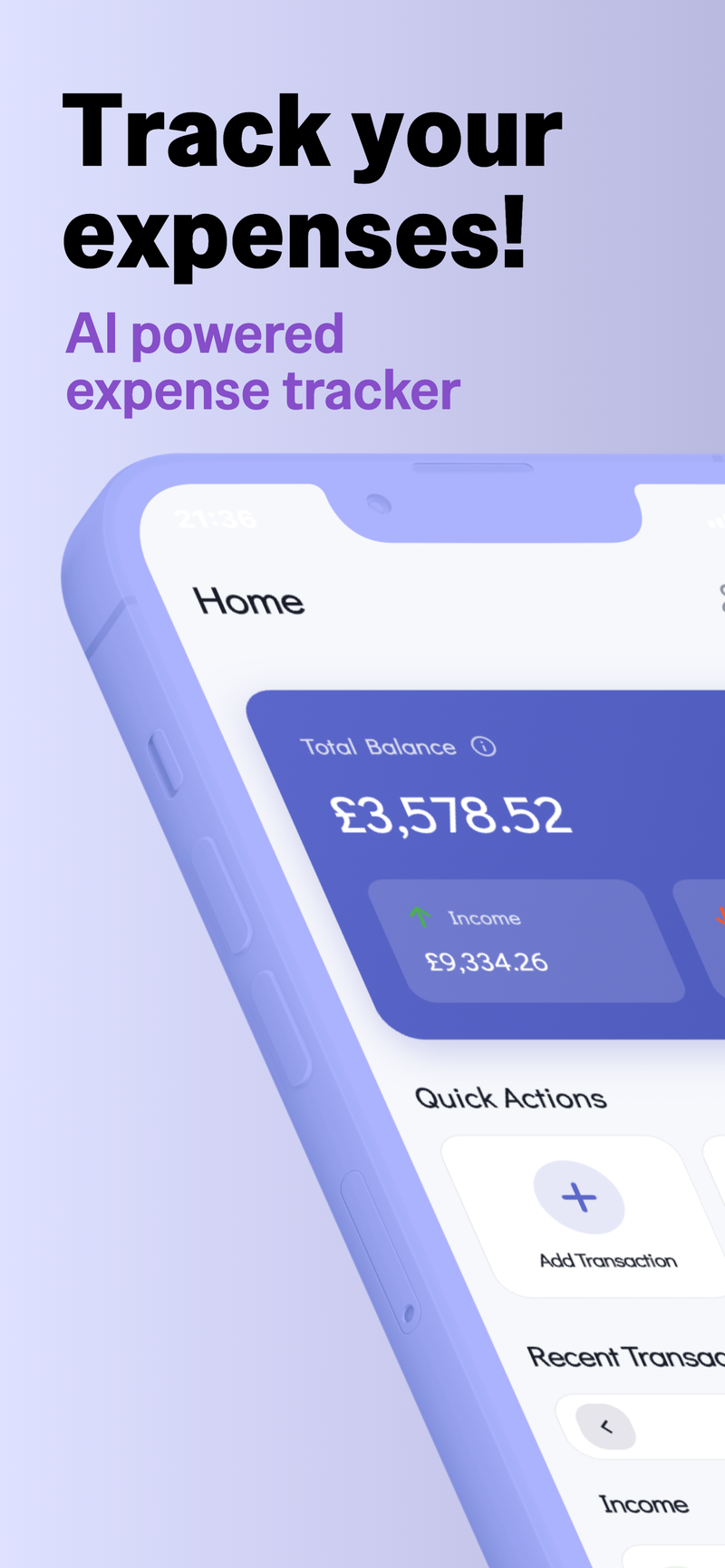
    If you’d like a practical way to apply these steps with a privacy-focused tool that keeps your data on your device and supports multiple profiles for different household members, Fokus Budget can help. It’s designed to make budgeting approachable and secure, while keeping your information private and organized.

    Promoted feature: On-device privacy with multi-profile support.
    Fokus Budget icon

    Fokus Budget

    AI-powered expense tracking

    Free • In-App Purchases
    GET
    Dashboard
    Analytics
    Transactions
    Categories
    Reports
    AI Receipt ScanningMulti-CurrencyBank ImportPrivacy-First

    On-device privacy with multi-profile support

    Related Articles

    Fokus Budget

    AI-powered expense tracking