
·Health
Turn Urges into Wins: A 14-Day Quit Mindset Roadmap
Turn urges into wins with a practical 14-day mindset roadmap. Learn daily strategies to manage cravings, build new habits, and stay motivated on your quit journey.
smoking cessationvaping cessationcraving managementmindsethabits
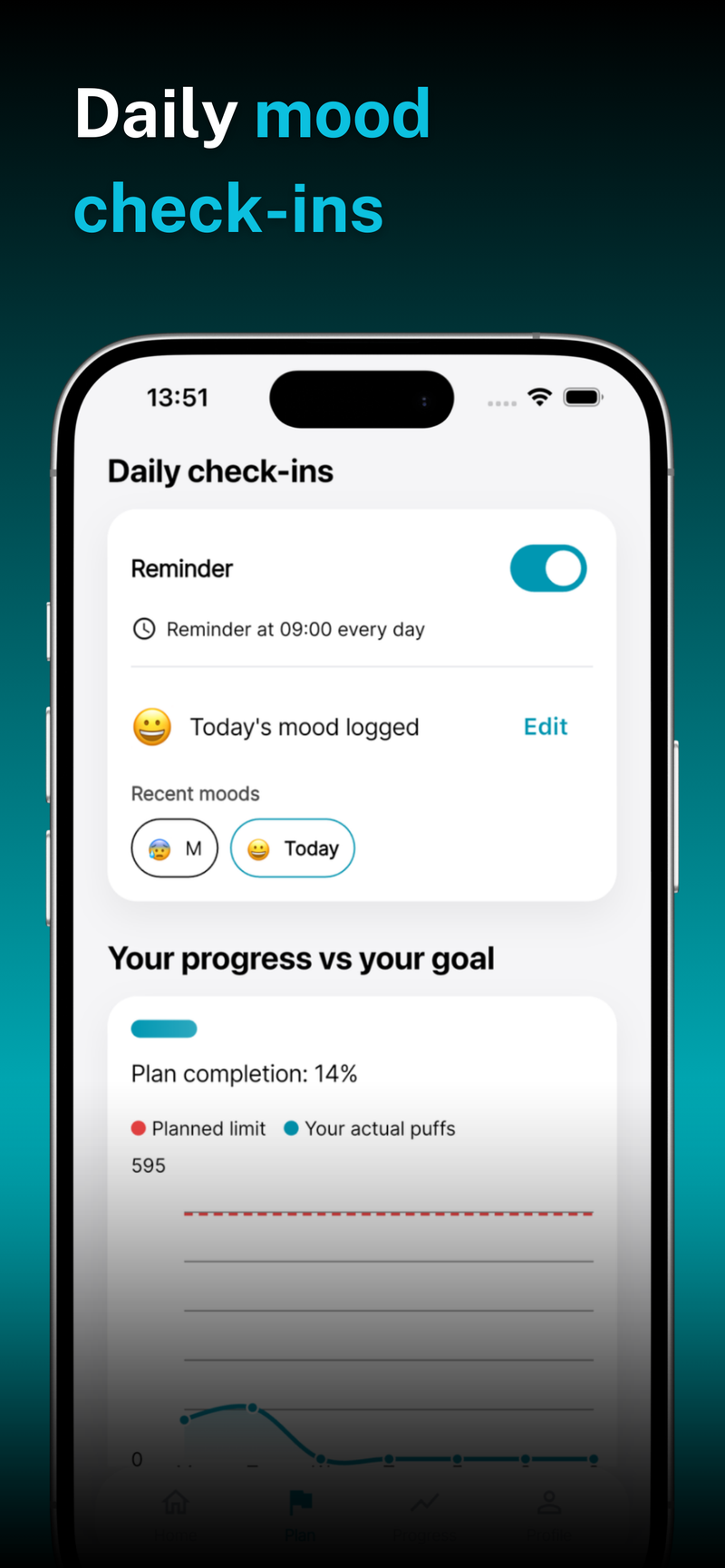
Introduction Cravings can feel endless when you’re trying to quit smoking or vaping. You might wonder if the urge will ever fade or how you’ll stay motivated long enough to reach your goal. The reality is cravings come in waves: they rise, peak, and pass—especially when you have a plan for what to do instead of giving in. This article offers a genuinely practical 14-day mindset roadmap designed to help you turn urges into wins. It’s not about sheer willpower alone but about building strategies you can rely on, day by day. In the U.S., smoking remains a leading cause of preventable death, with roughly 480,000 deaths per year linked to tobacco use. Still, millions quit every year, and most report that a clear plan, social support, and practical coping strategies made the difference. The goal here is to give you bite-sized, actionable steps you can implement immediately, plus the mindset shifts that keep you going when cravings strike. ## Main Content ### A practical 14-day mindset roadmap This roadmap is split into two phases: setting a solid foundation in days 1–7, and then building resilience in days 8–14. Each day includes a simple focus and practical tasks you can complete in 5–15 minutes. #### Phase 1: Days 1–7 — Setting the foundation - Day 1 — Decide your main goal and write it down. Do you want to quit completely or reduce gradually? Put a visible note somewhere you’ll see daily. - Action: Craft a one-sentence commitment and share it with one supportive person. - Day 2 — Identify your triggers. When do cravings most often show up (after meals, with coffee, during stress, social events)? Make a quick trigger map. - Action: Circle your top 3 triggers and plan a specific replacement for each. - Day 3 — Build a craving toolbox. Prepare fast, healthy alternatives you enjoy (water, gum, mints, a 5-minute walk, a quick stretch). - Action: Assemble or photograph your toolbox so you can grab it in the moment. - Day 4 — Create an urge response plan. When a craving hits, know exactly what you’ll do in the first 5–10 minutes. - Action: Try urge surfing: observe the urge without judgment, ride it, then move on. - Day 5 — Delay first, then decide. Commit to delaying cravings for at least 10 minutes; often, they lessen or vanish. - Action: Use a timer, take 3 slow breaths, or do a brief task to shift focus. - Day 6 — Move your body. Short physical activity helps quell cravings and improves mood. - Action: 5-minute walk, quick jog in place, or a brief stretch routine. - Day 7 — Review and adjust. What worked this week? What didn’t? Update your plan accordingly. - Action: Journal 3 successes and 2 challenges; revise triggers and replacements. #### Phase 2: Days 8–14 — Building resilience - Day 8 — Track progress, not perfection. Count how many urges you faced and how many you resisted. - Action: Note money saved, symptoms improved, or sleep quality changes. - Day 9 — Rally your support network. Tell a friend, family member, or coworker about your plan and ask for accountability. - Action: Schedule a check-in point or a quick supportive text routine. - Day 10 — Focus on sleep and meals. Stable routine reduces cravings fueled by fatigue or low blood sugar. - Action: Prioritize a consistent bedtime and balanced meals with protein, fiber, and hydration. - Day 11 — Navigate social triggers. Prepare for events where smoking or vaping may be common. - Action: Decide in advance what you’ll say, bring your toolbox, and plan brief exit strategies. - Day 12 — Plan for slips. If you slip, analyze what happened without self-judgment and learn from it. - Action: Write down the trigger, your response, and what you’ll do differently next time. - Day 13 — Reinforce a positive identity. See yourself as someone who handles cravings calmly and purposefully. - Action: Create a short mantra (e.g., “I choose health over a momentary urge”) and repeat it during cravings. - Day 14 — Set next steps and celebrate progress. Quitting or reducing is a journey, not a single event. - Action: Set a new milestone (another 14 days, a month) and outline concrete actions to reach it. ### Practical strategies that stay with you - Urge surfing: Acknowledge the craving, ride it like a wave, and let it pass. Cravings often peak within 5–10 minutes and fade if you don’t feed them. - The 4 S approach: Stop, Slow down breathing, Sip water, Scan your surroundings to reframe the moment. - Visualize savings and wins: Notice the money you’re saving, the improving health, and the sense of control you’re gaining. - Build a small routine around moments that used to trigger smoking—like replacing a coffee break with a 5-minute walk or stretch. ### Realistic expectations and data-informed perspective Cravings are normal and often brief. The first two weeks are the most challenging as your body and mind adjust. People who set a clear quit plan and use coping strategies report higher initial success rates. Even when a slip happens, a swift return to your plan lowers risk of a full relapse. Small, consistent wins compound over time, making the goal feel more attainable each day. ## Conclusion Quitting or reducing a smoking or vaping habit is a process of changing how you respond to urges, not erasing cravings overnight. A structured mindset—paired with practical steps, social support, and self-compassion—can turn every craving into a chance to reinforce your commitment. If you’re seeking a structured, personalized path to guide this process, Quit Smoking & Vaping can help with onboarding and personal setup to tailor your plan, track progress, and stay motivated along the way. Consider exploring a guided onboarding experience that helps you choose your product type, set your quit or reduction goals, and map a realistic timeline. Promoting a thoughtful setup can make the difference between a plan you



Daily MotivationProgress TrackingHealth MilestonesMoney Saved
💪 Onboarding & Personal Setup