Introduction
If you’ve decided to quit smoking or vaping, you’re already ahead of the hardest part—taking action. Yet many people discover that the first days and weeks aren’t just a test of willpower; they’re a test of daily habits. Cravings come and go, triggers sneak in, and old routines tug at you when you least expect them. The good news: you can shape your days to reduce cravings, restore energy, and rebuild your life without nicotine. These 10 daily practices are practical, evidence-informed steps you can start today to support a smoother recovery.
Before we dive in, a quick context: cravings typically rise in the first few days and gradually lessen over 2–4 weeks. Quitting also brings tangible health improvements: your heart rate and blood pressure begin to stabilize within hours, carbon monoxide levels drop within 8–12 hours, and lung function can improve within a few months. The goal is steady progress, not perfection.
10 daily practices to support nicotine recovery
1) Start with a craving-ready morning routine
Begin the day with a 3–5 minute breathing exercise (inhale 4, exhale 6). This helps calm the nervous system and reduces the pull of morning triggers (coffee, smokes after wake-up, etc.).Hydrate early: a glass of water on waking helps curb craving intensity and supports metabolism.Write a single goal for the day (e.g., “no cigarettes today” or “limit puffs to 1 per hour”). Small, clear targets set the tone.2) Map your triggers and plan replacements
List your top triggers (coffee breaks, after meals, stress, social events, boredom).For each trigger, choose a concrete alternative (short walk, chewing gum, a glass of water, a quick stretch).Keep the map somewhere visible and check it each morning and evening.3) Practice the 5-minute craving delay (urge surfing)
When a craving hits, tell yourself you’ll wait 5 minutes before acting.During those minutes, do something distracting and active: a quick walk, 10 squats, a thirst-quenching sip of water.Cravings often ease as you shift attention and pace your response.4) Move your body, daily
Aim for 20–30 minutes of movement most days. It doesn’t have to be intense—brisk walking, cycling, dancing, or a short bodyweight routine works.Movement reduces withdrawal symptoms, boosts mood, and strengthens your sense of momentum.If you’re injured or sedentary, start with 5–10 minutes and build up.5) Nourish sleep and steadier moods
Consistent sleep supports craving resilience. Set a regular bedtime and wind-down routine (dim lights, avoid screens 30–60 minutes before bed).Avoid caffeine late in the day, and try a light evening ritual such as reading or gentle stretching to ease sleep onset.Poor sleep often amplifies irritability and cravings.6) Hydration, oral activity, and breath cues
Sip water throughout the day; dehydration can heighten cravings and fatigue.If you miss the sensation of something in your mouth, try sugar-free gum, mints, or a flavored water. Mouth-level substitutes can help bridge the habit.Practice quick breaths: inhale through the nose for 4, exhale through the mouth for 6 to reset focus.7) Structure your meals and snacks
Skipping meals or relying on quick fixes can trigger cravings as blood sugar dips.Plan balanced meals with protein, fiber, and healthy fats to sustain energy and mood.Small, regular meals reduce the urge to reach for nicotine as a quick “pick-me-up.”8) Track the money saved and celebrate tiny wins
Keep a simple running total of the money you would have spent on nicotine each day.Decide a small, meaningful reward for milestones (e.g., a movie night after a week, a favorite activity after two weeks).Financial visibility reinforces motivation and gives you tangible proof of progress.9) Build a steady support routine
Check in with one trusted friend, family member, or support group daily. A quick message or 5-minute call can make a big difference.Consider a weekly accountability buddy to compare goals, triggers, and strategies.Isolation is a common relapse risk; consistent connection helps sustain momentum.10) Reflect, adjust, and reinforce your plan
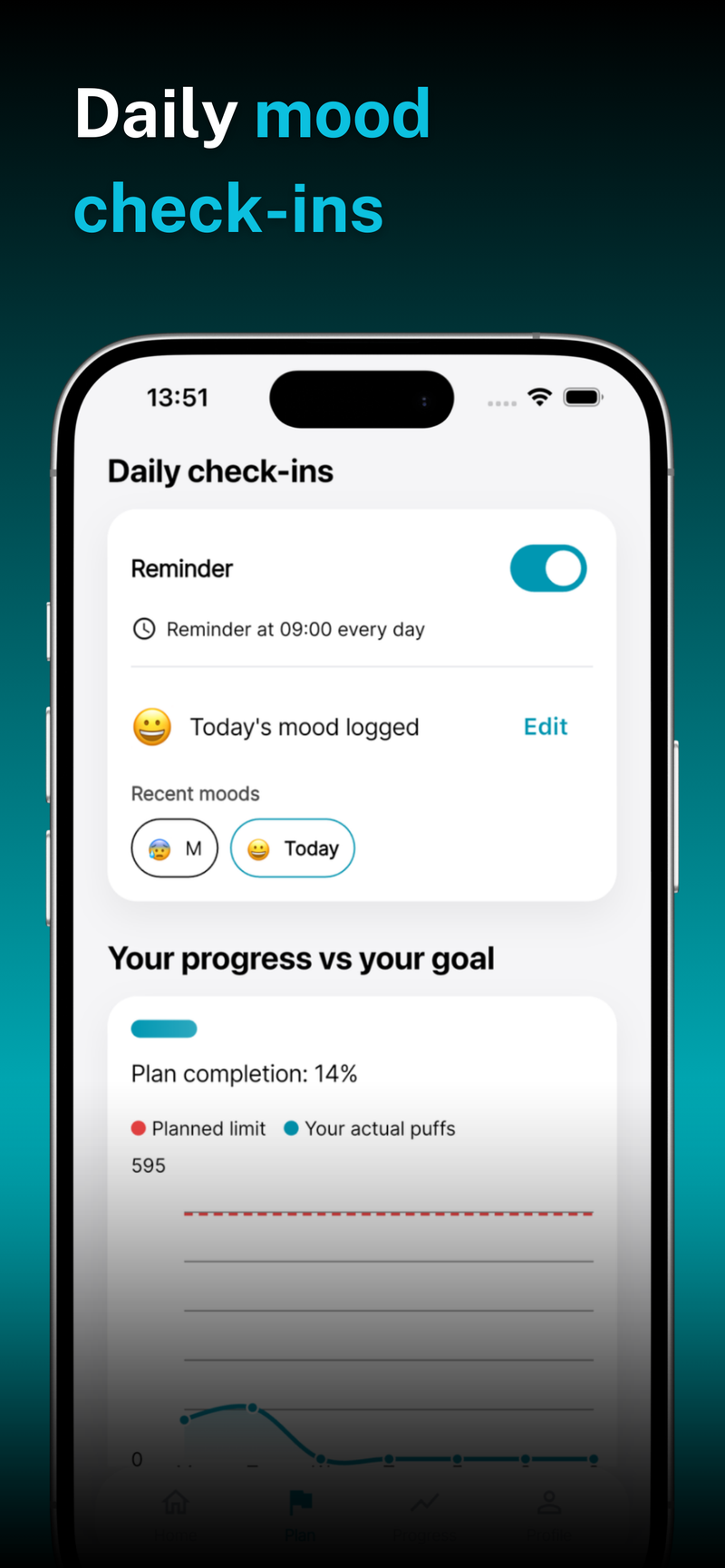
End each day with a 3-minute reflection: what worked, what surprised you, what you’ll try tomorrow.Keep a simple log of cravings, mood, activity, and outcomes. Over time, you’ll notice patterns that help you refine your plan.Periodically review your environment: remove or reduce visual cues (empty packs, ashtrays) and create nicotine-free spaces where you can pause and reset.Key tips and quick data points
Cravings often peak within the first few days and decline over 2–4 weeks with consistent strategies.Within 24 hours of quitting, heart rate and blood pressure begin to improve; after 8–12 hours, carbon monoxide levels drop in your blood.By 2 weeks to 3 months, circulation and lung function can improve, making physical activity feel easier.After about 1 year without nicotine, the risk of coronary heart disease drops significantly; long-term benefits accumulate with steady abstinence.Conclusion
Recovery from nicotine is a daily practice, built from small, repeatable actions rather than a single moment of willpower. By incorporating these routines—craving delay, movement, hydration, structured meals, sleep, social support, and a habit log—you create a positive feedback loop that strengthens your resolve and your body’s resilience.
If you’re beginning or refining your quit plan, structured onboarding and personal setup can help tailor these practices to your life. A guided path lets you choose your product type, set a clear main goal, define a timeline, and track daily habits so you stay aligned with your longer-term targets. Consider how a personalized quit plan could support your journey—and remember, every day you follow these practices is a step toward a nicotine-free life. Quit Smoking & Vaping can help with this by offering onboar