
·Health
21-Day Plan to Cut Cravings While Quitting Smoking
Struggling with cravings as you quit smoking or vaping? This practical 21-day guide breaks cravings into manageable steps, offering actionable strategies, daily actions, and coping tools to help you build lasting habits. Learn to map triggers, ride out urges, and celebrate new progress.
quitting-smokingcravingsbehavioral-strategyhabit-changesmoking-cessation-tips
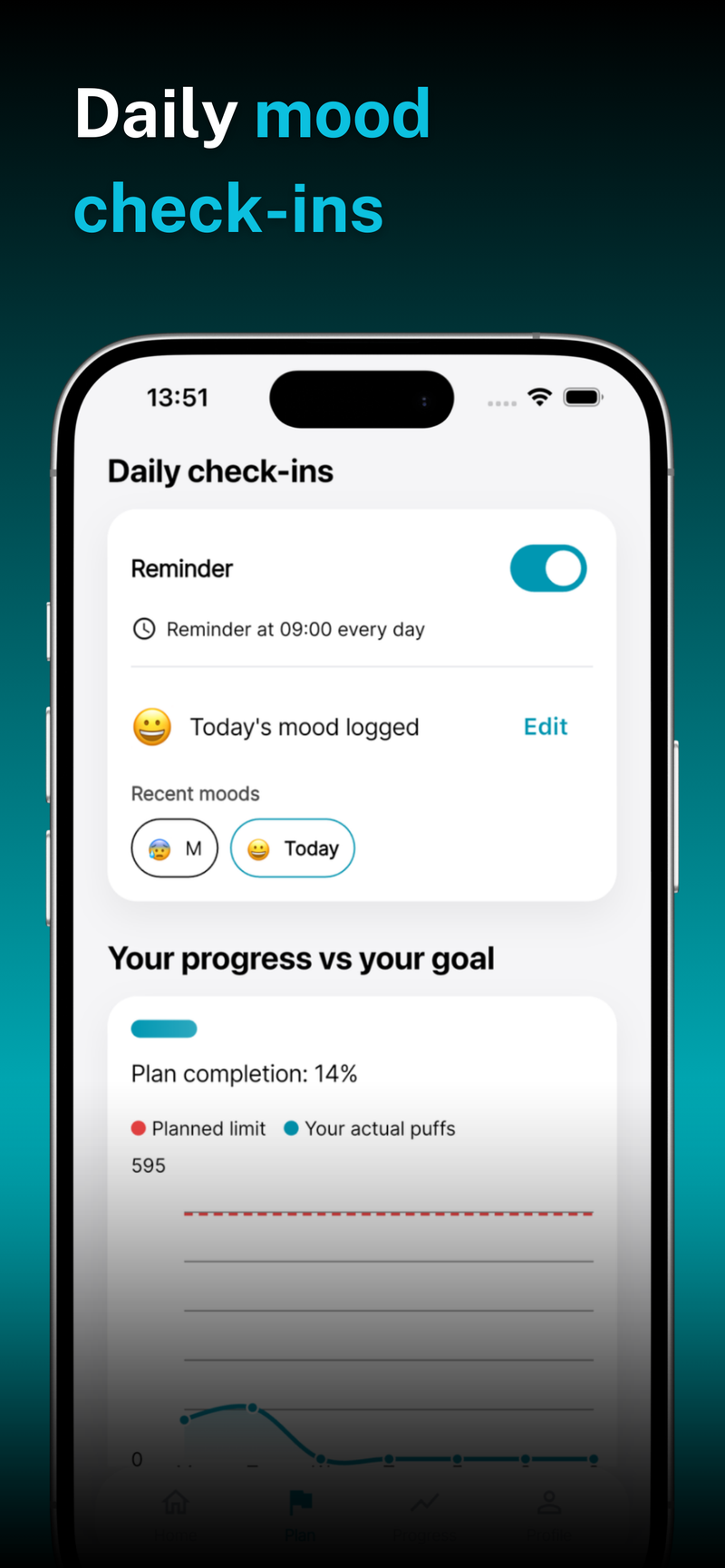
Introduction Cravings for cigarettes or vape hits can feel relentless. You’ve decided to quit or cut back, yet the urge to reach for a smoke shows up at inopportune moments. You’re not alone: cravings tend to be strongest in the first week and gradually ease over time. With a clear plan and practical tools, you can ride out the urges and build new routines that support your goal. A 21-day window is a common, manageable span for building new habits. While the first days are about interruption—breaking old patterns—you’ll gain momentum as coping skills stick. Cravings typically last 3–5 minutes; if you can wait them out or replace the activity during those minutes, you’re far more likely to move forward rather than backslide. This guide breaks the path into three weeks of concrete actions, plus a toolkit you can reuse for future cravings or slips. ## The 21-Day Plan to Cut Cravings Breaking the journey into weeks helps keep momentum. Each week adds new skills while reinforcing the ones you already practiced. ### Week 1: Laying the Foundation - Track your baseline. For 7 days, note every cigarette or puff you’d normally have and the context around it (time, mood, trigger). - Build a craving toolkit. Keep water, sugar-free gum or mFruit, a healthy snack, breath mints, and a quick stress ball or fidget toy within reach. - Map triggers. List daily rituals that prompt smoking (morning coffee, after meals, with friends). Prepare a specific alternative for each trigger. - Practice the delay technique. When a craving hits, pause for 10 minutes before acting. Use that time to do something distracting or grounding (breathing, a short walk, a glass of water). - Change a small ritual. If you smoke after meals, brush your teeth or take a 5-minute walk instead. - Prioritize sleep and meals. Aim for 7–9 hours of sleep and balanced meals to stabilize mood and energy, reducing the emotional pull to smoke. - Move a little daily. Add 10–15 minutes of brisk activity to disrupt cravings and improve mood. - Enlist support. Tell one friend or family member about your plan and ask them to check in with you. ### Week 2: Building Coping Skills - Urge surfing. Recognize cravings as waves that rise, crest, and fall. Stay with the feeling without acting on it. - Cognitive reframing. Write down the cost of smoking (money spent, health impact, lost time) and the benefits of quitting (senses returning, energy up, money saved). - Strengthen the environment. Remove lighters, ashtrays, and smoking cues from your home and car. Create a dedicated, non-smoking zone. - Consider nicotine replacement or pharmacotherapy if appropriate. Talk to a clinician about options that fit your plan. - Create new rituals. Replace after-work smoke breaks with a quick stretch, a 5-minute playlist, or a cup of herbal tea. - Plan for social situations. Decide in advance how you’ll handle friends who smoke or vape around you. Prepare a brief refusal or an alternative activity. - Track progress and mood. Note days without smoking, money saved, and any mood changes. Use positive data to reinforce the plan. ### Week 3: Solidifying Habits - Maintain the routine. Keep your daily habits predictable: meals, sleep, movement, and a go-to coping routine for cravings. - Relapse prevention mindset. If a slip occurs, analyze the trigger and adjust your plan rather than letting it derail your momentum. Recommit to the next moment. - Decide on your long-term goal. Confirm whether you want to monitor and reduce or quit completely, and set a realistic target date if you haven’t already. - Strengthen your support network. Maintain accountability with a friend, support group, or mentor who understands your objective. - Celebrate milestones. Acknowledge the day you didn’t smoke, the money saved, or the new taste of food and drink you’re enjoying. ## Craving Toolkit (quick-access strategies) - Delay first: Tell yourself you’ll wait 10 minutes before acting. - Hydrate and snack: Sip water or have a crunchy non-sugary snack to occupy your mouth and hands. - Deep breathing: Use a simple pattern like inhale for 4, hold 4, exhale for 6, repeat 5 times to calm the nervous system. - Urge surfing steps: 1) Notice the craving without judgment. 2) Describe it (“This is a craving wave, not a signal to smoke”). 3) Breathe and ride it as it grows and then fades. 4) Do something else for 5–10 minutes. 5) Reflect on what helped after the wave passes. - Change the scene: Step outside if you’re indoors, move to a different room, or switch to a task that requires focus. - Reframe urges as signals: They indicate your commitment, not a failure. - Use a quick physical change: Stand up, stretch, or take a brisk 5-minute walk to shift your physiology. Common triggers to prepare for include stress, caffeine, alcohol, social events with smokers, and powerful routines like after meals or during mornings. For each trigger, have a specific alternative ready so the plan flows smoothly rather than relying on willpower alone. ## Quick wins to stay on track - Visualize your reasons to quit and revisit them when cravings spike. - Keep a running tally of money saved and health benefits you notice (taste, sleep, energy). - Maintain a consistent sleep schedule to stabilize mood and reduce irritability. - Build a mini reward system for milestones (non-smoking treat, new book, or a favorite activity). ## Conclusion Quitting or cutting back is a process, not a single act. A steady 21-day plan—paired with practical coping strategies—can turn cravings from overwhelming to manageable. By documenting triggers, building a craving toolkit, and gradually layering in healthier routines, you create a path that leads away from smoking and toward a healthier daily rhythm. If you’d like extra structure and guided onboarding to tailor a plan to your exact situation, Quit Smoking & Vaping can help with Onboarding & Personal Setup. It offers a friendly introduction, a multi-step onboarding flow, and a personalized pla



Daily MotivationProgress TrackingHealth MilestonesMoney Saved
💪 Onboarding & Personal Setup