
3-Category Budget: A Simple Rule to Stop Overspending
A practical, no-s-nonsense guide to a 3-category budget (Needs, Wants, Savings/Debt) that helps you curb overspending. Learn how to implement the 50/30/20 starting point, track effectively, and build a simple monthly routine.
Introduction
Ever finish a month wondering where your money went, only to realize a dozen small purchases added up? You're not alone. Overspending often sneaks in through small, impulse buys and unclear priorities. The good news is there’s a simple framework that can anchor your spending and protect your long-term goals: a 3-category budget. By dividing take-home income into Needs, Wants, and Savings/Debt, you create clear boundaries that prevent spillover and make every dollar march toward your priorities.
This approach isn’t about deprivation; it’s about conscious allocation. Think of it as a map for your money—one that shows where you must spend, where you can have some flexibility, and where you’re building a safety net for tomorrow.
The 3-category budget: a simple framework
What is a 3-category budget?
The idea is straightforward: split your monthly take-home income into three buckets:
The 50/30/20 starting point
A widely used starting point for this framework is the 50/30/20 rule:
This split isn’t rigid. If you have high fixed costs or significant debt, you may adjust to 60/20/20 or 40/30/30. The key is to assign real, named amounts to each bucket and stick to them as you plan each month.
Quick example
If your take-home pay is $4,000 per month:
The numbers aren’t magical; they’re a framework. After you track actual spending, you’ll likely need to adjust the sizes of each bucket to fit your life while keeping the three categories intact.
How to put it into practice
Step 1: Define your categories precisely
Step 2: Calculate your take-home income and allocate
Step 3: Track spending and compare to your plan
Step 4: Create a small buffer for irregular expenses
Step 5: Build discipline with a repeatable routine
Step 6: Address common pitfalls
Step 7: Bring the family into the loop
A practical, four-week starter plan
Conclusion
A 3-category budget simplifies the way you think about money by turning variables into three concrete decisions each month. By clearly labeling Needs, Wants, and Savings/Debt, you create transparent boundaries that reduce impulse spending and promote steady progress toward your financial goals.
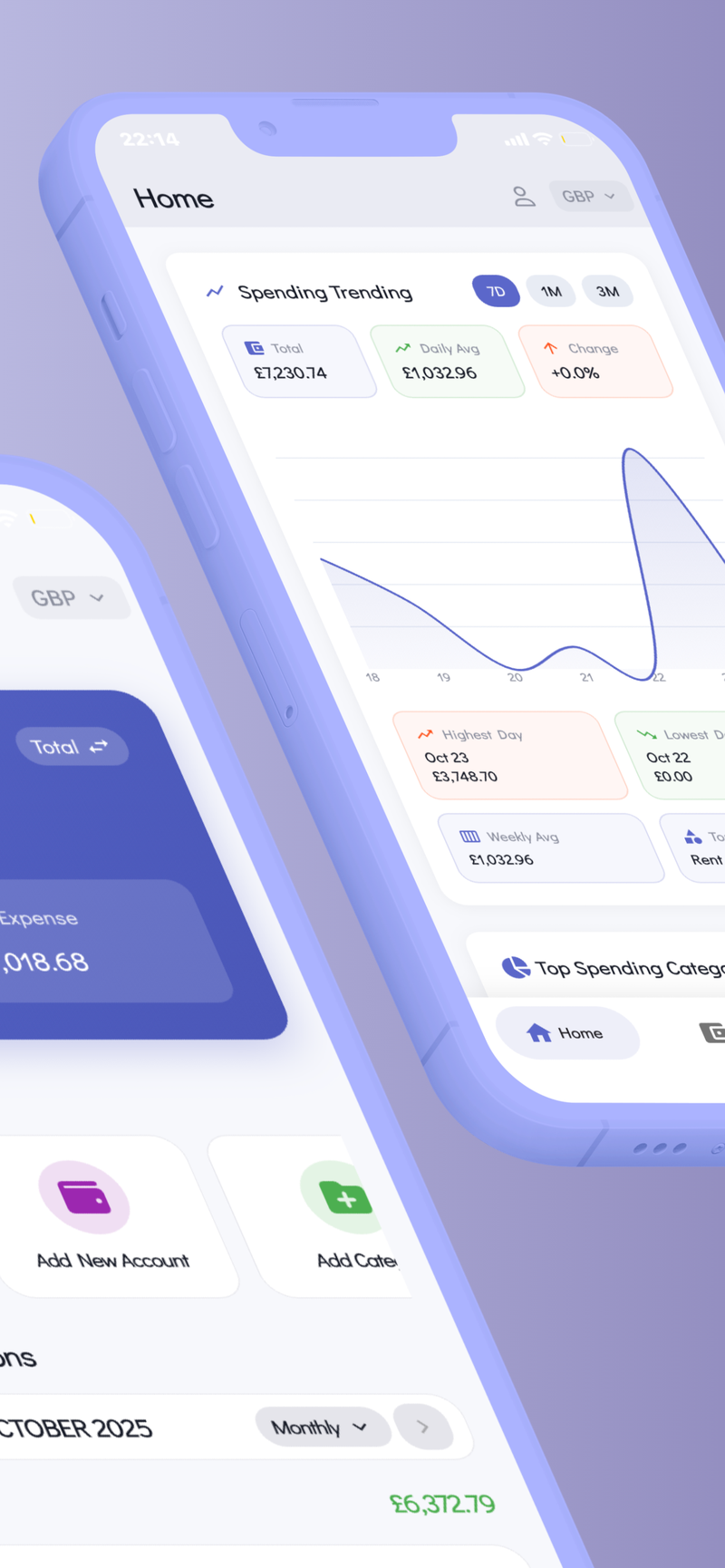
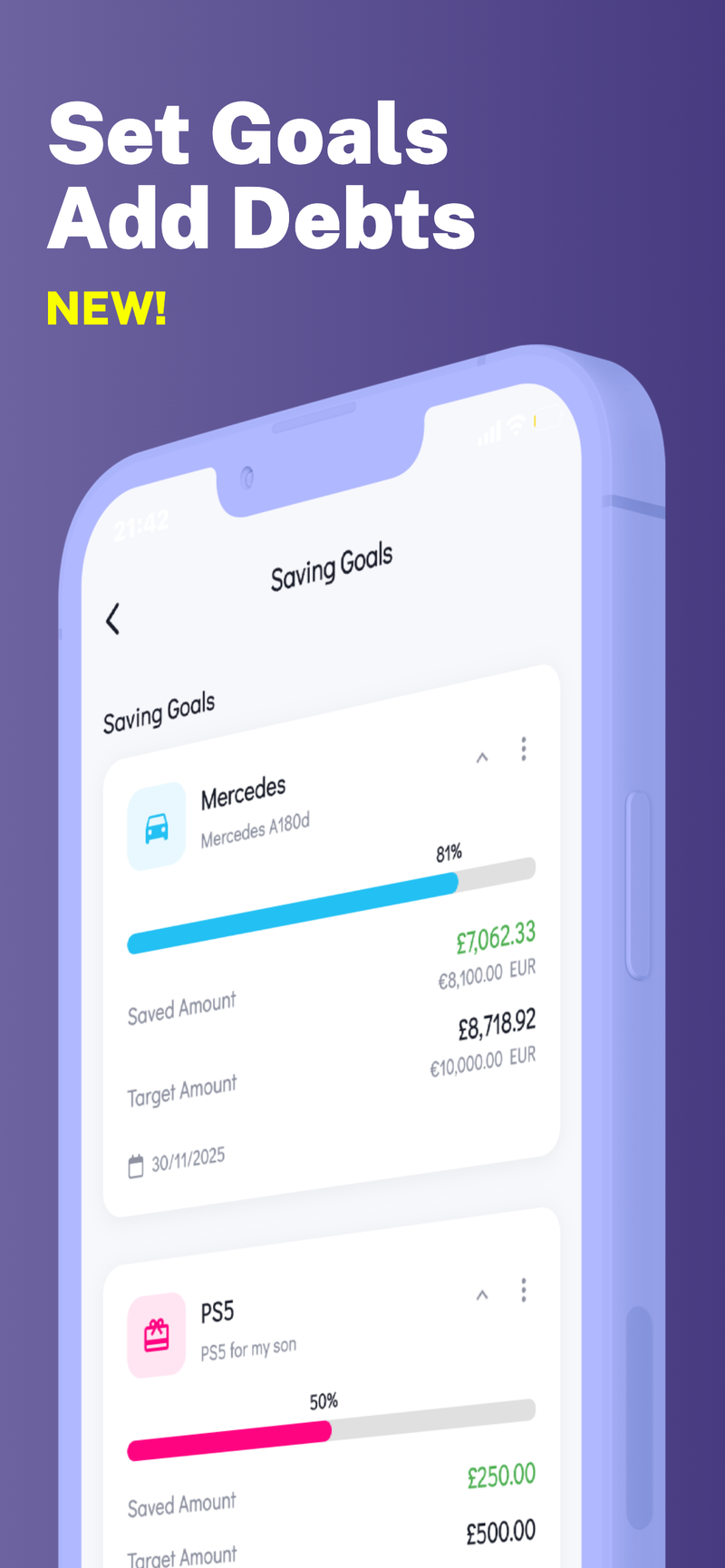
If you’re balancing multiple budgets for family or personal goals and want a privacy-focused tool to help you apply this rule consistently, consider a solution that supports Multi-Profile Security. A tool designed for private, on-device data management can help you keep multiple budgets organized without exposing sensitive information. Fokus Budget can help with this Multi-Profile Support, keeping your financial plans clear and accessible across diffe



✨ Multi-Profile Support