Introduction
If you’ve ever felt like your money disappears before you can save, you’re not alone. Many households drift through months without a clear savings target, only to look back and wonder where the money went. The good news: you can start cutting expenses and saving more in just five weeks with a focused, doable plan that protects what you value most.
This guide walks you through a week-by-week approach, combining practical cost-cutting, smarter spending habits, and small income boosts. It’s designed to fit real life—working parents, roommates, or anyone juggling multiple financial obligations.
Week 1: Set a baseline and track every dollar
Gather your last 90 days of statements (bank, credit cards, and receipts).Categorize expenses into a few core groups: housing/utilities, transportation, groceries, debt, subscriptions, and discretionary spending (eating out, entertainment).Set a concrete target: aim to cut nonessential spending by 10-20% over the next five weeks.Start a simple spend diary for the week: record every purchase, even a small coffee. Those tiny amounts add up.Identify “comfort purchases” you can reduce (snacks, impulse buys, premium coffee) and replace them with lower-cost alternatives.Why this matters: most budgets fail not from a single big expense, but from small, repeated purchases that add up. A clear baseline makes the impact of changes measurable.
Week 2: Trim fixed costs and use energy smarter
Review fixed costs: phone, internet, insurance, and gym memberships. Call providers to renegotiate, switch plans, or shop around. Even a 5–10% saving on a monthly bill compounds over time.Housing and utilities: set your thermostat a degree or two lower in winter and higher in summer; switch to LED bulbs; unplug idle electronics; run full loads to maximize efficiency.Grocery strategy: plan meals for the week, shop with a written list, and compare price per unit rather than just sticker price. Consider store brands for staples.Subscriptions: list every recurring charge. Cancel at least one you rarely use or can live without.Tip: small changes here create steady, compounding savings. A 1–2% daily savings rate can become meaningful by week five.
Week 3: Tackle variable costs and smart spending rules
Meal planning and cooking: plan 5 dinners for the week, batch-cook, and use leftovers to prevent waste.Impulse control: implement a 24–72 hour rule for nonessential purchases over a small amount. This helps curb spontaneous buying.Dining out and entertainment: replace 1–2 dining-out events with budget-friendly activities (picnic, movie night at home).Transportation tweaks: carpool, combine errands into a single trip, or use public transit if feasible.Data point: dropping just a couple of streaming or premium service subscriptions can save $20–$60 a month depending on what you’ve signed up for.
Week 4: Grow income and automate progress
Income opportunities: consider a small side gig or selling unused items. Even $50–$200 extra per month adds up fast when kept within a budget.Automate savings: set up automatic transfers to a savings account right after payday. Treat savings as a fixed expense, not an afterthought.Use smart discounts: leverage loyalty programs, cashback apps, and price-matching policies. Stack discounts where possible (coupons + store sales).Build a simple system: a one-page budget that tracks planned vs. actual spending helps you stay honest and adjust quickly.Important: automation reduces friction, so you’re less likely to skip saving when life gets busy.
Week 5: Review, refine, and set momentum
Review results: compare your actual spending to your targets. Note what worked and what didn’t.Reallocate: adjust allocations based on real behavior. If you saved more in food, you can reallocate to debt payoff or an emergency fund.Emergency fund or buffer: if you don’t already have one, aim for a small safety cushion (one month of essential expenses) and plan to grow it to 3–6 months over time.Document lessons learned: write down a couple of practical habits you’ll carry forward (e.g., meal planning, weekly price checks, or a monthly review).Realistic expectations: a five-week sprint can yield meaningful savings, but the real payoff comes from turning these habits into a repeatable monthly process.
Quick wins to start today
Track every purchase for one week.Cancel two unused subscriptions.Negotiate one bill (phone, internet, insurance).Plan meals for the next seven days and make a detailed shopping list.Set up an automatic transfer to savings right after payday.Why this approach works
It targets both sides of the equation: reducing expenses and increasing income where feasible.It builds discipline with small, achievable steps that compound over time.It creates visibility: when you see where money is going, you’re better positioned to adjust.Data-backed perspective
Many households underestimate recurring charges and impulse buys. A modest habit change—like a weekly review and meal planning—can typically reduce monthly costs by 5–15% without impacting essential needs. Over five weeks, that compounds into notable savings and more peace of mind.
Conclusion
Saving more and cutting monthly expenses isn’t about drastic sacrifices; it’s about intentional choices, simple systems, and steady momentum. Start with a clear baseline, implement small tweaks each week, and celebrate the progress you make along the way.
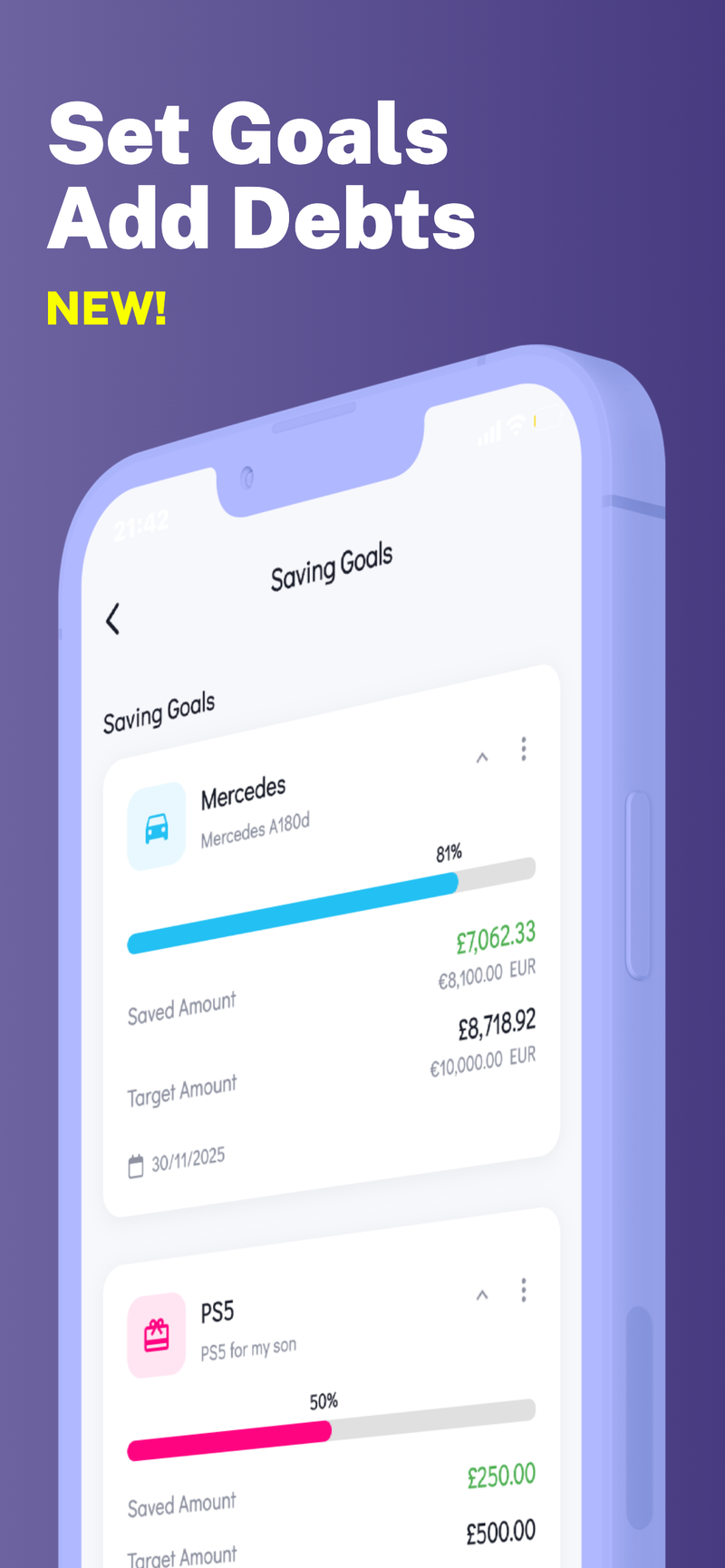
If you’d like a private, on-device tool to help you implement this plan across multiple profiles and currencies, consider Fokus Budget. Its privacy-first design and features like Multi-Profile Support can help you tailor savings for personal, family, or household budgets without sacrificing data security or flexibility.