Introduction
Living paycheck to paycheck is a familiar feeling: you’re paid, you pay bills, and somehow there’s little left for the unexpected or for saving. A car repair, a medical co‑pay, or even rising groceries can spark a scramble that leaves you stressed and reactive. You’re not alone, and you’re not doomed to stay here. The path forward is practical, not punitive—seven concrete steps you can start today to tighten control over your money and create real momentum.
A quick reality check: in the Federal Reserve's 2023 Survey, 40% of adults would not be able to cover a $400 emergency with cash. That gap matters, because emergencies are the surest way to slip back into living paycheck to paycheck. The goal is to reduce that gap by planning, automating, and aligning spending with what actually matters to you.
Seven Concrete Steps
Step 1: Track every dollar with intention
Start with a two-week spending diary. Write down every purchase, big or small, and label it by category (housing, food, transport, debt, leisure).At the end of each week, compare what you planned to spend with what you actually spent. Note the big variances and ask: did I truly need that expense, or was it impulse?Try zero-based budgeting this month: give every dollar a job before the month begins so income minus expenses equals zero. This isn’t about deprivation; it’s about intentional allocation.Quick win: automate one small saving or debt payment right after payday to prevent the cash from slipping away unnoticed.Step 2: Build a real emergency fund
Aim for 3–6 months of essential expenses. If your monthly essentials (rent, utilities, groceries, transport, minimum debt payments) total $3,000, target $9,000–$18,000.Start with a reachable goal, like $1,000, and accelerate once you’re out of high-interest debt.Create a separate savings bucket and name it clearly (Emergency Fund). Small, automatic weekly contributions add up fast.If you can't save much at first, commit to a fixed amount per paycheck, even $5 or $10, and increase as you adjust your budget.Step 3: Automate savings and essential payments
Set automatic transfers to a dedicated savings account on payday. Automating reduces the friction of saving and helps you avoid spending what you intend to save.Automate bill payments to avoid late fees, but keep an eye on due dates to avoid overdrafts.Create a calendar reminder for a weekly budget check-in to stay mindful without becoming overwhelmed.Step 4: Cut recurring expenses strategically
Audit subscriptions and memberships. Keep only what you actually use; cancel or downgrade the rest.Reevaluate essential services (cell plan, internet, insurance). Call providers to negotiate or switch to lower-cost plans with similar coverage.Use trial periods wisely, but avoid ramping up new subscriptions without a plan to cancel or convert to a cheaper option when the trial ends.Implement a 24‑hour rule for nonessential purchases: if you still want it tomorrow, it stays on the list; if not, it’s a one-time test of impulse control.Step 5: Budget with a practical framework that fits your life
Choose a budgeting approach that sticks: zero-based budgeting, the 50/30/20 rule, or a monthly expense cap. The key is consistency, not perfection.Prioritize needs over wants, and allocate a small but meaningful fund for discretionary spending to reduce guilt and prevent burnout.Review your budget quarterly with a focus on where you can cut without harming essential quality of life.Step 6: Increase income streams thoughtfully
Explore side gigs or freelancing in areas you already know well. Even a few extra dollars per week can accelerate progress.Leverage existing skills for paid opportunities or short-term gigs that fit your schedule.Consider upskilling with low-cost or free resources to qualify for higher-paying roles or promotions.If you’re dealing with high-interest debt, allocate part of the extra income to debt repayment to reduce interest costs over time.Step 7: Build a debt payoff plan with a clear method
Pick a payoff strategy: snowball (smallest balance first) for quick wins or avalanche (highest interest first) to minimize interest.List all debts with balances, minimum payments, and interest rates. Set a target payoff date and track progress weekly.Automate minimum payments and assign any additional available funds to the selected debt payoff order.Reassess after a few months: if your income increases or expenses drop, reallocate the freed funds to accelerate payoff.Putting it together
These steps aren’t a one-time fix; they’re a repeatable cycle of visibility, discipline, and adjustment. Start with the easiest win—tracking your spending for two weeks—and build toward a robust emergency fund, automated savings, and a sustainable budget. The moment you remove ambiguity from your finances, your ability to plan for big goals—home, education, or a worry-free retirement radius—becomes real.
Conclusion
You don’t need a miracle to break free from living paycheck to paycheck. You need a dependable process: know where your money goes, protect yourself with savings, automate what you can, and steadily raise your income and reduce debt. Small, consistent actions compound into lasting change.
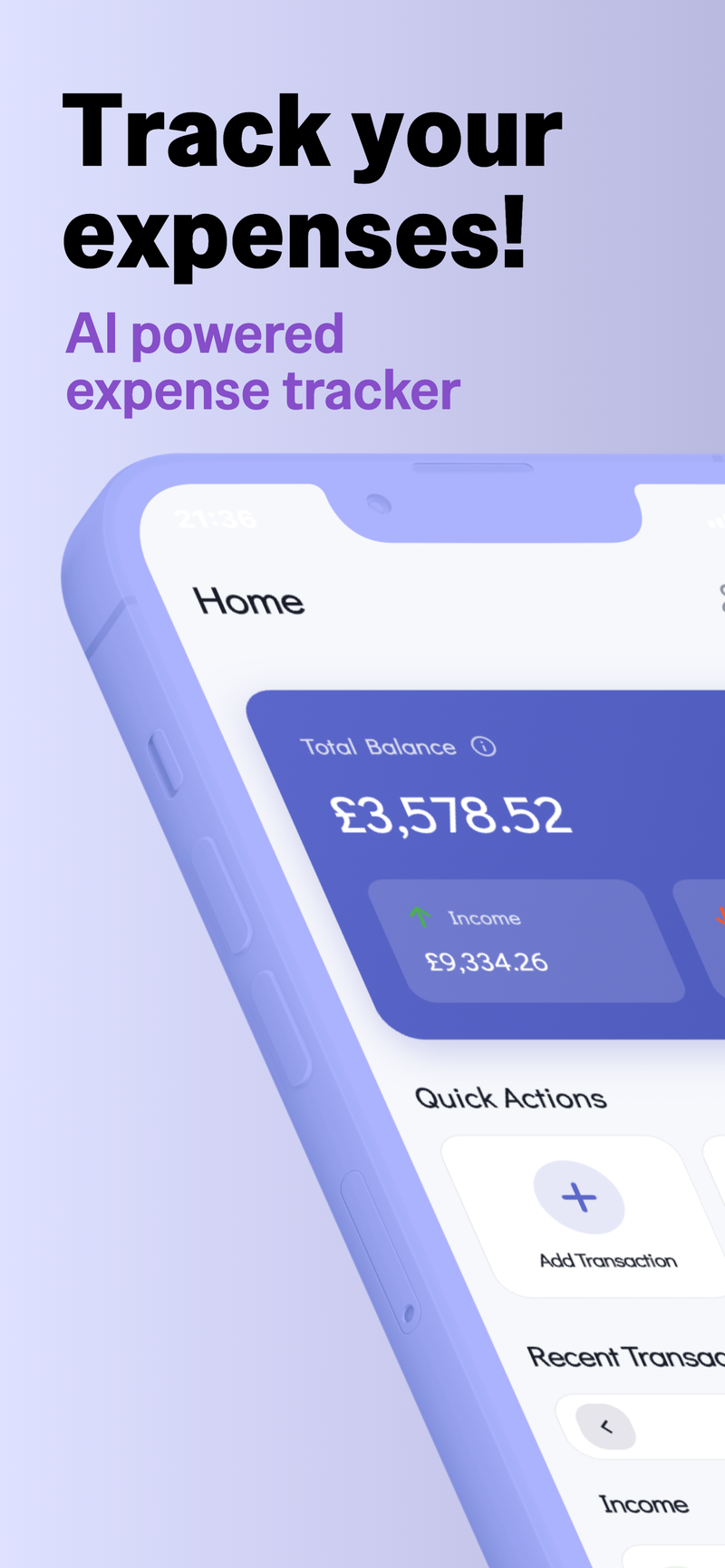
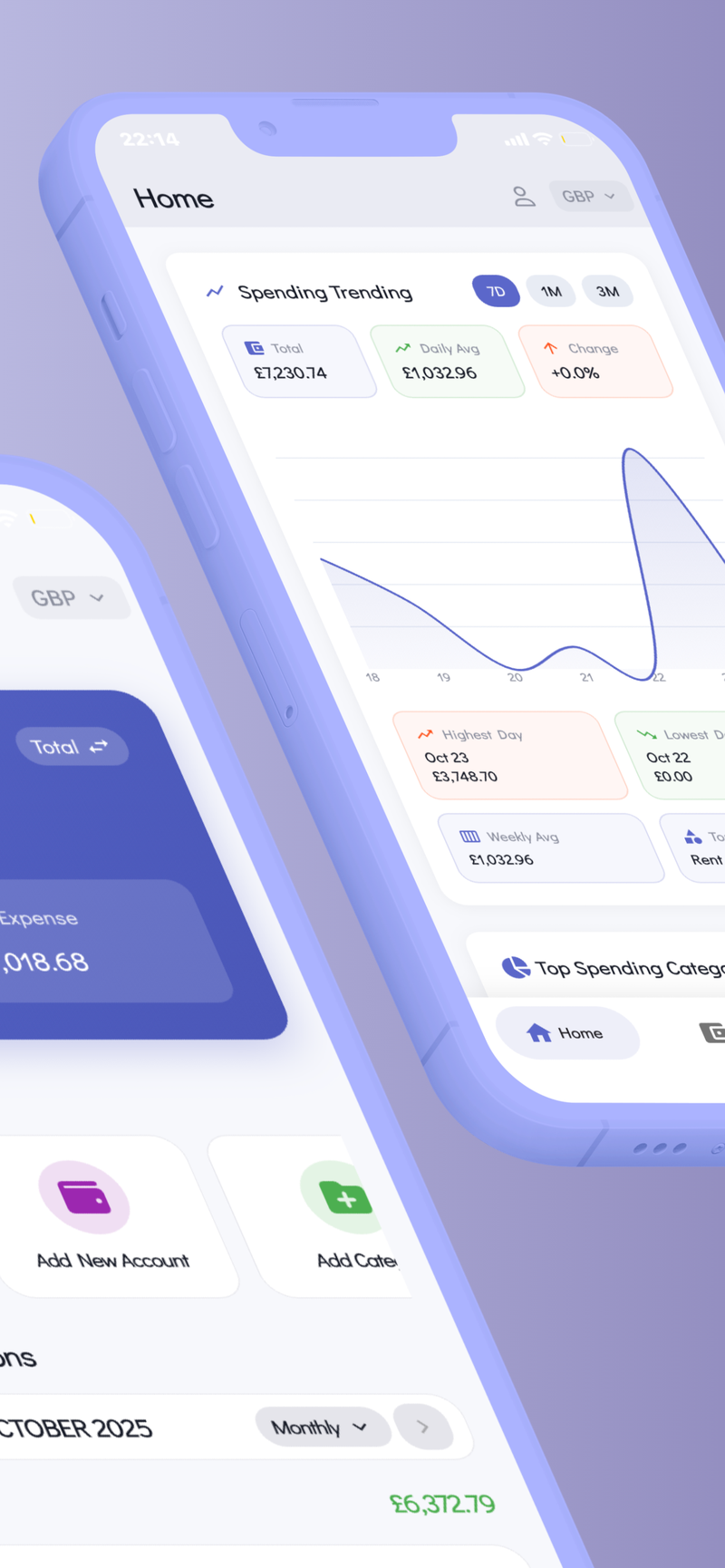
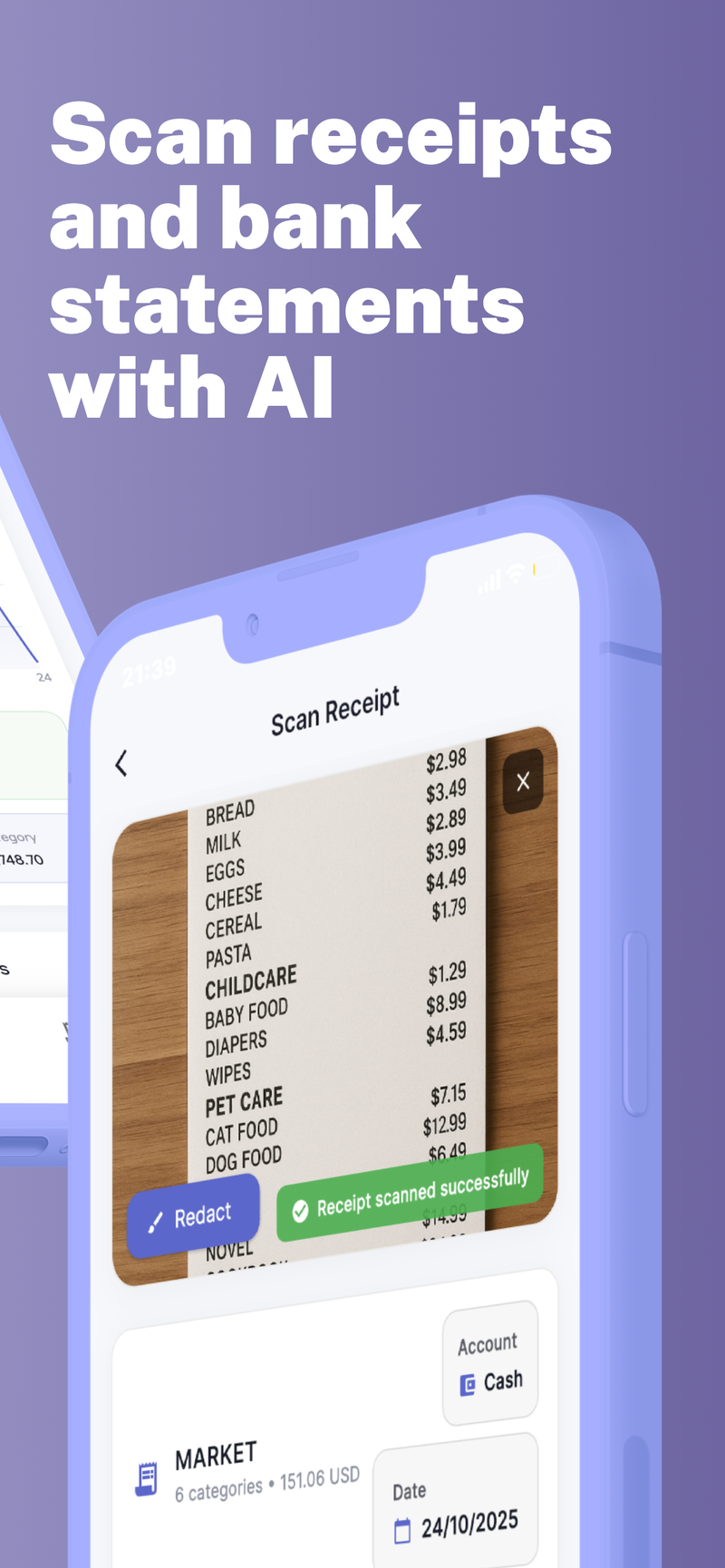
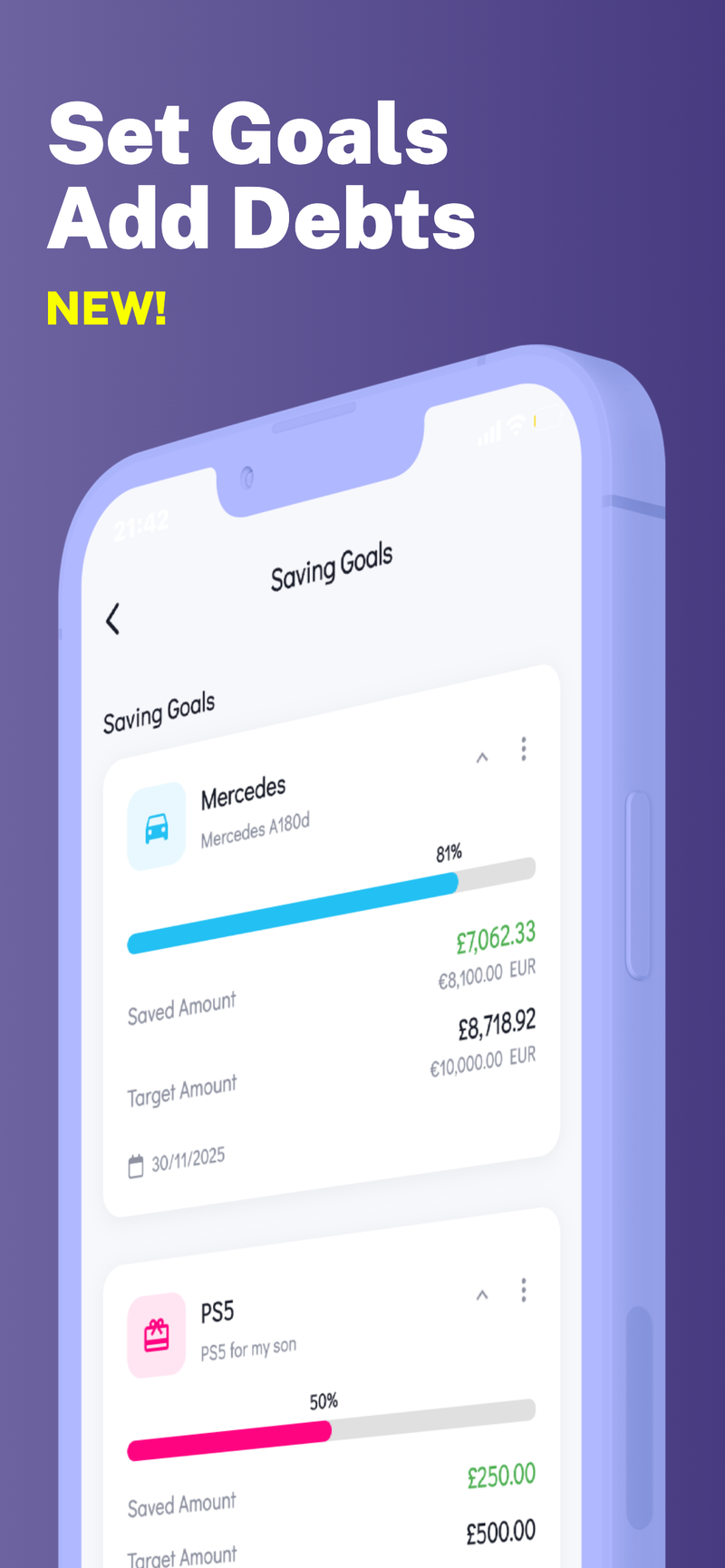
If you’re looking for a privacy-first tool to support these steps, Fokus Budget can help with on-device data storage and multi-profile support. By keeping your financial data on your device and letting you manage multiple budgets in one place, Fokus Budget puts you in control of your money without surrendering your privacy.