Introduction
If you’ve decided to quit or cut back, the workday can feel like a constant test. Cravings tend to pop up around coffee breaks, after meetings, or during stressful moments, making progress feel slow or inconsistent. The good news: cravings are manageable with a plan. They typically begin within hours of abstinence and peak in the first day or two, but most commonly subside within a few minutes. With practical strategies, you can ride these urges without losing momentum.
7 Tips to Handle Nicotine Cravings at Work
1) Identify triggers and plan alternatives
Keep a simple trigger map for your workday: first coffee, breaks, lunchtime, or stressful tasks.For each trigger, decide at least one non-tobacco alternative: water, a quick walk, or a short stretch.Create a micro-plan: at the start of your shift, choose one replacement activity for each likely trigger.2) Use fast, evidence-based coping techniques
Try a brief breathing exercise: inhale for 4 seconds, hold for 4, exhale for 6. Repeat 5 cycles.Ground yourself with the 5-4-3-2-1 method: name 5 things you can see, 4 you can feel, 3 you can hear, 2 you can smell, 1 you can taste.Cravings often peak and fade within 5-10 minutes; use this window to carry out your planned alternative.3) Keep hands and mouth busy
Chew sugar-free gum or mints, sip water or tea, or snack on crunchy foods like carrots or apples.Use a stress ball or fidget toy to occupy your hands during high-stress moments.Carry a small, portable item for breaks (no tobacco ads or associations) to signal a break rather than a cigarette.4) Replace the ritual, not just the cigarette
Build a new “work-break” ritual that mimics the timing of old habits (same length of break, same cadence of activity).Pair each break with a quick task you’ve been meaning to do (stretch, refill water, jot a quick note).Document the break in a simple journal to reinforce the new routine.5) Hydration, nutrition, and movement
Drink water consistently; dehydration can amplify cravings and mood swings.Choose high-protein snacks to help curb urges and stabilize energy.Short movement, even a 2-minute walk or desk stretches, can reduce tension and cravings.Limit caffeine if it seems to intensify jitteriness for you; monitor how your body responds.6) Consider evidence-based cessation aids with professional input
Nicotine replacement therapy (gum, lozenges, patches) and non-nicotine medications can improve success rates when used correctly.Talk with a healthcare professional or a workplace health counselor about options and how to use them safely.Combine aids with behavioral strategies (tracking triggers, planning alternatives, and support) for best results.7) Build workplace support and practical policies
Tell a trusted coworker or supervisor about your quit plan so you have accountability and understanding during cravings.If your workplace offers a smoke-free policy or cessation resources, learn how to access them.Consider scheduling a buddy system: a quick check-in at the start of each shift or during high-risk times.Additional practical ideas
Know your “weak hours” and plan two alternative activities for those moments.Prepare a relapse plan: what you’ll do if a craving feels overpowering (call a friend, take a walk, delay the decision for 10 minutes).Track progress in a simple log: days smoke-free, cravings hit, and the strategies that worked best.Quick statistics to guide your approach
Most cravings last only a few minutes but can recur hourly during the early quit period. Consistency with coping strategies reduces the chance of a relapse.Pairing pharmacologic aids with behavioral changes can roughly double quit success rates compared with behavioral changes alone.Conclusion
Quitting or reducing nicotine at work is challenging, but it’s absolutely doable with a plan and practical strategies. By identifying triggers, using quick coping techniques, staying busy, and seeking support, you can navigate a typical workday without compromising your goals. If you’re looking for a structured, guided path, there are programs that offer onboarding and a personalized setup to tailor a quit or reduction plan to your work life. These tools can help you stay consistent, adjust your plan as you progress, and keep motivation high over time.
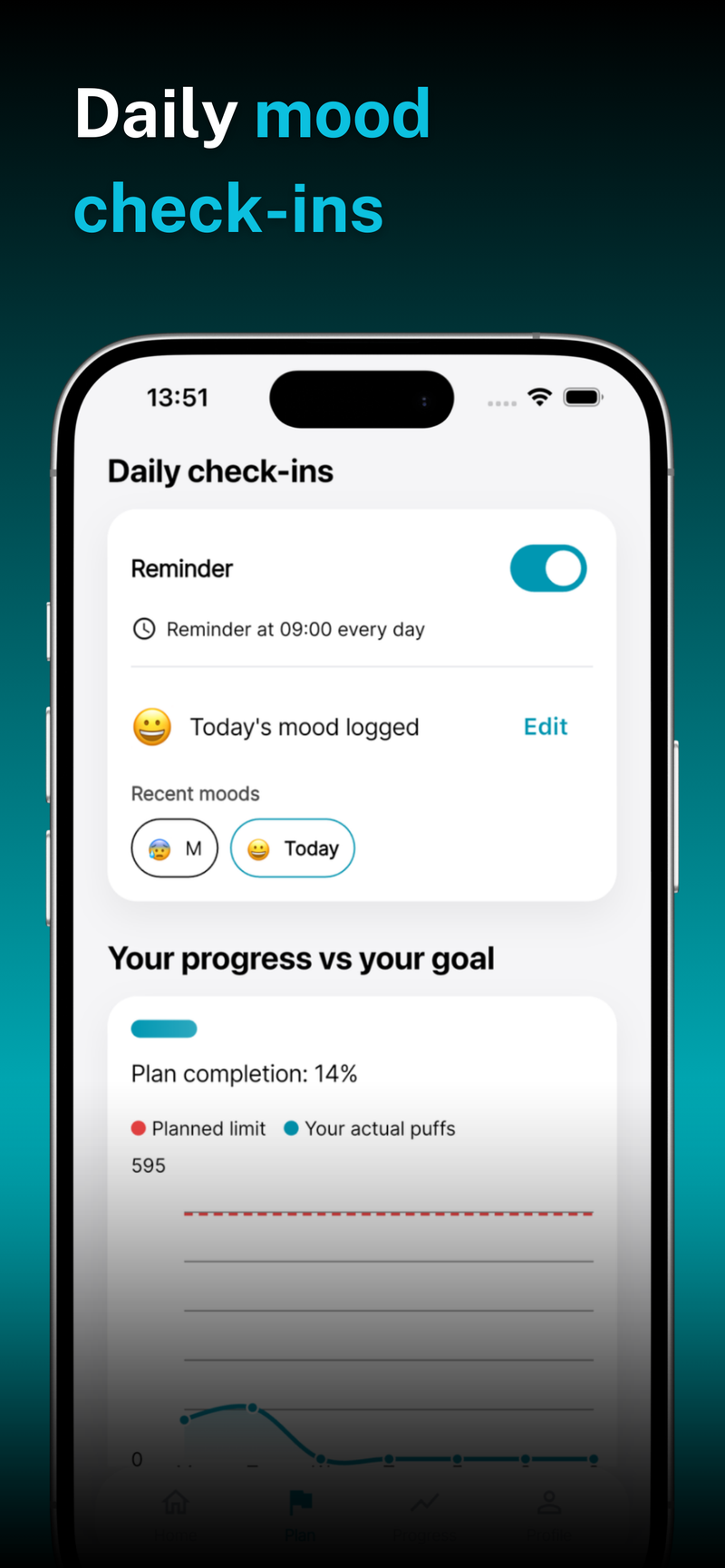
If you’re interested in a guided approach, Quit Smoking & Vaping offers onboarding & personal setup to tailor a quit or reduction plan to your work life, backed by Fokus Puff – User-Facing Features. This can be a helpful option to support your journey while you apply the tips above.