Introduction
Quitting smoking or vaping is a bold decision, and it often comes with a mix of relief and new challenges. The first days can feel surprisingly manageable, while cravings and stress creep back in when you least expect them. If you’ve ever relapsed, you’re not alone—quitters aren’t immune to slip-ups. The goal isn’t perfection; it’s building a durable plan that helps you ride out cravings until they fade.
Below are seven practical, evidence-informed tips you can start using today to strengthen your resolve and reduce the odds of relapse.
7 Practical Tips to Prevent Relapse After Quitting Smoking
Tip 1: Identify triggers and plan coping strategies
Start a 7-day trigger diary: note when cravings hit (time, place, mood, people).Create a short, ready-made plan for each trigger, such as:Take a 5-minute walk or gut-wrenching urge surfing (breathe in for 4, out for 6).Reach for a healthy substitute (water, herbal tea, sugar-free gum).Call or text a supportive friend when you feel overwhelmed.Build a bank of go-to strategies you can deploy in the moment, before cravings peak.Tip 2: Change your daily routines to avoid triggers
Change habitual smoking moments: after meals, during coffee breaks, or when driving.Replace the routine with healthier habits: stretch for 2 minutes, wash your face, or switch to a non-smoky activity.Rearrange social cues: sit with non-smoking friends, choose smoke-free venues, and set clear boundaries with smoking peers.> Quick reminder: early quitters often relapse around routine-related triggers. Altering your daily structure can cut a big source of stress and cravings.
Tip 3: Build a support system
Tell people you trust about your quit plan and ask for accountability.Schedule regular check-ins with a friend, family member, or coworker who’s supportive.Consider joining a support group or seeking counseling for strategies like cognitive-behavioral techniques or mindfulness.Use a buddy system: pair up with someone who’s also trying to quit or who can be your “sober buddy” during difficult moments.Tip 4: Manage withdrawal and cravings
Use evidence-based nicotine replacement therapy (NRT) or other medically approved options if appropriate—these can ease withdrawal and cravings.Keep cravings short: ride them out for 5-10 minutes with a distraction (a quick walk, a splash of cold water on your face, a breathing exercise).Stay hydrated and choose balanced meals to stabilize mood and energy.Prioritize sleep and regular physical activity; even a 15-minute walk daily can reduce irritability.Tip 5: Stress management and coping skills
Practice mindfulness or deep breathing: inhale for 4 counts, exhale for 6 counts, repeat for 2-3 minutes during stressful moments.Try progressive muscle relaxation: tense and release each muscle group for a few seconds to ease tension.Keep a brief journaling habit: note what’s stressing you and what helped you resist a craving.Develop a personal stress plan: identify your top two stress-relievers and use them when stress spikes.Tip 6: Make your environment smoke-free
Remove cigarettes, lighters, vape devices, and ashtrays from your home, car, and desk.Create clearly defined smoke-free zones and communicate boundaries to others if needed.Use scent cues to remind yourself of your goal: keep a small reminder in your wallet or on your phone.If you work around others who smoke, ask for a smoke-free workspace or set designated smoking breaks apart from your workflow.Tip 7: Track progress and celebrate milestones
Keep a quit journal: log days smoke-free, cravings overcome, and mood notes.Track concrete savings: money not spent on cigarettes/vapes accumulates quickly—document weekly and monthly totals.Note health wins: smell returns, taste improves, breathing feels easier, energy rises.Set small milestones (1 week, 1 month, 3 months) and celebrate with non-food rewards (a movie night, a new book, a massage).What the data suggests
Relapse is common, especially in the first month after quitting. Many quit attempts falter early, underscoring the importance of a solid pre-quit plan and support.Craving intensity tends to wane with time, but stress and alcohol can reignite urges. Being prepared for these moments makes a big difference.Financial benefits accumulate quickly: even modest daily spending on cigarettes or vapes can add up to hundreds of dollars each month, which can be a powerful motivator to stay quit.Conclusion
Quitting is a process, not a single act. By anticipating triggers, changing routines, building support, and actively managing cravings and stress, you can reduce relapse risk and sustain your progress. Remember to track your progress, celebrate small wins, and continuously refine your plan based on what works for you.
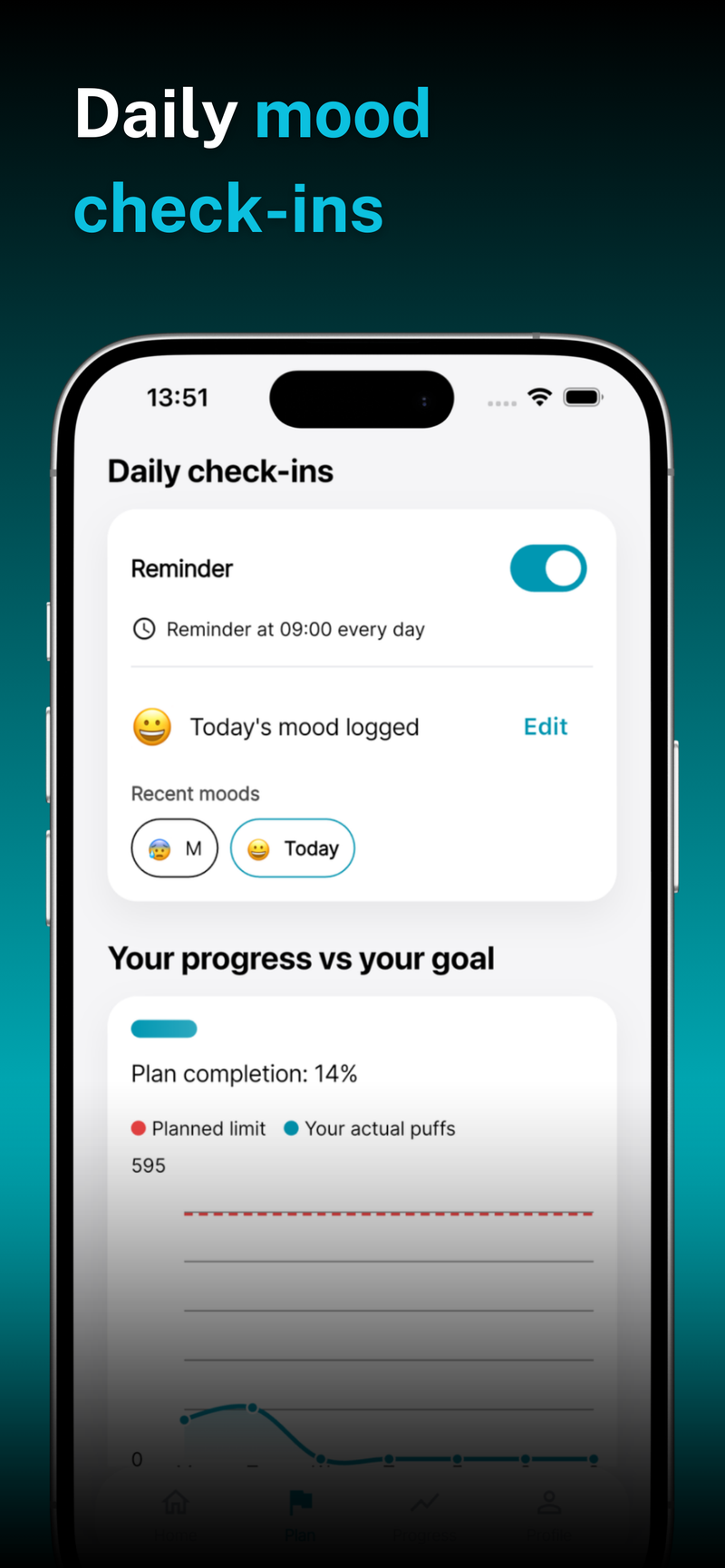
If you’re looking for a guided way to set up your quit plan and tailor it to your situation, a structured onboarding and personal setup approach can help. For example, a program that guides you to choose your product type (cigarettes or vapes), define your primary goal (monitor & reduce or quit), set a target timeline, and estimate daily usage and spending can provide a clear pathway. This kind of framework can support your efforts and make relapse less likely. Quit Smoking & Vaping can help with this, offering an onboarding & personal setup experience designed to support your journey toward a smoke-free life.