
·Budgeting
7 Secrets to Slash Grocery Bills Without Skimping Meals
Grocery costs climbing? These seven practical secrets help you plan, shop, and cook smarter so meals stay satisfying and budgets stay under control. Implementable steps, real-world tips, and a path to noticeable savings.
budgetinggrocery shoppingfrugal livingfamily financecost-saving tips
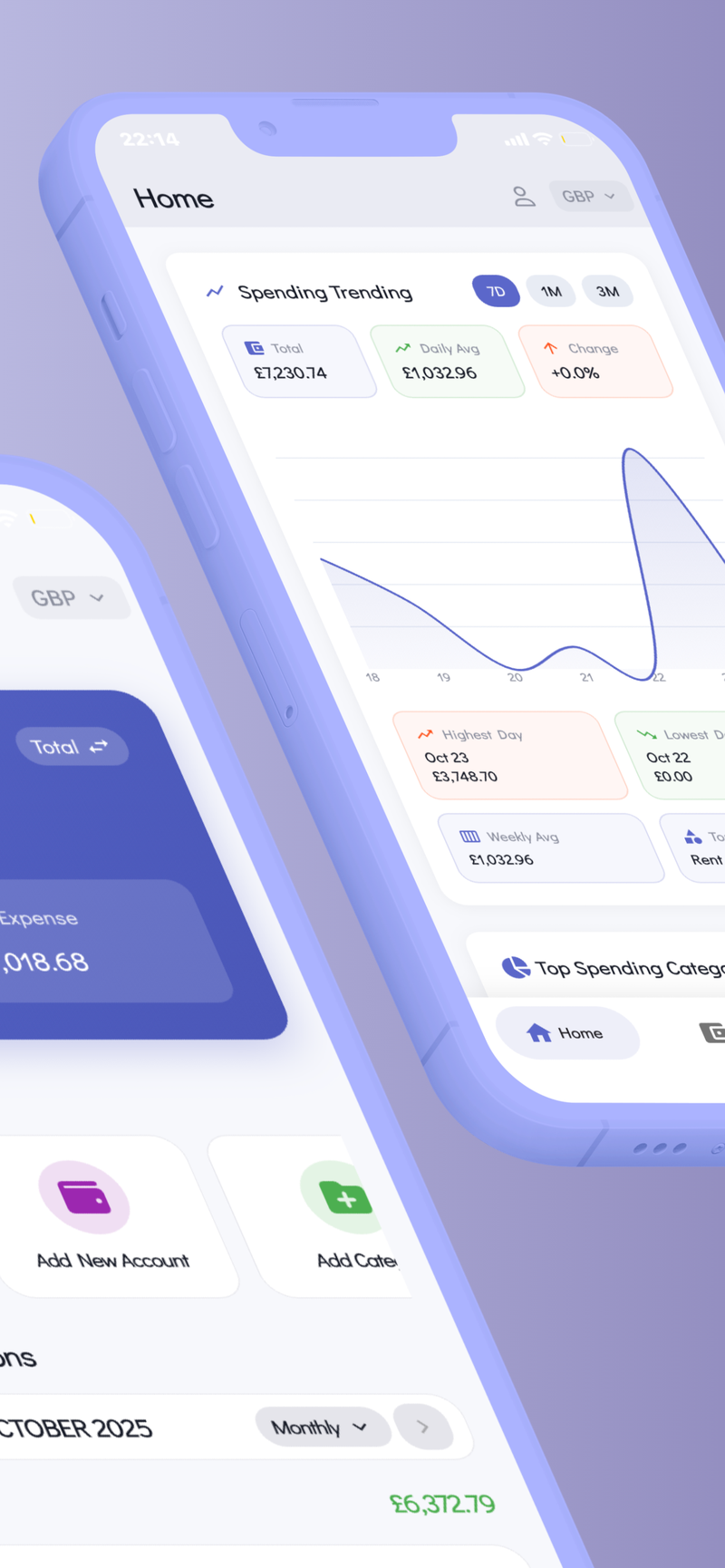
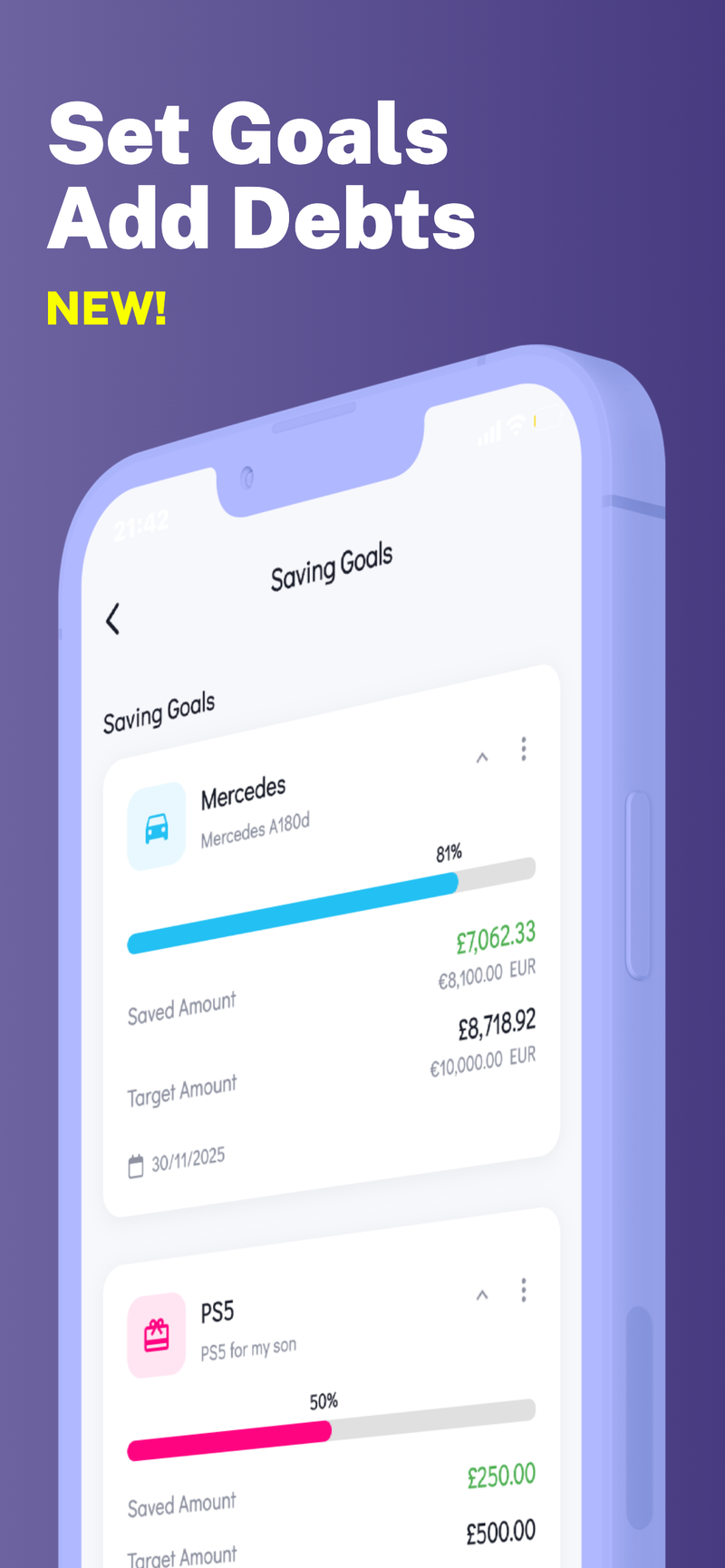
Introduction Let’s face it: groceries can eat into your budget faster than you expect. You plan meals, you batch cook, and yet the weekly total still climbs. Rising prices over the past couple of years have made it harder to keep meals satisfying while spending less. The good news is that small, deliberate changes can add up to real savings without making anyone go hungry. Below are seven practical, real-world secrets you can put into action this week. They’re focused on planning, smart shopping, and cooking methods that stretch every dollar while keeping dinners tasty and nutritious. # Seven Secrets to Slash Grocery Bills Without Skimping Meals ## Secret 1 — Plan with a real meal map - Start with 5–7 dinner ideas you actually want to cook this week, chosen from what’s on sale. - Build a master list of ingredients that appear across multiple meals to minimize duplicate buys and reduce waste. - Create a simple weekly template (e.g., Mon–Sun) with one “repeatable” meal that uses pantry staples. - Example: if chicken thighs are discounted, plan two meals around them and use leftovers for lunches. Action steps: - Check the weekly circulars or a trusted sale board before you plan. - Jot down at least two backup meals in case your initial plan runs into shortages. Tip: Planning and sticking to a list has consistently shown to cut grocery spend by a meaningful margin, especially when combined with meal rotation that uses overlapping ingredients. ## Secret 2 — Build a precise shopping list and stick to it - List only what you know you’ll use this week; avoid “nice-to-have” impulse buys. - Group items by store layout (produce, dairy, meat, dry goods) to reduce wandering and extra trips. - Check your pantry and fridge first so you don’t duplicate items you already have. Action steps: - Do a quick 5-minute pantry audit before you write the list. - If you’re shopping with kids, set a single visible list and leave extras at home. Result: a focused trip typically saves time and cash, especially when you combine it with Secret 1’s meal plan. ## Secret 3 — Master unit pricing and lean on store brands - Always compare price per unit (per ounce, per pound, per liter) rather than relying on the sticker price. - Store brands are often substantially cheaper and comparable in quality for many staples (think cereals, pasta, canned goods, dairy). - Watch for packaging that hides better value (larger cans, bulk bags) and calculate the unit price before adding to your cart. Action steps: - Before you buy, pull out a calculator app and compute the unit price. - Where quality is crucial (like certain cheeses or proteins), test a store brand small size first. Data note: consumers who focus on unit price and store-brand options commonly report meaningful savings across regular grocery cycles, especially on basics. ## Secret 4 — Lean on pantry staples and meals that stretch - Build a foundation with affordable staples: dried beans, lentils, rice, oats, canned tomatoes, frozen vegetables. - Create 1-pot or sheet-pan meals that use several pantry ingredients and one fresh item. - Use leftovers creatively: a roasted veggie mix can become a frittata, soup, or wraps for lunches. Action steps: - Compile a 2–3 week rotating menu centered around beans, grains, and inexpensive proteins. - Freeze single portions of soups and stews to avoid waste and smooth out costs over time. Tip: pantry-driven meals reduce last-minute purchases and help you use up what you already own, cutting waste and expense. ## Secret 5 — Bulk buying smartly and shop seasonally - Buy bulk only for items you know you’ll use and can store safely (rice, beans, oats, nuts in reasonable portions). - Favor seasonal produce and freeze what you can’t use quickly; seasonal fruits and vegetables are cheaper and tastier. - Avoid bulk items that you don’t actually consume or that spoil before you can finish them. Action steps: - Decide a “bulk trial” list for the month and review usage every week. - Learn proper freezing and portioning to preserve quality and reduce waste. Secret 6 — Smart substitutions and cooking methods - Swap expensive ingredients for cheaper, high-quality alternatives (lentils for beef, canned fish for fresh, frozen veggies for out-of-season freshness). - Use cooking methods that maximize yield: roasting once to build multiple meals, and repurposing leftovers into a new dish. - Stretch proteins with beans, eggs, or tofu where meal balance allows. Action steps: - Keep a substitution cheat sheet handy for quick meal planning. - Batch-cook and repurpose leftovers into a new dish to avoid boredom and waste. Secret 7 — Coupons, loyalty programs, and price tracking - Sign up for store loyalty programs to access member prices and promotions. - Use coupons strategically on items you’d buy anyway, focusing on non-perishables and shelf-stable items. - Consider price-tracking apps or weekly circulars to time purchases when a sale aligns with your meal plan. Action steps: - Set a monthly savings goal and track it against actual weekly spend. - Reserve a small portion of your budget for “surprise sale” opportunities that fit your plan rather than impulse buys. ## Quick practical note Small changes add up. A typical household that planfully shops and cooks—using a few of the steps above—often reports noticeable savings within a month, with the biggest gains coming from planning, precise shopping lists, and sticking to unit prices. # Conclusion Cutting grocery bills without sacrificing meals isn’t about deprivation—it’s about smarter decisions, deliberate planning, and disciplined shopping. Start with a single habit this week, then layer in another next week. Track what works for your household and adjust as needed. If you’re looking for a simple way to keep tabs on your spending as you implement these strategies, Fokus Budget can help with this. It offers Multi-Profile Support to track different family budgets on a single device while keeping your data priv



AI Receipt ScanningMulti-CurrencyBank ImportPrivacy-First
✨ Multi-Profile Support