Fokus Budget

Fokus Budget

AI-powered expense tracking

·Budgeting

7-Step Method to Track Every Dollar Without a Spreadsheet

Struggling to track every dollar without a spreadsheet? This practical, spreadsheet-free 7-step method helps you gain visibility, build steady habits, and take control of your budget.

personal-financebudgetingmoney-managementfinancial-habitsspending-tracking

Introduction

Do you feel like your money evaporates before you even have a chance to catch it? You scribble receipts, you log a few transactions, but the week passes and your balance is a surprise again. A spreadsheet can be powerful, but it also feels heavy, time-consuming, and easy to abandon. You deserve a method that's simple, reliable, and actually doable in real life.

This guide offers a practical, spreadsheet-free approach to tracking every dollar. You'll build clear visibility, improve daily habits, and still have room for the occasional treat or trip. You’ll learn to turn chaos into clarity with a few simple routines you can sustain over time.

7-Step Method to Track Every Dollar

Step 1 — Define your baseline


  • List your take-home income for the month, noting any irregular pay. If income varies, use the average of the last 3-6 months.

  • Identify fixed expenses (rent, utilities, debt payments) and non-negotiables (groceries, transport).

  • Set aside a small emergency buffer and a target savings amount. A healthy starting point is 5-10% of income for savings, if possible.
  • Example: Income $4,500/mo; Fixed expenses $1,900; Groceries $550; Transport $200; Savings goal $250. Remaining for discretionary spending: $1,600.

    Step 2 — Capture every dollar in real time


  • Make a daily 5-minute log: date, amount, category, and a quick note. Do it in one place so nothing slips through the cracks.

  • Use a simple note app or a pocket notebook. Photograph receipts for later entry if that helps you remember details.

  • For cash spending, keep the receipts and log them immediately instead of letting them accumulate.
  • Tip: Regular, tiny entries beat big, forgotten piles. In practice, people who track expenses daily report 10-20% less in discretionary overspending over a month.

    Step 3 — Use a simple, repeatable tracking system


  • Create a repeatable routine: every evening, glance at today’s transactions and confirm they’re logged.

  • Prefer one central record over multiple lists. A single log beats scattered notes and forgotten entries.

  • If you use cash, allocate it before the week starts and journal any leftover notes back into the log.
  • Step 4 — Categorize with purpose (not perfection)


  • Use 4-6 broad categories: Needs, Wants, Savings, Debt, and a small “Other” bucket for surprises.

  • Keep subcategories minimal (for example: Groceries, Gas, Dining Out under Needs or Wants as you prefer).

  • The goal is clarity, not perfection. If a category strays, reallocate at your next weekly review.
  • Step 5 — Reconcile weekly, not monthly


  • Each week, add up today’s transactions and compare them with your log. Look for missing items or duplicates.

  • Check for drift: did you overspend in a category? If yes, ask: was it due to habit, an unusual event, or an underestimation?

  • Adjust your plan so the next week aligns better with your targets.
  • Statistic: quick weekly reconciliations reduce the chance of month-end surprises and make misses far less painful.

    Step 6 — Review monthly and spot trends


  • At month’s end, compute spend shares by category and note which are consistently high or drifting upward.

  • Identify recurring charges you can cut or renegotiate (subscriptions, memberships, or automatic renewals).

  • Track your spending-to-income ratio (spend divided by take-home pay). If it creeps above 80%, you likely need to tighten; if below, you’re building breathing room.
  • Step 7 — Plan ahead with a rolling forecast


  • Look at next month: estimate income and required expenses; set a clear discretionary limit.

  • Build in a buffer for irregular costs (car maintenance, holidays, birthdays).

  • Schedule a monthly “money date” to adjust plans and celebrate progress.
  • Practical tip: even a modest forecast adds intent and helps you resist impulse buys. Over a 3-month horizon, small adjustments can improve savings rates by roughly 5-15% depending on circumstances.

    Conclusion

    Tracking every dollar without a spreadsheet is less about fancy tools and more about consistent habits. Start with a simple baseline, log daily, reconcile weekly, and review monthly to steer your spending toward your goals. The process becomes easier as you turn it into a routine rather than a chore, and you’ll gain genuine confidence in your financial choices.

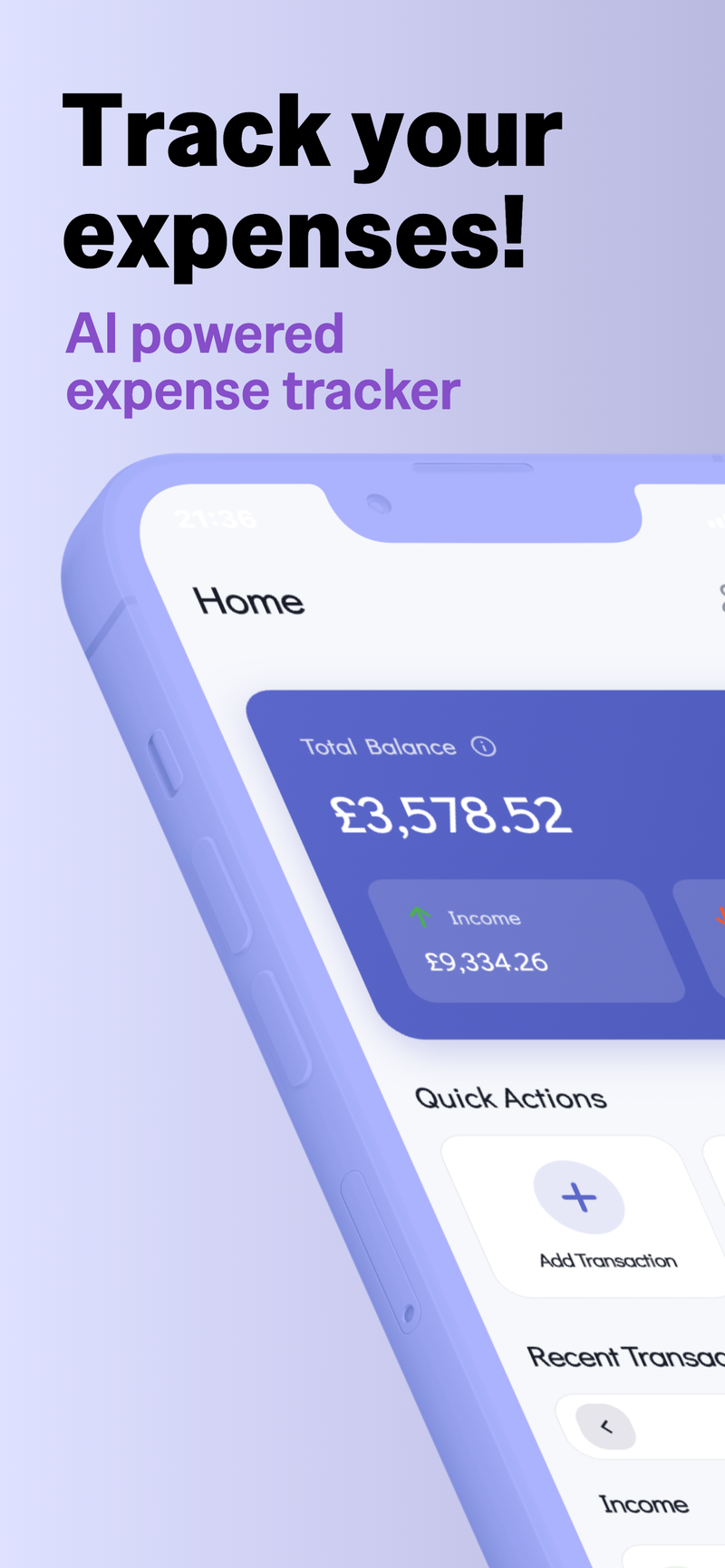
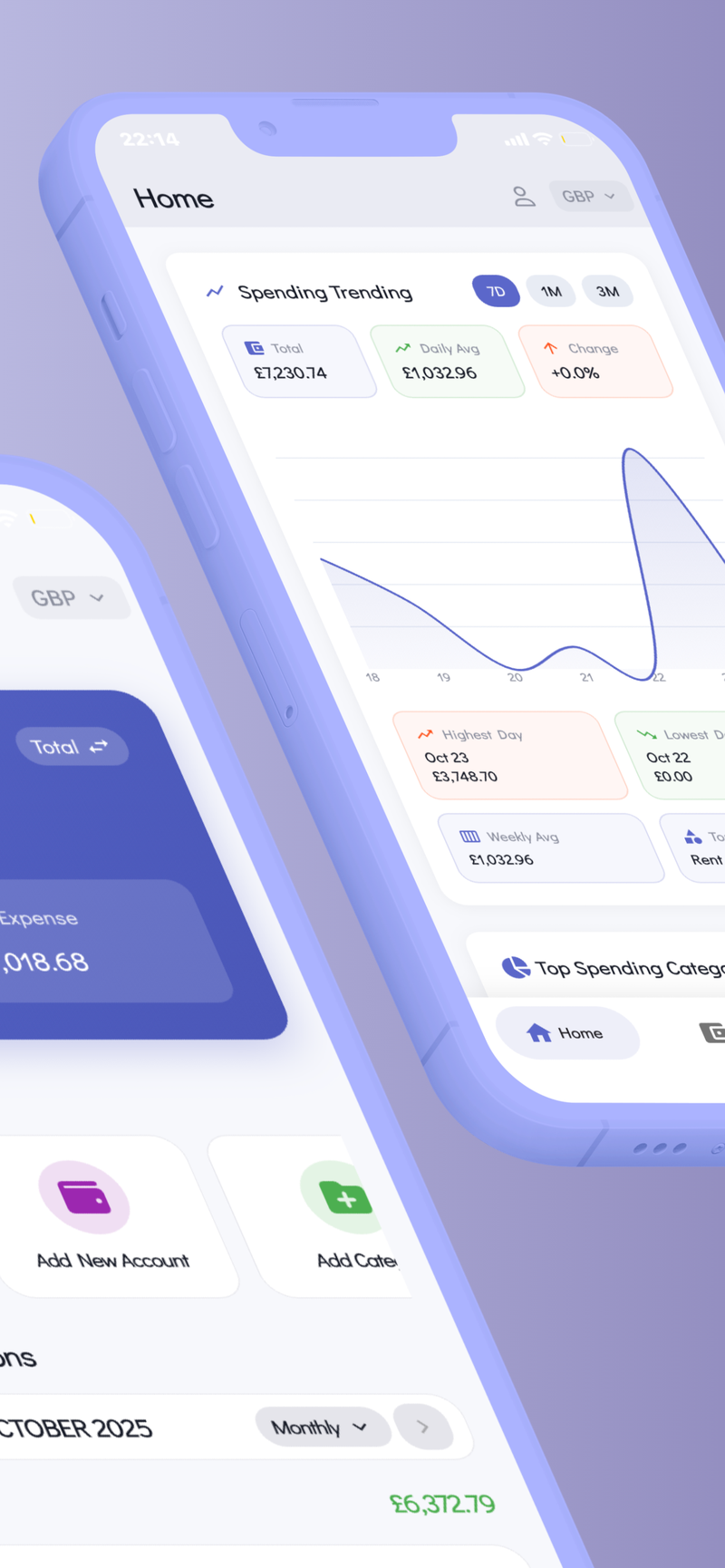
    If you’re looking for a privacy-first, on-device solution that keeps your data secure while you handle multiple budgets or family profiles, consider a budgeting tool designed around those principles. Fokus Budget offers privacy-centric on-device storage and multi-profile support to help you keep your finances organized without surrendering control. It’s a subtle, supportive option when you want a structured system that respects your privacy.
    Fokus Budget icon

    Fokus Budget

    AI-powered expense tracking

    Free • In-App Purchases
    GET
    Dashboard
    Analytics
    Transactions
    Categories
    Reports
    AI Receipt ScanningMulti-CurrencyBank ImportPrivacy-First

    Privacy-first on-device data storage

    Related Articles

    Fokus Budget

    AI-powered expense tracking