
·Health
8 Practical Strategies to Overcome Nicotine Cravings
Cravings can feel overwhelming, but eight practical strategies can reduce their power. Learn to delay, identify triggers, substitute rituals, and build a support system to boost your progress toward quitting smoking or vaping.
smoking cessationnicotine cravingsquit smokingvapinghealth
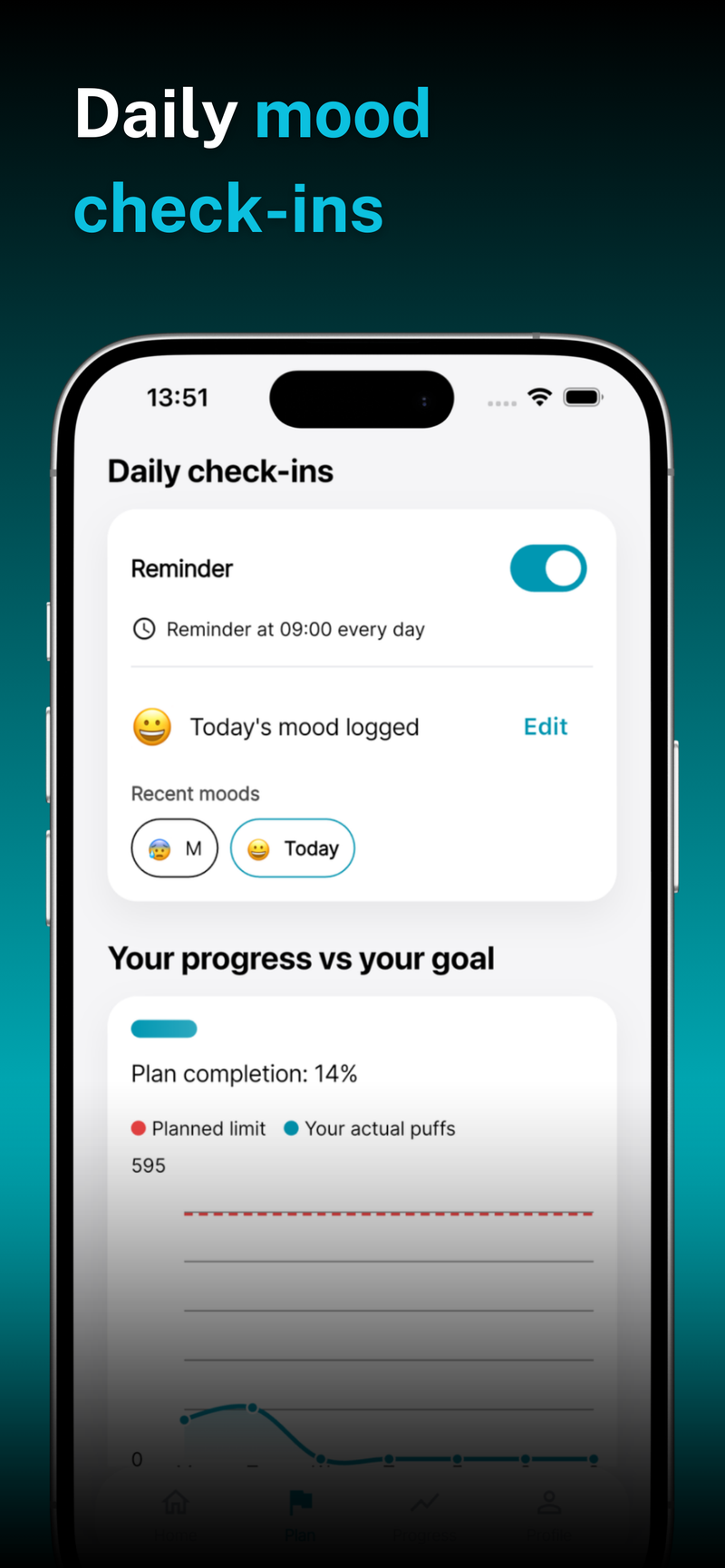
Introduction Cravings pop up when you least expect them. If you are trying to quit smoking or vaping, you are not alone. Your brain is learning new habits, and cravings are part of the process. Cravings often come in waves and tend to last a few minutes, though they can recur throughout the day. With practical, repeatable steps, you can reduce their power and stay on track. ## 8 Practical Strategies to Overcome Nicotine Cravings ### Strategy 1: Delay and Distract When a craving hits, practice the five minute rule. Tell yourself you will wait five minutes before acting. During that time, switch activities: sip water, do a quick stretch, take a short walk, or call a friend. Use distractions that don’t require you to sit with the urge. Cravings usually fade after a few minutes, especially if you break the pattern and shift your focus. - Set a timer for five minutes and walk away from the trigger - Do a small, purpose-driven task (wash a dish, tidy a shelf) - Keep a go-to list of quick distractions (breathing, chewing gum, a brief chat) ### Strategy 2: Identify Triggers and Plan Ahead Notice when cravings tend to rise. Is it right after meals, during a coffee run, or when you ride in the car? Create a simple cravings log: time, place, mood, and trigger. Then preplan alternatives for your top triggers. For example, after meals you might switch to tea and a brief walk. Having a plan in advance reduces decision fatigue when urges strike. - Track one week to map your triggers - Create a quick action for each major trigger - Prepare a small kit of crutch items (gum, mints, a stress ball) ### Strategy 3: Substitutes and Non-Nicotine Rituals Substitutes help reset the habit loop. Use non-nicotine rituals to replace the action of smoking or vaping. Hydration, oral substitutes, and ritual cues can all help. Try sugar-free gum or peppermint tea after meals, a quick hand exercise, or a short breathing cycle. The goal is to satisfy the brain’s craving for a ritual without nicotine. - Keep healthy substitutes within reach - Use a ritual cue to anchor the moment (a breath, a cup of tea) - Replace the physical action with a harmless activity for 2–5 minutes ### Strategy 4: Mindfulness and Breathing Techniques Mindfulness helps you observe cravings without acting on them. Practice quick grounding when urges rise. Try box breathing or the 4-7-8 pattern: inhale for 4 counts, hold for 7 counts, exhale for 8 counts. These techniques slow your heart rate and calm the urge. Regular short mindfulness breaks build resilience over time. - Pause, observe the urge, and name it without judgment - Do a 4-7-8 breathing cycle three times - Return to the present moment with a sensory check (notice five things you see, four you hear, three you feel) ### Strategy 5: Move Your Body Physical activity can interrupt cravings and release mood-boosting chemicals. Even a few minutes of movement can reset your brain’s craving circuitry. If you are at home, try a quick bodyweight circuit; if you are outdoors, a brisk walk or a short jog works well. Consistent movement improves impulse control, which helps with long-term quitting. - Do a 5–10 minute brisk walk or stair climb - Try a mini circuit: squats, pushups, and jumping jacks in sets of 30 seconds - Pair movement with a trigger cue (after lunch, during a commercial break) ### Strategy 6: Sleep and Routine Quality Poor sleep weakens self-control and makes cravings more persistent. Prioritize a regular sleep schedule and predictable routines. Small changes—like a consistent wake time, a wind-down routine, and avoiding late-night caffeine—support better decision-making and reduce the intensity of urges. - Aim for 7–9 hours of sleep most nights - Create a simple evening routine to unwind without screens - Keep regular meal times to stabilize blood sugar ### Strategy 7: Hydration and Nutrition Staying hydrated and eating balanced meals helps regulate mood and cravings. Dehydration can intensify withdrawal feelings, while erratic blood sugar can spike the urge to smoke or vape. Start your day with a glass of water, and choose fiber-rich foods that keep you full longer. - Drink water consistently throughout the day - Include protein and fiber at meals to stabilize energy - Limit alcohol and sugary snacks, which can trigger smoking or vaping urges ### Strategy 8: Build Support and Accountability A support system makes quitting easier. Share your goals with a friend, family member, or coworker, and schedule regular check-ins. Consider joining a support group or community where people share strategies and celebrate small wins. Accountability reduces the likelihood of relapse and reinforces progress. - Tell someone your quit date and goal - Schedule brief daily or weekly progress checks - Celebrate milestones, even small ones, with a non-smoking reward #### Quick note on withdrawal and care Withdrawal symptoms peak in the first week after quitting and cravings can occur many times a day. You are building new habits, and it takes time. If you ever consider nicotine replacement or other aids, discuss options with a healthcare professional to choose what fits you best. ## Conclusion The eight strategies above are practical, daily tools you can use to reduce cravings and strengthen your quit plan. Focus on delaying actions, identifying triggers, substituting activities, breathing through urges, moving your body, protecting your sleep, fueling with balanced nutrition, and leaning on supporters. Over time, cravings lose their power as your habits shift. If you are seeking a guided path to personalize this process, consider a tool that supports onboarding and personal setup to tailor your plan to your smoking or vaping habit. Quit Smoking & Vaping can help with this by offering onboarding and personal setup features to choose your product type, set your main goal, and create a timeline that fits your life. It is just one helpful option among many, but a structured approach can make a real diffe



Daily MotivationProgress TrackingHealth MilestonesMoney Saved
💪 Onboarding & Personal Setup