Introduction
Quitting can feel overwhelming when cravings, routine triggers, and mood swings pull you back. If you’ve tried going cold turkey or cutting vaping but found withdrawal tough, adding movement can be a game changer. Research shows that regular exercise can ease withdrawal symptoms, lift mood, improve sleep, and support sustained change. Even modest activity—think 150 minutes of moderate exercise per week—can make a real difference in how you feel day to day and in your ability to stay quit.
The science behind exercise and quit attempts
Cravings and withdrawal can spike during moments of stress or boredom. Movement helps interrupt the urge loop and provides a healthier ritual.Exercise boosts mood and energy by releasing endorphins and neurotransmitters that improve motivation and reduce irritability.Regular activity can improve sleep quality, which is often disrupted during quit attempts and can undermine willpower.Weight gain is a common concern after quitting; staying active helps manage body composition and appetite.Tip: Start with achievable targets and build up gradually. The goal is consistency, not perfection.
The 8-week plan (phases and practical steps)
Note: The plan emphasizes achievable activity, craving management, and habit formation. Adjust intensity to your fitness level and consult a clinician if you have health concerns.
Week 1-2: Build a baseline
Activity goal: 150 minutes of moderate exercise per week plus two short resistance sessions.Example: 30 minutes of brisk walking on five days, plus two 15–20 minute bodyweight workouts.Daily habits: Pick a consistent time slot, lay out gear the night before, and log activities.Craving coping: When a craving hits, try a 10-minute walk or a quick stretch sequence to shift focus.What to track: minutes active, mood before and after activity, and daily cigarette/puff count.Week 3-4: Add variety and a touch of intensity
Increase cardio: aim for 35–45 minutes on 3 days, with one interval session (e.g., 1–2 minutes faster pace, 2 minutes easy pace, repeat).Strength work: two 20–25 minute sessions focusing on major muscle groups (bodyweight or light dumbbells).Habit integration: add simple movement into daily routines (stairs, short walks during breaks).Craving toolkit: combine exercise with a short breathing routine (inhale 4, exhale 6) during urges.Week 5-6: Solidify habits and expand routines
Schedule: 4–5 days of activity, totaling roughly 180–210 minutes, plus two strength sessions.Mix it up: try a new activity (cycling, swimming, dance, or a yoga flow) to keep motivation high.Triggers plan: map your high-risk times (coffee breaks, after meals) and attach a quick activity (5-minute stretch, 10-minute brisk walk) to each.Sleep and recovery: prioritize 7–9 hours of sleep; use light activity on tougher days to aid recovery.Week 7-8: Maintenance and relapse prevention
Maintenance focus: keep a regular routine even on busy days; aim for 200+ minutes if possible while staying sustainable.Relapse planning: have a plan for higher-stress days (e.g., extra movement, shorter-but-sustained sessions, phone a support person).Urge surfing: treat cravings like waves—notice them, ride them without acting on them, and let them pass.Reflection: review your logs, celebrate small wins, and set a realistic next milestone.Practical tips for success
Choose enjoyable activities: walking with a friend, cycling, or a dance class increases adherence.Break it up: if 30 minutes feels daunting, try three 10-minute sessions spread through the day.Pair movement with cues: link workouts to existing routines (after lunch, after work) to reinforce habit.Use a simple log: note date, activity, duration, perceived effort, and smoking status for each day.Social support: enroll a workout buddy or join a local group to maintain accountability.Nutrition and hydration: stay hydrated; add balanced meals that support energy without triggering cravings.Craving management techniques that help during quit attempts
Urge surfing: acknowledge the urge, focus on breathing, and delay acting for 5–15 minutes.Quick activities: a 5–10 minute brisk walk or a set of lunges can dramatically reduce the intensity of cravings.Mindfulness breaks: 2–3 minutes of mindful breathing or a short body scan after a workout can reinforce calm.Hydration and snacks: water or a healthy snack can reduce the urge to vape or smoke.Sleep priority: good rest stabilizes mood and reduces the likelihood of turning to nicotine to cope.Track progress and stay motivated
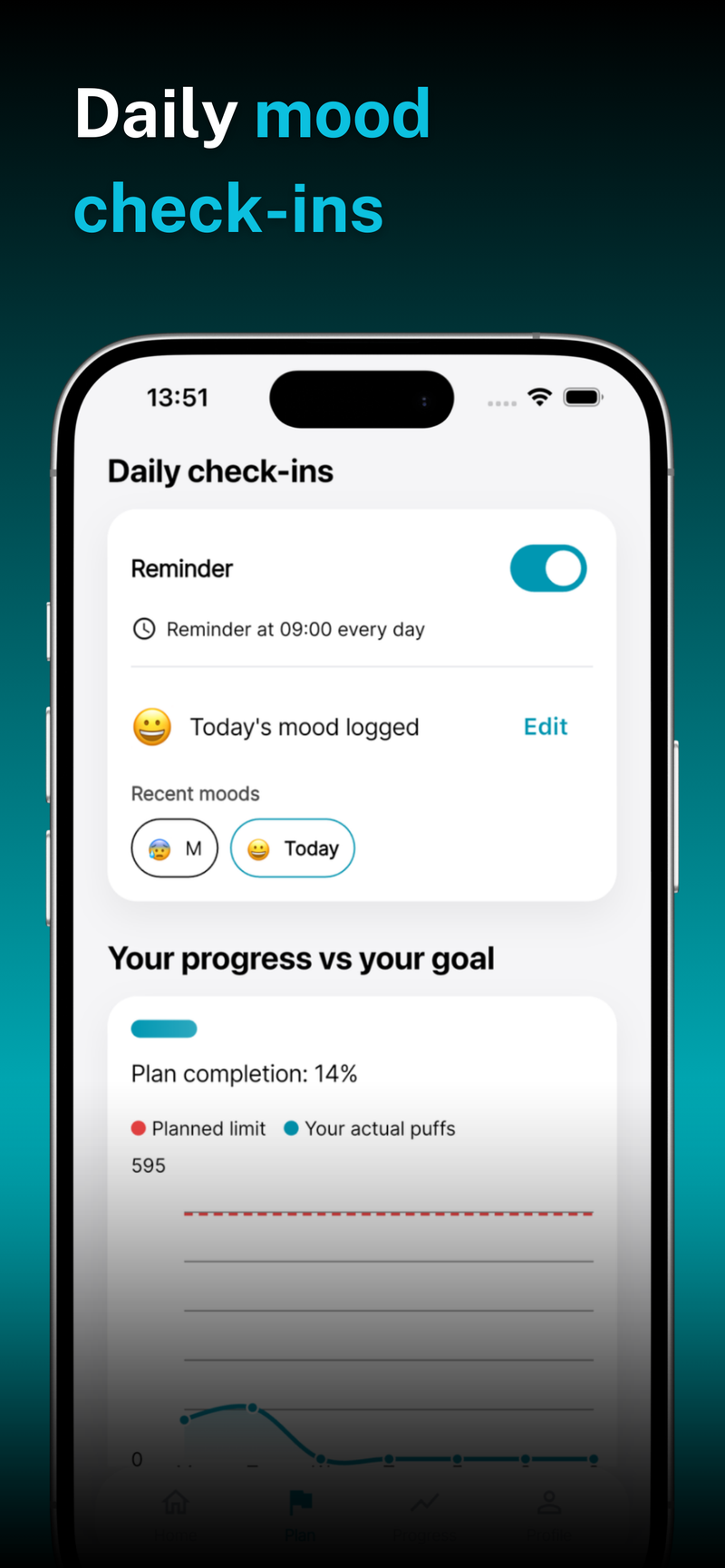
Weekly check-ins: rate your mood, energy, and cravings; note days with successful quit or reduced use.Celebrate milestones: small rewards for meeting weekly goals can reinforce consistency without undermining the plan.Adaptation: if you miss a week, adjust the plan rather than giving up; consistency over perfection builds resilience.Conclusion
If you stay patient, consistent, and curious about what movement does for your body and mind, you’ll likely notice fewer cravings, better mood, and steadier energy as you move through the quitting process. The eight-week framework above offers concrete steps to pair exercise with quitting, turning a tough process into a manageable journey.
If you’re looking for a guided start that aligns with this approach, Quit Smoking & Vaping can help you with onboarding and a personalized quit plan to keep you on track. Consider how a structured onboarding and plan setup could support your eight-week journey toward a healthier, nicotine-free routine.