Introduction
Are you tired of the cycle where money slips away before the month ends, leaving you stressed and unsure how to save for the future? A focused 90-day budget can feel doable while delivering real, lasting results. It’s not about drastic sacrifice; it’s about clarity, small wins, and building habits that stick long after the 90 days.
In many places, households are still navigating uneven paychecks and rising costs. Recent data show that the personal saving rate in the U.S. hovered around 4-5% in the last couple of years, well below the pre-pandemic highs. A short, well-structured period of focused budgeting can lift that number for your family by identifying waste, prioritizing saving, and creating a predictable rhythm for money decisions.
This guide walks you through a practical 90-day plan—concrete steps, realistic targets, and easy-to-implement habits you can keep for the long term.
Main Content
H2: Start with a clear 90-day target and a honest baseline
Track for at least 14–30 days to understand where every dollar goes. If that feels like a big lift, start with the previous 30 days and refine live.Categorize every expense into Needs ( essentials ), Wants (discretionary ), and Savings (emergency fund, debt payoff, future goals).Define a concrete savings target for the 90 days. For example, on a net income of $4,000 per month, aiming to save $1,200–$1,800 over 90 days is ambitious but achievable with small daily choices.H2: Build simple, effective budget buckets for 90 days
Create three buckets: 1) Essentials (Needs) – housing, food, transportation, healthcare.
2) Flexible (Wants) – dining out, entertainment, shopping, non-essentials.
3) Savings and debt payoff – emergency fund, sinking funds for irregular expenses, extra debt payments.
Target ratios adapt to your situation. A common starting point is 50% Needs, 30% Wants, 20% Savings. If saving is tight, shift toward 60/25/15, then move the saver portion up as you cut costs elsewhere.Use a 90-day planner to lock in the intent. Write down the exact dollar amount you want to move into savings by day 90.H2: Identify quick wins in the first 30 days
Cancel or pause unused subscriptions and memberships.Plan meals, cook at home, and prepare a simple weekly grocery list with price checks.Create a small energy-saving routine: turn off lights, lower thermostat a degree or two, air-dry clothes when possible.Review recurring payments (insurance, phone, streaming) and negotiate or switch to cheaper plans.Use cash-back or discount opportunities for essential purchases—without letting discounts tempt you to overspend.Track every large expense and ask: was this essential or a want? If it was a want, substitute or delay.H2: Set a realistic 90-day savings target and a guardrail plan
Instead of a vague goal, set a precise number. Example: if net income is $3,500/month, target at least $2,000 saved by day 90, plus an additional $500–$800 toward debt or sinking funds.Translate goals into weekly actions. For 13 weeks, that’s roughly $150–$300 saved each week, depending on your starting point.Build sinking funds for irregular costs (car maintenance, medical, annual subscriptions). This reduces the chance of derailing savings when the bills pop up.H2: Automate and simplify savings for 90 days
Set up automatic transfers to a savings account or sinking funds on the paycheck date or a fixed weekly cadence.Use a zero-based budgeting approach for the 90 days: every dollar has a job, including the dollars that go into savings.Keep a simple dashboard (one page) that shows income, total expenses, and savings progress. Weekly visibility beats yearly goals that you only check once a month.H2: Handle irregular income and life surprises
If income varies, use a baseline “must-have” expense sheet. Cover essentials first, then allocate savings with whatever is left.Use a safety margin in your plan by targeting a smaller savings amount in lean weeks and a larger amount in higher-income weeks.Reevaluate weekly rather than waiting until the end of the 90 days. Small corrections prevent bigger gaps later.H2: End of 90 days: reflect, celebrate, and reset
Review what worked and what didn’t. Which automatic transfers stuck? Which subscriptions did you cut that actually saved money? What was the actual impact on your emergency fund?Adjust your targets for the next phase. If you hit or exceeded your goal, you can raise the next 90-day target and keep the momentum.Translate the new habits into a monthly cadence: a 15–30 minute weekly review, a 60-minute monthly planning session, and a quarterly reset.H3: Data-backed perspective to keep you motivated
Short-term budgets are not about deprivation; they’re about clarity. With a clear 90-day plan, households can reduce impulse purchases by 40–60% and redirect that money into savings or debt payoff, according to common budgeting studies.Even modest, consistent savings builds a buffer that reduces financial stress and increases financial resilience during unexpected events.Conclusion
A 90-day budget is a powerful bridge between present-mear and future financial health. By starting with a baseline, creating practical buckets, seizing quick wins, and automating savings, you can build lasting habits without feeling overwhelmed. The key is consistency and a simple review rhythm that fits your life.
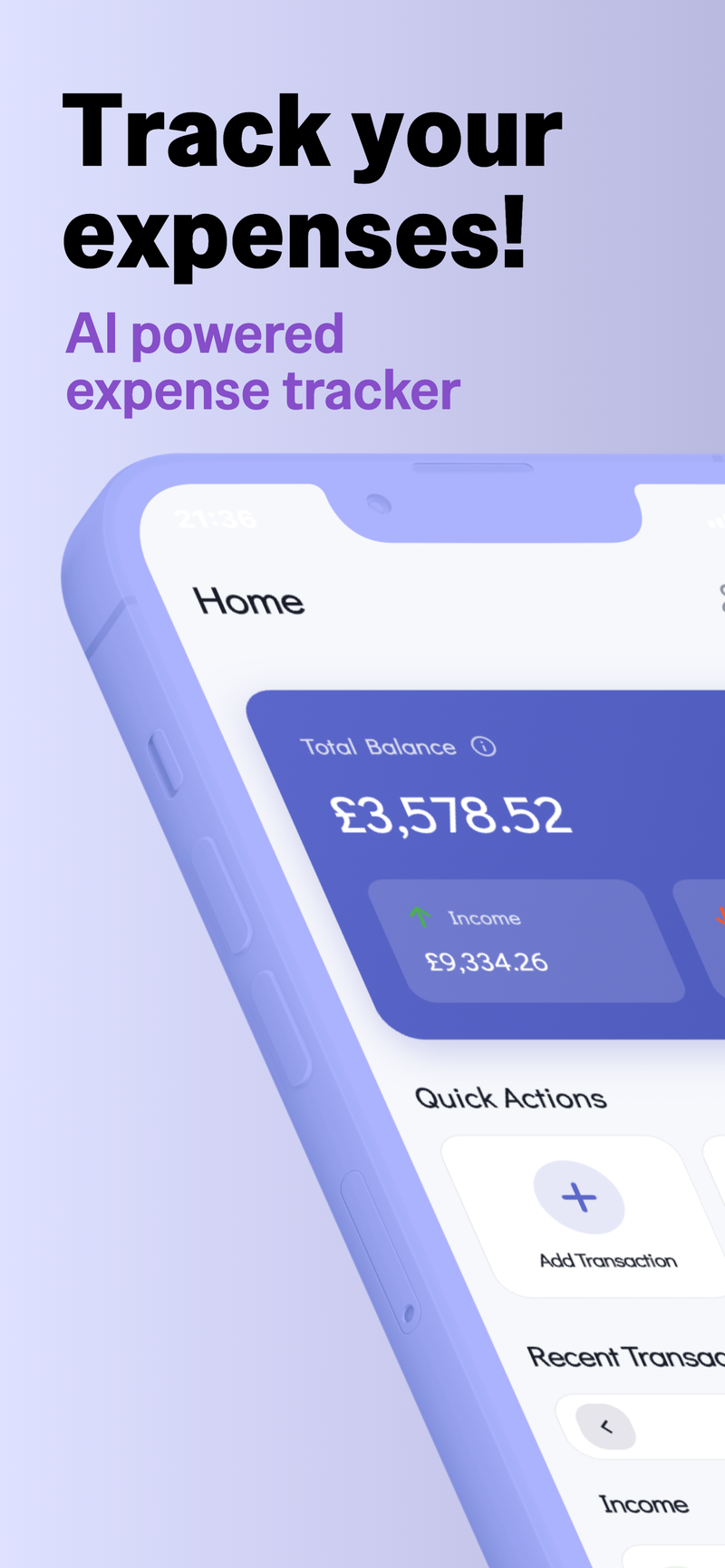
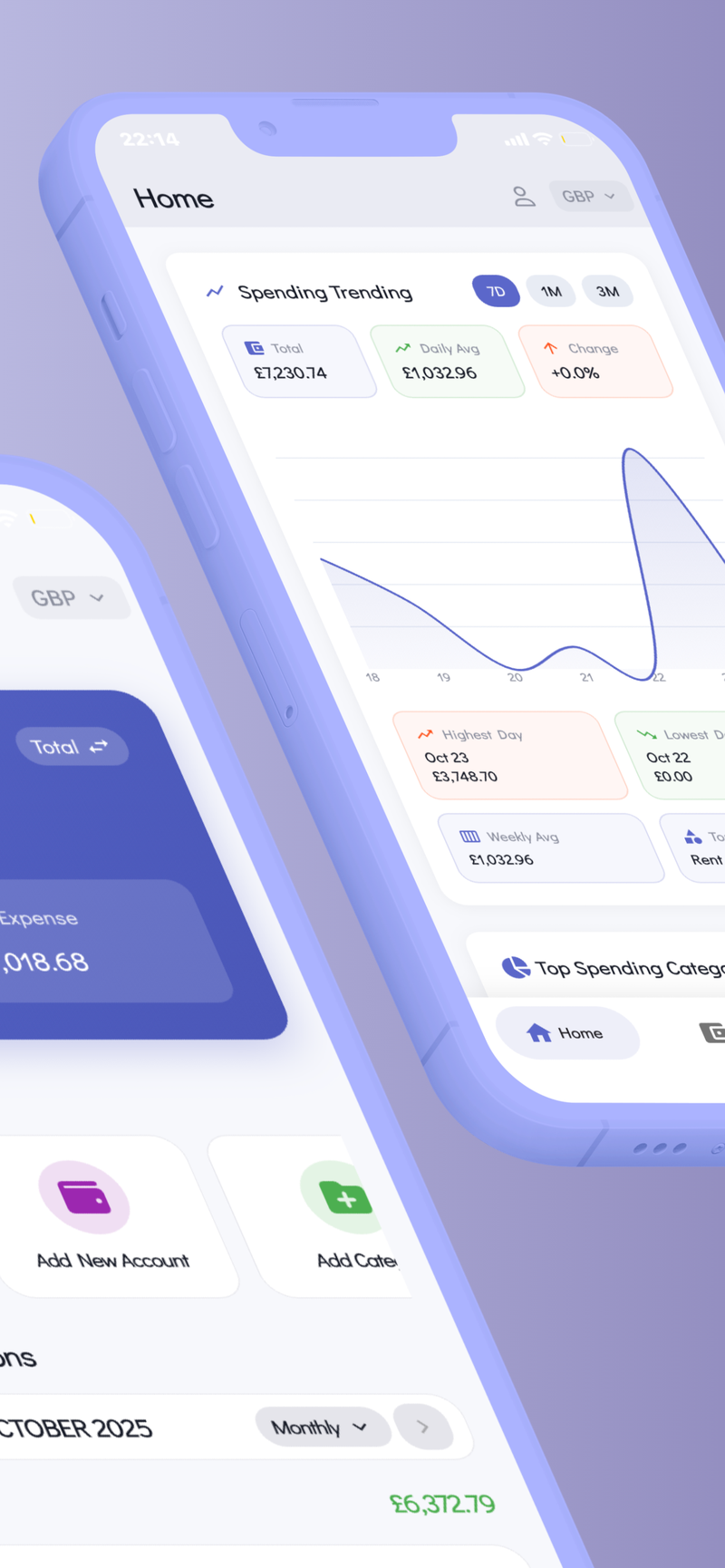
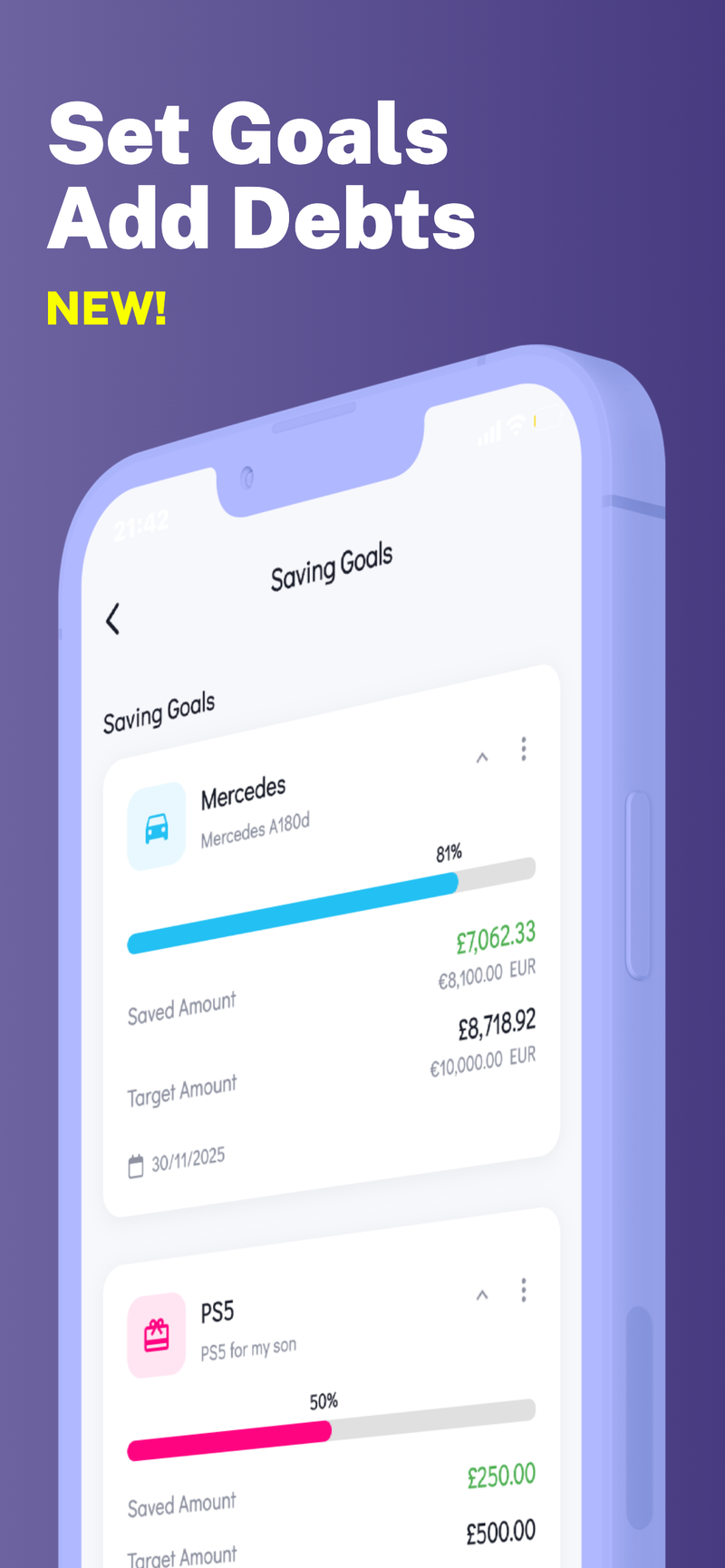
If you’re looking for a tool to help you keep this approach consistent—while keeping your data private and organized across multiple budgets or family members—consider Fokus Budget. It emphasizes privacy by storing data on your device and supports multiple profiles, helping you tailor budgets for you and your family without sacrificing control. A sensible budget, a little automation, and a reliable tool can make these 90 days the turning point toward real, lasting savings.