Introduction
Cravings for cigarettes or vapes can feel sudden, uncontrollable, and exhausting. You’re not alone if you’ve tried to quit or cut back and found the urges stubborn or seemingly endless. The good news: craving management is a learnable skill. By pairing awareness with small, intentional actions, you can reduce the power of urges and create a sustainable path to change.
This article outlines a practical, 30-day mindful habit plan designed to help you monitor, reduce, or quit altogether. It emphasizes tangible steps you can start today—without relying on willpower alone. The approach blends awareness, delay, substitution, and steady practice to shift the balance in your favor over a full month.
A 30-Day Mindful Habit Plan for Urge Control
This plan is designed to be adaptable. Pick your goal (monitor & reduce or quit), set a reasonable timeline, and follow the weekly focuses. Each week introduces small actions you can repeat, reflect on, and adjust as needed.
Week 1: Awareness and Delay
The first week is about knowing your triggers and building the impulse to pause.
Track triggers for a few days: note when you crave, what you were doing, and who you were with. This creates a map of high-risk moments.Practice urge surfing: when a craving hits, ride it like a wave for 60 seconds. Breathe, observe the sensation, and remind yourself it will pass.Apply a 60-second delay: after noticing an urge, delay your next puff by one minute. Use that minute to do something simple (grab water, stand up, stretch).Replace the action: when you feel the urge, reach for a non-smoking alternative (hydration, a quick walk, a finger-strengthening squeeze ball).Box breathing: inhale for 4, hold for 4, exhale for 4, and hold for 4. Repeat for a minute to calm the nervous system.Set a simple daily log: mark whether you smoked/puffed and what helped or didn’t help.Week 2: Substitutions and Sleep Hygiene
Cravings often fade when you disrupt the routine that follows them and support restorative sleep.
Add a healthy substitute routine: sip water or herbal tea, chew sugar-free gum, or chew on a straw with a mouthfeel similar to smoking without nicotine.Prioritize hydration and snacks that maintain steady blood sugar (protein-rich snacks, fiber). Cravings are sometimes tied to hunger or fatigue.Move intentionally: 10–15 minutes of light activity after meals or during a craving spike reduces urge intensity.Sleep matters: aim for consistent bedtimes and wake times. Poor sleep increases cravings and stress reactivity.Create a trigger-free bedtime ritual: dim lights, read a short chapter, or listen to soothing music to reduce evening cravings.Week 3: Stress Management and Social Triggers
Stress and social environments are common triggers. Build coping skills you can reach for in those moments.
Short stress-relief routines: 2 minutes of progressive muscle relaxation or mindful breathing when you feel overwhelmed.Plan ahead for social events: decide in advance how you’ll handle pressure or alcohol, and tell a supportive friend or family member your plan.Create a support network: identify one or two people you can check in with daily about cravings or progress.Replace hand-to-mouth rituals with harmless substitutes: a pencil, a fidget, or a stress ball during conversations or breaks.Reframe urges as information: note what the urge is telling you (a need for comfort, a cue to take a break) and respond with a calm action.Week 4: Consolidation and Maintenance
Solidify the habits you’ve built and plan for future challenges.
Review your log and identify patterns: which strategies helped most? Which triggers are still tricky?Tighten your goals: adjust your target timeline if needed and set a new milestone for ongoing maintenance.Prepare a relapse plan: if you slip, have a clear next step (revisit the urge-surfing technique, re-commit to the delay rule, reach out for support).Continue daily habits: maintain breathing exercises, hydration, and regular physical activity as core routines.Celebrate the wins: acknowledge days when you successfully managed cravings, and give yourself credit.Daily practices you can start now
Urge surfing for 60 seconds whenever a craving appears.Box breathing for 1–2 minutes (4-4-4-4).Hydrate and snack mindfully to maintain steady energy.Use a quick 2-minute grounding exercise (name 5 things you can see, hear, feel).Plan ahead for high-risk moments (morning wake-up, after meals, social events).Tracking progress and staying motivated
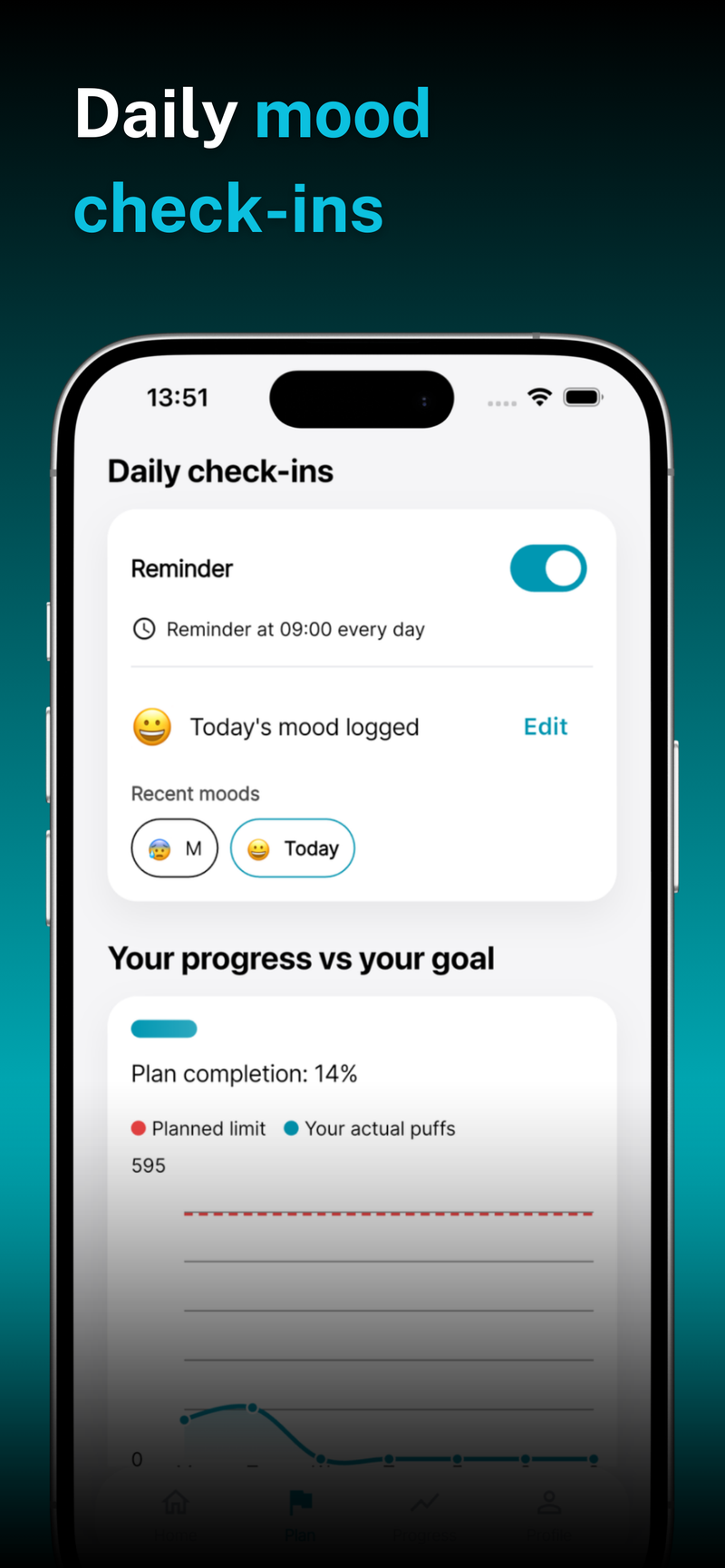
Keep a simple scorecard: mark days with successful urge management and identify which strategies worked.Rate craving intensity on a 1–10 scale for quick feedback on what reduces or intensifies urges.Review weekly: note which triggers persist and how you adapted to them.Practical data and expectations
Cravings typically peak within a few minutes and gradually subside, especially when you practice coping strategies.Behavioral strategies paired with social support tend to improve quit success compared with trying unaided.Small, consistent daily actions compound; a 30-day stretch of intentional practice often changes habit strength more than a single large effort.Conclusion
A mindful, structured 30-day plan can transform how you experience urges and support lasting change. By building awareness, delaying responses, and substituting healthier routines, you create space between impulse and action. You’ll likely notice not only fewer cravings, but also more confidence in managing them over time.
If you’d like a guided path to tailor this approach to your situation, consider a guided onboarding and personalized setup. Such a process helps you choose your product type (cigarettes or vapes), set your main goal (monitor & reduce or quit), pick a target timeline, and track your daily usage and spending. This kind of structured onboarding can