Fokus Budget

Fokus Budget

AI-powered expense tracking

·Budgeting

A 6-Step Plan to Stop Overspending and Budget Smarter

Feeling like money disappears before the month ends? This practical, six-step plan helps you stop overspending and budget smarter with trackable goals, disciplined frameworks, and monthly reviews. A thoughtful approach to money can restore calm and confidence in your finances.

personal financebudgetingfamily financesfrugal livingmoney-management

Introduction

Ever felt your paycheck vanishing before the month ends? You’re not alone. For many households, overspending isn’t about a lack of willpower; it’s a pattern built from small, day-to-day choices, easy to overlook until the month is already tight. The good news: with a simple, repeatable plan, you can tighten your grip on spending without sacrificing the things that matter.

The goal isn’t to freeze your life or cut every pleasure. It’s to create a predictable system where every dollar has a job, so you can save for emergencies, pay down debt, and still enjoy your everyday moments.

The 6-Step Plan to Stop Overspending and Budget Smarter

Step 1: Track your true spending


  • Track for at least a full month to see where money actually goes, not where you think it goes.

  • Gather receipts, bank statements, and digital subscriptions in one place.

  • Categorize expenses into needs, wants, and savings/debt payments. Look for leaks: impulsive buys, gym memberships you never use, or streaming services you forgot about.

  • Example: If your take-home pay is 4,000 a month and you notice 1,000 is spent on discretionary items you barely notice day to day, that 1,000 becomes your target for trimming or re-routing into savings.
  • Tips for quick wins:

  • Do a 7-day impulse-buy log. If you see three purchases you didn’t plan, you probably have a spending leak.

  • Use a simple one-page spreadsheet or a budgeting notebook. The goal is visibility, not perfection.
  • Step 2: Set clear goals and thresholds


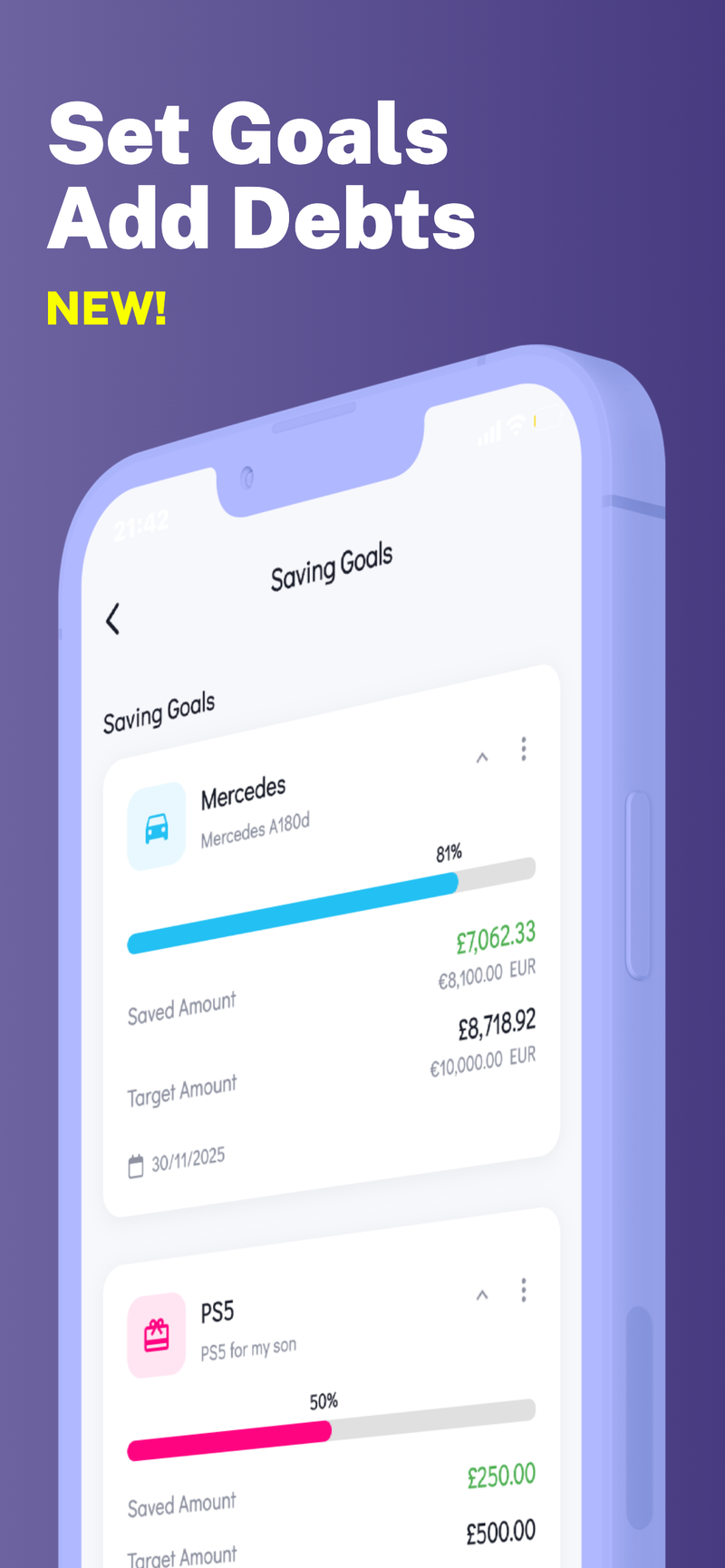
  • Define specific, measurable goals you actually care about: an emergency fund, debt payoff, a family vacation, or home repairs.

  • Make goals SMART: Specific, Measurable, Achievable, Relevant, Time-bound.

  • Example targets: emergency fund of 3 months of essentials within 18 months; debt payoff of 6,000 over 12 months.

  • Translate goals into monthly spending targets. If you want to save 300 a month, that means you must cut from somewhere or increase income by 300.
  • Why goals matter: clear targets help you resist spontaneous spending and give you a compass for every purchase decision.

    Step 3: Choose a budgeting framework that fits your life

    Three practical frameworks to consider:

  • 50/30/20: 50 needs, 30 wants, 20 savings/debt. Simple and flexible.

  • 3-jar method: Allocate funds into three envelopes or digital jars for needs, wants, and savings. When a jar is empty, you pause spending in that category.

  • Needs/Wants/Savings with a debt lift: Prioritize high-interest debt first, then savings, then wants.
  • Pick one framework and stick with it for at least a quarter. The key is consistency, not perfection. Tailor the percentages to your reality—some families live on 40/30/30 due to rising housing costs; others can push savings higher when groceries and transport are predictable.

    Step 4: Audit and trim discretionary spending

    Discretionary spending often inflates quietly. Here’s a targeted approach:

  • Grocery and meal planning: plan weekly menus, batch cook, and buy in bulk for staples. Use a per-meal budget to avoid overspending at the store.

  • Subscriptions: perform a quarterly audit. Cancel unused services and look for cheaper alternatives. Consider sharing plans with family members where appropriate.

  • Transportation: carpool, public transit, or biking can cut fuel and maintenance costs; set a monthly cap for discretionary transport expenses.

  • Entertainment and dining: set a monthly cap and seek low-cost alternatives like community events or cook-at-home nights with friends.

  • Delay impulse purchases: implement a 24-hour rule before buying non-essentials. If you still want it tomorrow, evaluate the true value it adds.
  • A practical win: trim just 10–15% of discretionary spending over a few months often frees up meaningful room for savings or debt reduction.

    Step 5: Automate wisely and add friction where it helps

    Automation can protect your goals, but friction can curb impulse.

  • Automate savings: set up automatic transfers to a separate savings account first thing after payday.

  • Automate essential bills to avoid late fees, but review them for value every few months.

  • Use hard spend caps for discretionary categories. If you overshoot, you pause nonessential purchases for that week.

  • Create friction for impulse buys: remove saved card details from shopping sites or enable a 24-hour cooling-off period for online purchases.
  • Automation should serve your plan, not replace a thoughtful decision process. Regular check-ins help you adjust the automation if your life changes (new job, expanded family, relocation).

    Step 6: Review, adjust, and celebrate small wins


  • Schedule a weekly 15-minute budget review. Track variances, update your forecast, and move any surplus toward savings or debt.

  • At the end of each month, compare actuals to plan. Identify which categories consistently miss the mark and adjust. If you consistently under-spend in a category, you can reallocate; if you overspend in a category, consider raising its cap slightly and tightening elsewhere.

  • Celebrate progress, not perfection. Small wins—like hitting a savings target or paying down a chunk of debt—build momentum and confidence.
  • Real-world tip: keep a single running note of lessons learned each month. Those notes become your personal playbook and reduce the time you spend re-creating your plan each month.

    Conclusion

    Mastering a budget isn’t about deprivation; it’s about clarity, consistency, and tiny, repeatable actions that compound over time. Track what you actually spend, choose a framework that fits your life, trim unneeded costs, automate toward your goals, and review regularly. With discipline and the right structure, you can stop overspending and budget smarter without sacrificing your everyday quality of life.

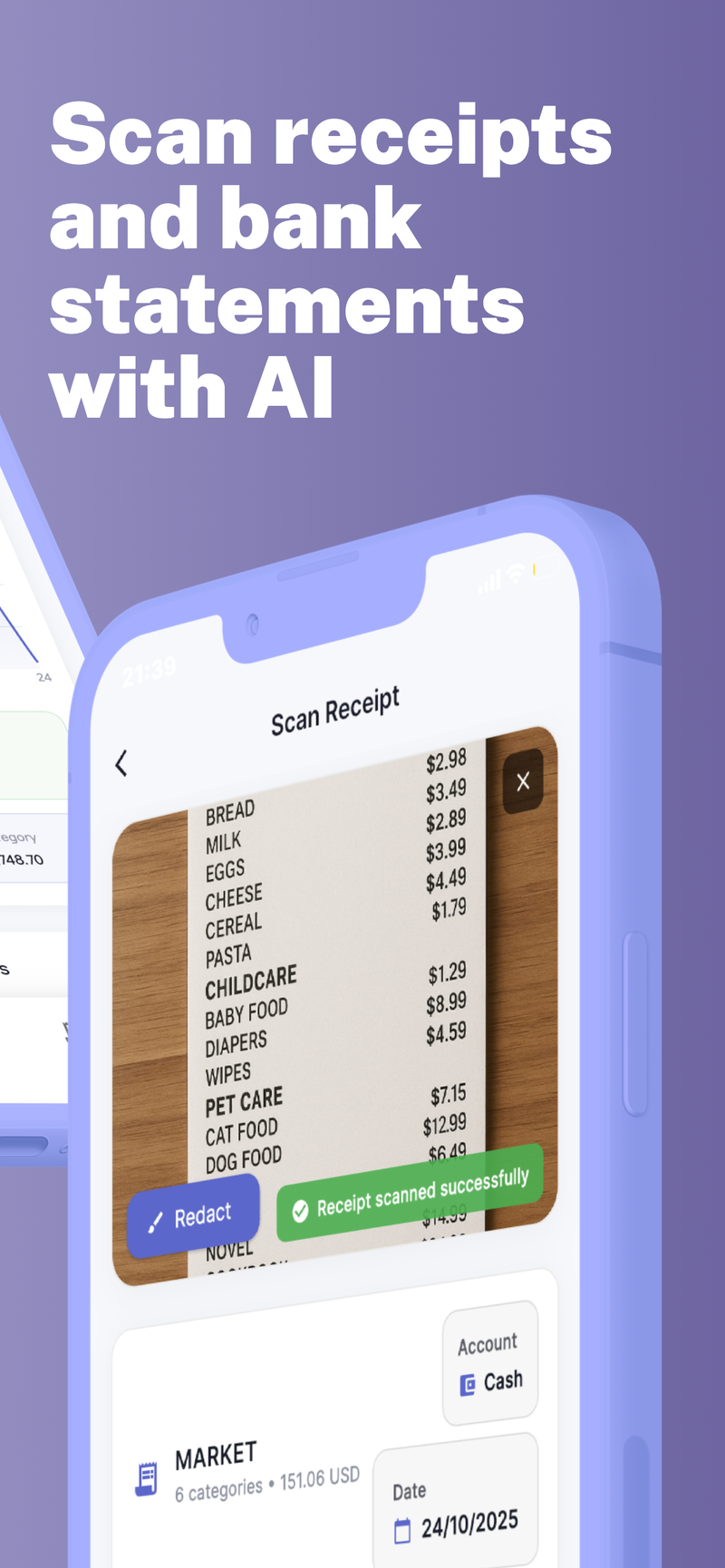
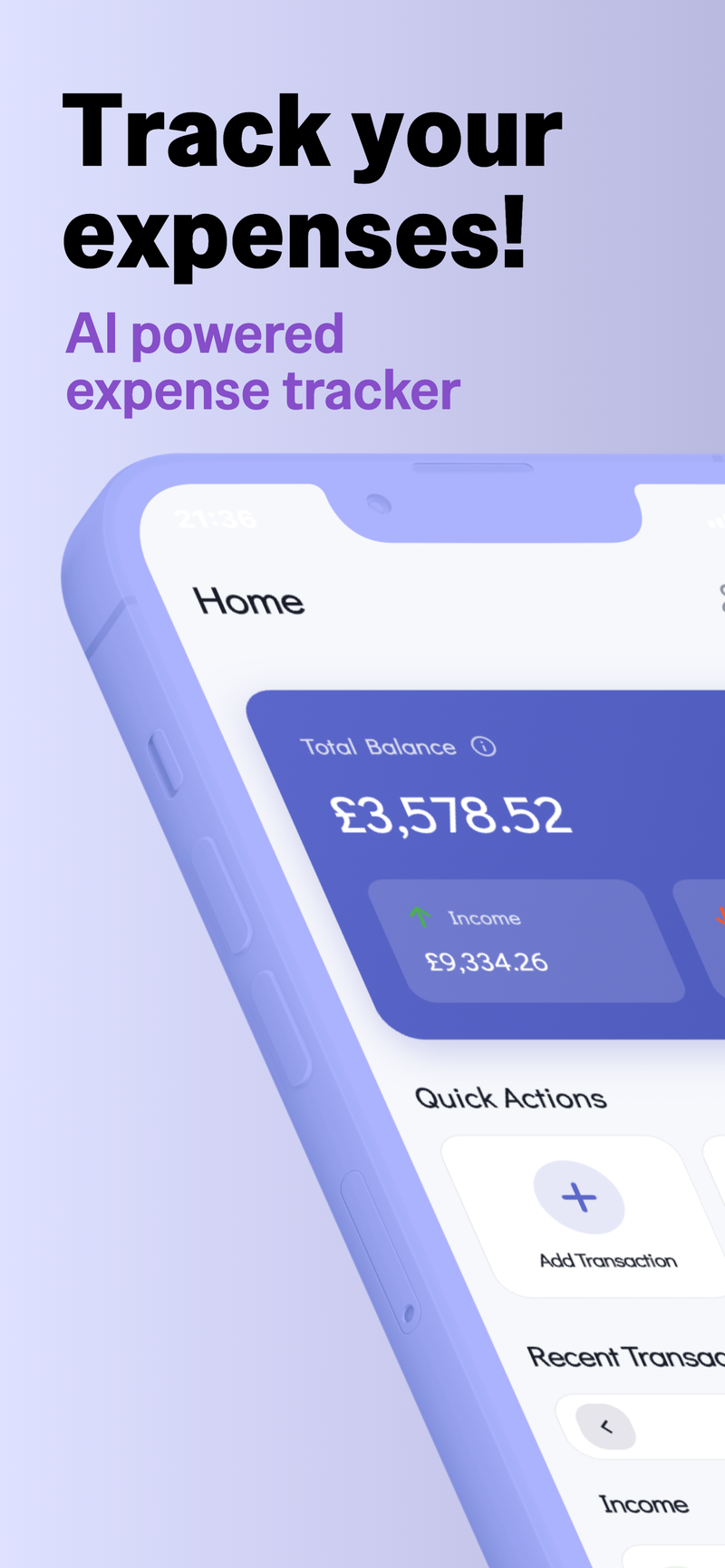
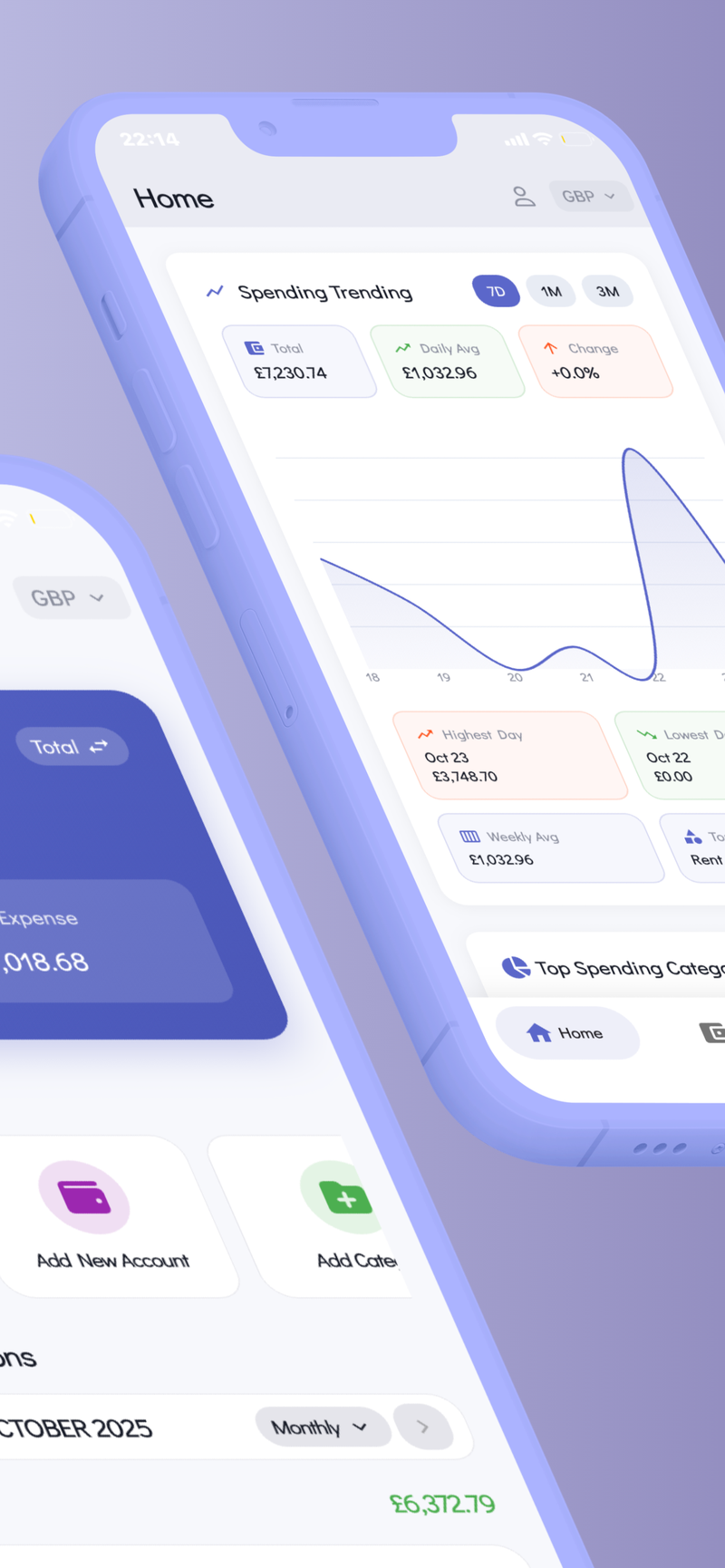
    If you’re looking for a private, user-friendly tool to support this exact approach, Fokus Budget can help. It emphasizes privacy by keeping data on your device and supports multiple
    Fokus Budget icon

    Fokus Budget

    AI-powered expense tracking

    Free • In-App Purchases
    GET
    Dashboard
    Analytics
    Transactions
    Categories
    Reports
    AI Receipt ScanningMulti-CurrencyBank ImportPrivacy-First

    Privacy-first on-device data storage

    Related Articles

    Fokus Budget

    AI-powered expense tracking