Introduction
Cravings can feel like a stubborn roommate: unpredictable, loud, and hard to ignore at the worst moments. If you’ve tried a strict quit date or a rigid plan in the past, you’ve probably noticed that willpower alone isn’t enough. The goal here is not perfection, but progress—built on a flexible approach that respects your real life, stress, and everyday moments.
Understanding nicotine urges
What an urge really is
An urge is a surge of desire tied to a cue—an after-meal coffee, a stressful phone call, a social event, or simply the habit of reaching for a cigarette or vape. Urges are powerful, but they are also finite; most cravings peak within minutes and fade, especially when you intervene with a strategy that fits the moment.
How long cravings last
Cravings tend to be strongest in the first days after a change and can linger in the background for weeks. Research suggests withdrawal symptoms peak in the first week and gradually ease, but small cravings can recur for months. A flexible toolkit helps you respond without feeling forced into a single rigid path.
A flexible, holistic plan
1) Define your goal with nuance
Option A: monitor progress and reduce nicotine use over time.Option B: quit completely, but with a staged timeline.Choose a target timeline that’s realistic for you (weeks or months) and allow for adjustments based on how you feel.Remember: small, steady shifts beat all-or-nothing ultimatums.2) Build a craving toolbox you can pick from
Think of it as a menu, not a mandate. Examples include:
Delay technique: when the urge hits, wait 5 minutes before acting. Cravings often pass or fade with that pause.Quick movement: 2–5 minutes of brisk walking, jumping jacks, or a short stretch routine.Hydration and snacks: water, herbal tea, or a crunchy fruit to shift the focus.Mindfulness and breathing: a simple box breathing pattern (inhale 4, hold 4, exhale 4, hold 4) for a minute.Urge surfing: notice the urge, describe it without judgment, and let it ride out like a wave.Sensory substitutes: ice cube hold, peppermint scent, or a textured object to occupy the hands.3) Map your triggers and plan flexible responses
Create a simple trigger map:
Trigger: after meals → response: drink water, take a short walk, or rinse mouth with mouthwash.Trigger: coffee break → response: switch to tea, chew gum, or do a quick stretch.Trigger: social gatherings → response: have a buddy you can check in with, or plan a brief exit strategy.4) Stage goals in daily life, not just milestones
Build routines that reduce stress and craving windows (short workouts, regular meals, consistent sleep).Plan “micro-goals” each day (e.g., two nicotine-free meals, one urge-surfing session, one hydration moment).Practical, ready-to-use strategies
Delay the urge: set a 5-minute timer when cravings arrive. Most urges ease or vanish with a deliberate pause.Move to disrupt memory cues: a 10-minute walk or a quick chore can break the automatic behavior pattern.Refill the ritual: replace a cigarette or puff with a small, satisfying ritual (sipping a hot beverage slowly, a short breathing exercise, or a brisk stretch).Hydrate and nourish: dehydration and low blood sugar can intensify cravings. Keep water handy and eat balanced snacks regularly.Use social support, mindfully: tell a trusted person about your plan and check in when cravings spike.Track progress with kindness: note the situation, your intensity (1–10), and what helped. This builds insight without judgment.Daily rituals that support change without rigidity
Morning start: a 5-minute breathing practice and a healthy breakfast to stabilize mood.Stress-aware evenings: a wind-down routine that reduces evening nudges toward nicotine.Flexible social scripting: have a brief exit line ready for situations that tempt you.Celebrate increments: reward yourself for nicotine-free hours or days with simple, meaningful rewards.Tracking progress with compassion
Keep a short log: date, trigger, urge level, action used, result.Focus on trends, not perfection: notice what consistently helps and what doesn’t, and adjust.Acknowledge setbacks as learning: a slip is a data point, not a failure. Use it to sharpen your toolbox.Measure value beyond the scale: money saved, improved sleep, better concentration—these are powerful motivators.Real-world considerations
Cravings often respond to structure: a little planning reduces the impulse to act on impulse.Nicotine withdrawal varies by person: what works for one may feel too intense for another. Your plan should adapt to you, not the other way around.Long-term success hinges on sustainable habits: the aim is to embed healthier routines that endure when motivation wanes.What to do when a craving feels overwhelming
Pause, breathe, and name the urge: “I’m craving nicotine,” then let it pass.Use a quick distraction: a phone note, a short puzzle, or a brisk 2-minute chore.Reach out if you need support: a friend, family member, or a professional can help you stay on course.Conclusion
Quitting or reducing nicotine isn’t about rigid rules; it’s about a responsive, compassionate approach that fits real life. By understanding urges, building a flexible toolbox, mapping triggers, and tracking progress with kindness, you can lessen dependence without feeling overwhelmed.
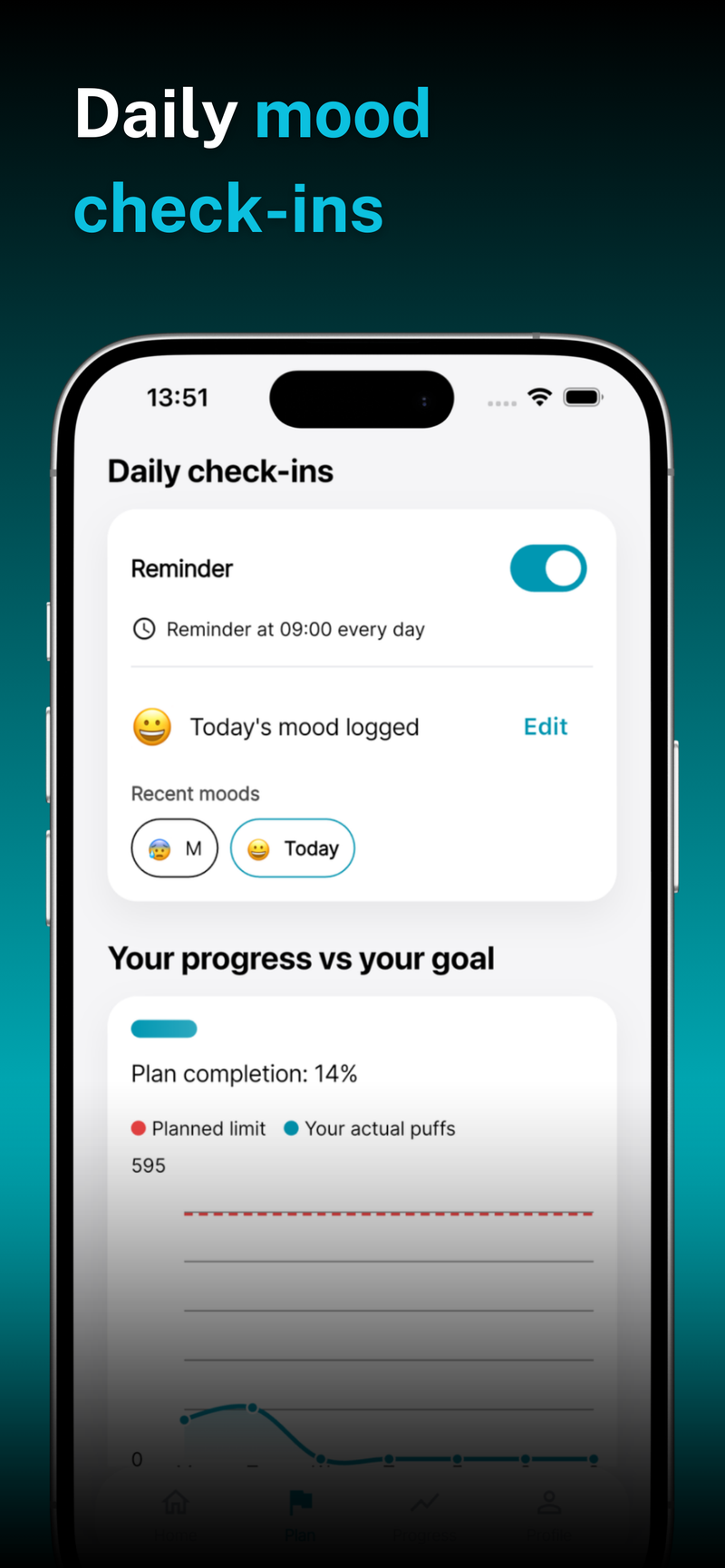
If you’re looking for practical support to implement a flexible plan, Quit Smoking & Vaping can help with onboarding and personalized plan setup. This approach emphasizes an individualized path, starting with how you want to monitor or quit, and tailoring steps to your everyday life. Onboarding and personal setup can help you create a plan that respects your pace while guiding you toward your goals.