Introduction: Why a 4-week plan can feel doable
If you’ve tried to quit before and felt overwhelmed, you’re not alone. Quitting is less about willpower and more about shaping real-life routines that support you. A four-week plan gives you a clear, manageable horizon, plus room to adapt as cravings shift and life happens. With the right structure, small wins compound into lasting change.
H2: Start with a clear, realistic goal
Your plan should reflect your situation, not someone else’s. Decide:
Are you trying to quit entirely or reduce gradually while tracking progress?Do you want to quit cigarettes, vaping, or both?What’s your target date within the next four weeks?How many days per week and how many units (cigarettes or puffs) do you currently use?Having concrete answers helps you design a plan you can actually follow. Be specific about your quit date, daily targets, and the environments you’ll avoid or modify.
H2: Week-by-week blueprint you can actually follow
Week 1: Prepare, set a date, and start small changes
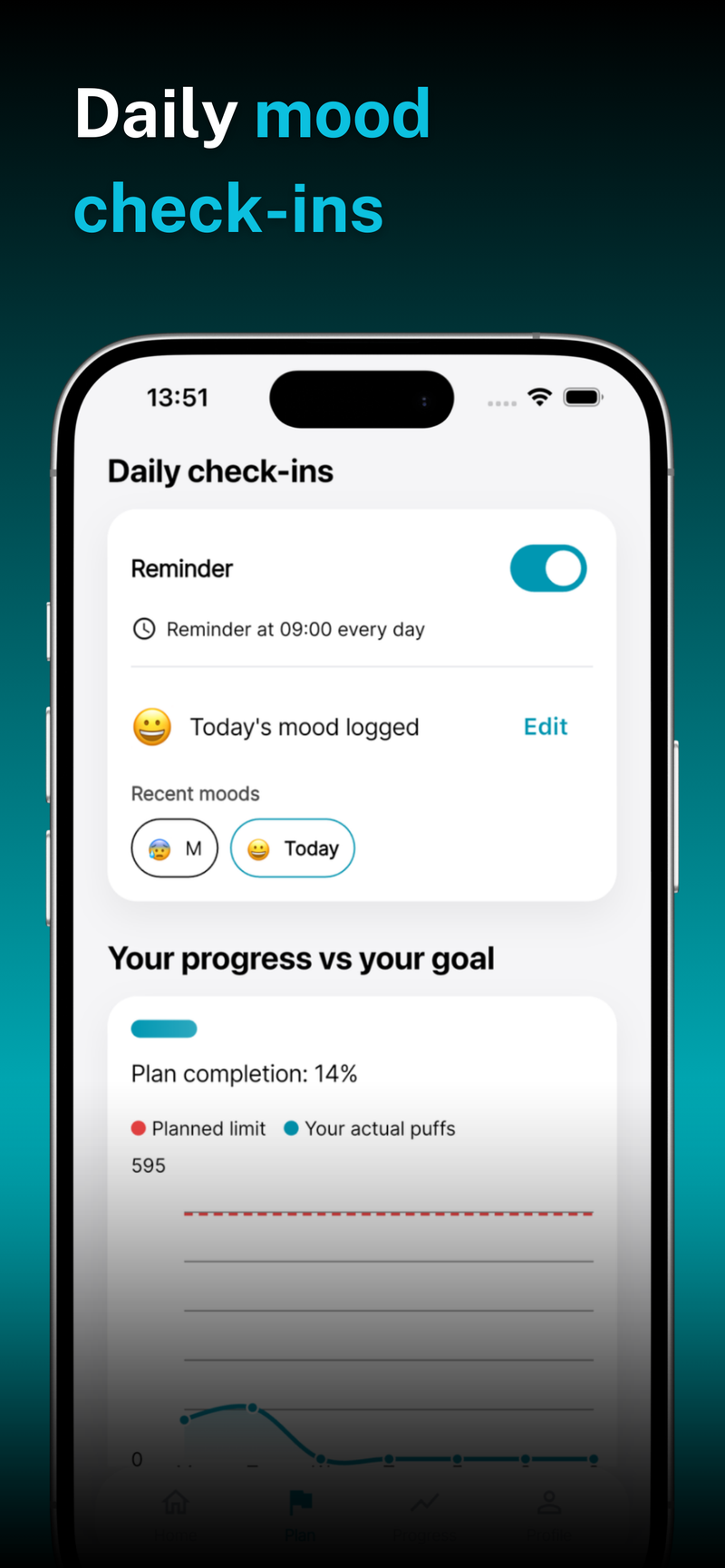
Pick your quit date within the next 7 days if you’re going for full quitting, or establish a steady reduction target for the week.Remove obvious triggers: delete smoking cues from your routine, restock with non-nicotine substitutes, clean up smoking or vaping gear.Create a craving toolkit: 5-minute delay, water or tea, a quick walk, or a chat with a friend.Track cravings and mood in a simple log (time, intensity 1-10, what happened).Week 2: Reduce or abstain more consistently
If quitting entirely, push to complete abstinence on your chosen date. If reducing, shave off another 25% of your baseline daily use.Add a daily activity you enjoy that replaces the smoking moment (short walk after meals, quick stretch, or a brief hobby).Start basic stress management: 5 minutes of breathing exercises when cravings hit.Week 3: Expect bumps, adapt tactics, and strengthen routines
Reinforce your coping toolkit: craving delay, hydration, and light physical activity.Anticipate social triggers (bars, parties, meals with friends who smoke) and plan alternatives.Build a simple reward system for days without nicotine: a favorite coffee, a movie night, or a small treat after dinner.Week 4: Solidify the habit and plan for the future
Focus on sustaining the change you’ve made. If you relapsed, analyze the trigger, adjust your plan, and reset your timeline.Create a relapse prevention plan: identify high-risk situations and your 2-3-step response, like calling a friend or taking a brisk walk.Schedule a weekly check-in with yourself to review what worked and what needs adjustment.H2: Craving management toolkit you can rely on
Delay and disrupt: wait 5 minutes, then reassess. Most cravings peak within 3–5 minutes.Hydration and routine: drink water, nibble on celery sticks, or chew sugar-free gum.Quick physical reset: 2–5 minutes of brisk walking or a few bodyweight squats.Mindfulness: a minute of focused breathing or a body-scan helps reduce emotional triggers.Substitutes and comfort: use a non-nicotine item that provides oral or hand-to-mouth engagement.Sleep and nutrition: prioritize steady meals and restful sleep to reduce irritability.H2: Track progress, stay accountable, and celebrate wins
Keep a simple daily log: mood, cravings, number of nicotine units used, and a yes/no for abstinence.Set micro-goals: each week, hit a clear target (for example, 7 smoke-free days or a 25% reduction).Acknowledge small wins: a day without nicotine, choosing a healthy alternative, or resisting a trigger.Review weekly: what changed, what surprised you, and what still feels hard.H2: Consider the financial and social angles
Money matters: if you smoke or vape 8 units per day and spend about 8 dollars per unit, you could save roughly 56 dollars a week by quitting or eliminating a portion of usage.Social dynamics: plan for social settings by bringing non-nicotine alternatives and setting clear boundaries with friends who smoke or vape.Health payoff: even modest reductions can lower heart rate and blood pressure over time and improve sleep quality.H2: Practical tips to reduce relapse risk
Build a predictable daily routine with fixed wake, meals, and bedtime times to reduce idle moments that invite nicotine use.Use exposure control: avoid or modify places where you’re most tempted.Seek a support system: a friend, family member, or peer group can provide accountability and encouragement.If you use pharmacotherapy, consult a clinician about appropriate options and dosing; combining behavioral strategies with medication often improves success.H2: When to seek help and how to maintain momentum
If cravings feel unmanageable, or you notice your usage creeping back, consider professional guidance or structured cessation programs.For long-term success, plan for stress periods and life changes by adding more coping strategies and adjusting goals accordingly.Conclusion: put a realistic, repeatable plan in place
A four-week quitting plan works best when it fits your life, not the other way around. Build your plan with clear dates, practical coping strategies, and a simple tracking method. By focusing on small, repeatable actions, you change the daily patterns that keep nicotine in your life. If you’d like a guided path that emphasizes onboarding and personal setup—helping you choose your product type, set your main goal, and tailor a weekly plan—explore a program designed around onboarding and personal setup. Quit Smoking & Vaping can support this approach, with Fokus Puff's user-facing features to help you stay on track and build lasting habits.