Introduction
Quitting nicotine is a bold choice, but it’s also a practical one when you build a plan you can actually follow. Many people struggle not because they lack willpower, but because they try to tackle a habit without a clear structure for the first 30 days. The goal here is to replace guesswork with a realistic framework—one that fits your daily life, your triggers, and your finances.
Think of this as a blueprint you can tailor. It focuses on steady progress, detects early slips, and builds skills you’ll carry beyond a month. You’ll learn to manage withdrawal, cope with cravings, and celebrate small wins that add up over time.
30-Day Plan: A Practical Blueprint
This plan is broken into four weeks. Each week builds on the previous one, with concrete actions, quick wins, and simple metrics to track your progress.
Week 1: Foundation and Clarity
Day 1 — Define your main goal and set a date: quit entirely or reduce gradually. Write it down and share it with one supportive person.Day 2 — Track baseline usage and cost: note how many cigarettes or puffs you typically have and roughly what you spend weekly. Seeing the numbers can boost motivation.Day 3 — Map your triggers: morning coffee, stress at work, social events, or after meals. Write down at least three common triggers.Day 4 — Build a small cravings toolkit: delay (5 minutes), drink a glass of water, take 2–3 deep breaths, or take a brisk 5–10 minute walk.Day 5 — Plan substitutes for rituals: swap the cigarette or vape with a routine activity (tea break, quick stretch, short walk).Day 6 — Tell your social circle your plan and ask for support during high-risk moments.Day 7 — Review the week: what worked, what didn’t, and adjust your plan for Week 2.Tip: Withdrawal symptoms often peak in the first 24–48 hours and can last 2–4 weeks. Expect ups and downs, and prioritize consistency over perfection.
Week 2: Build Coping Skills
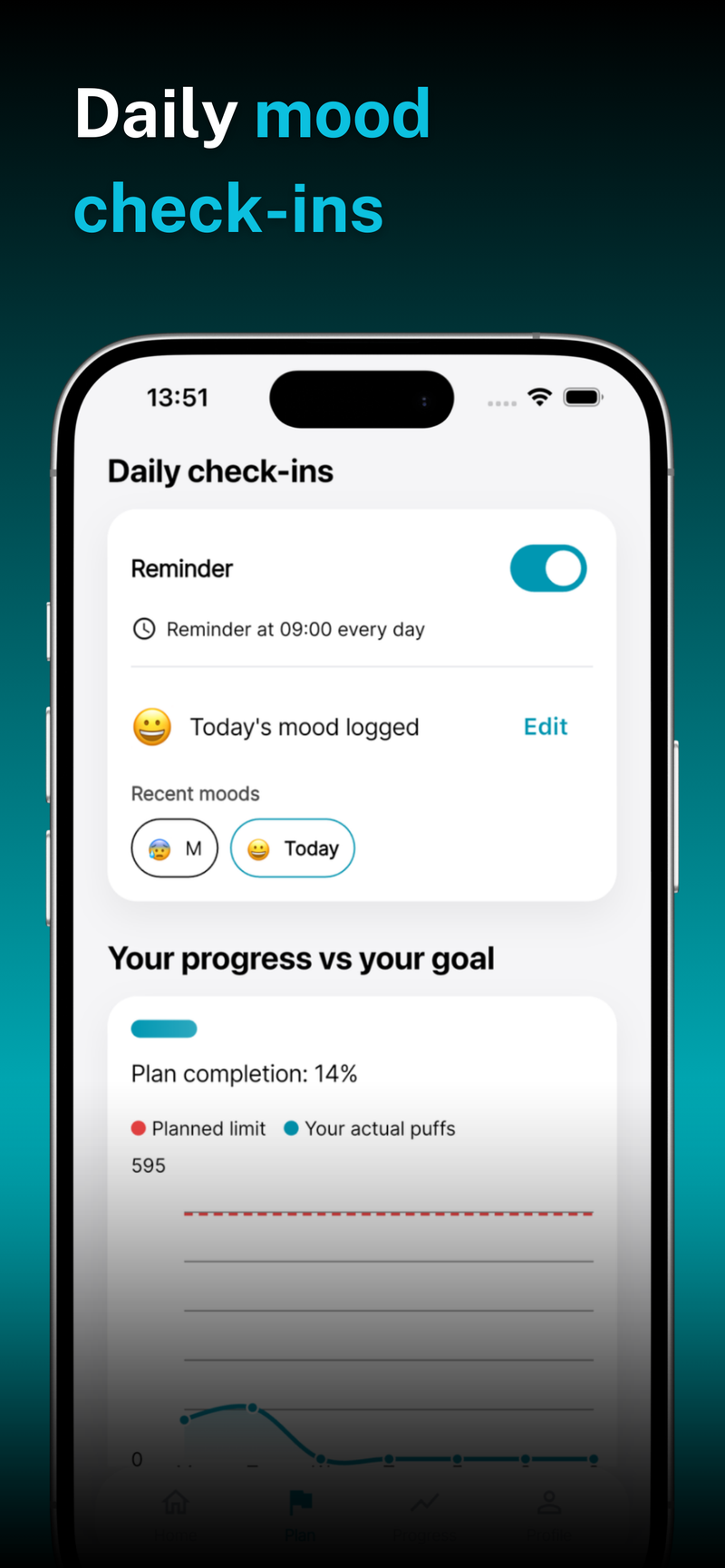
Focus on a daily craving window: identify when cravings are strongest and plan a specific action for that time.Expand your toolkit: add healthy snacks, a brief workout, or a short mindfulness exercise to ride out urges.Consider evidence-based aids if appropriate: pharmacologic options (like nicotine replacement therapy or other medications) can double quit success rates for some people when used with behavioral strategies. Always consult a healthcare professional before starting any therapy.Maintain a daily log: note craving intensity (1–10), what helped, and whether you relapsed. Use the data to refine triggers and responses.Week 2 checkpoint: aim to reduce daily nicotine use by a small amount (for example, one fewer cigarette or a few fewer puffs) and observe how your body responds.Week 3: Solidify Healthy Routines
Create a new daily rhythm: set fixed wake/sleep times, schedule meals, and plan regular physical activity. Consistency reduces the chance of old routines reactivating cravings.Replace the ritual cues: when you used to vape after meals, try a post-meal walk or a cup of herbal tea instead.Hydration and nutrition: aim for 6–8 cups of water daily and balanced meals to stabilize mood and energy.Social strategy: if friends or coworkers smoke around you, rehearse a short, polite refusal and have a few alternative activities ready.Money and motivation: review your weekly spend again. Seeing how much you save can be a strong motivator to stay nicotine-free.Week 3 checkpoint: track cravings, mood, and energy levels. If cravings spike around a certain trigger, add a targeted coping step for that trigger.Week 4: Relapse Prevention and Long-Term Planning
-Plan for high-risk situations: holidays, travel, or stressful projects. Pre-pack coping tools, decide in advance how you’ll respond to cravings, and arrange support contacts.
Build ongoing support: join a local group, check in with a friend, or schedule regular weigh-ins with yourself to monitor progress.Long-term goals: set a new milestone (e.g., 90 days nicotine-free) and map what you’ll do to maintain momentum beyond Day 30.Relapse plan: if you slip, analyze what happened without judgment, adjust triggers, and restart with Day 1 of a refreshed plan. Slips are part of the process for many quitters.Celebrate progress: review the month’s changes—cravings handled, days nicotine-free, money saved, and improvements in sleep or energy.Quick-action Toolkit for Cravings
If a craving hits, try these in this order:
Delay for 5 minutes. Cravings often fade or shift after a brief pause.Hydrate (a glass of water or herbal tea) and take a few deep breaths.Engage in a quick activity: a 10-minute walk, a short stretch, or a brisk chore.Refocus: call a supportive friend, listen to a favorite song, or start a small task to reframe the moment.Journal the urge: note what triggered it and what helped. This builds awareness for future cravings.Realistic Expectations and Data Points
Most people experience withdrawal symptoms in the first week; fatigue, irritability, and sleep disruption are common but typically wane by week 3.Quitting with support or using evidence-based aids can significantly improve success rates compared with attempting to quit without help.Even partial reductions can build confidence and create financial incentives that reinforce full cessation later.Conclusion
A structured 30-day plan turns quitting nicotine from a vague goal into a concrete, manageable process. By defining your goal, tracking usage and spend, building coping skills, and planning for high-risk moments, you create a sustainable path to long-term recovery. If you want additional guidance to tailor this framework to your life, consider a guided onboarding flow and progress tracking that helps customize your plan and monitor progress over time. A personalized setup can support your journey and keep you accountable as you move beyond Day 30.