Introduction
Feeling the urge to smoke or vape can feel overwhelming, but you don’t have to quit perfectly to succeed. A four-week, realistic craving-management plan helps you reduce withdrawal, build healthy routines, and stay on track at a pace that fits your life. The goal is progress, not perfection, and small wins compound over time.
Week-by-week plan to manage cravings
Week 1: Prepare and set up
Decide your main goal (quit completely or reduce over time).Pick a target date or timeline and write it somewhere you’ll see daily.Start a craving diary: track what you smoked, when, and what cue sparked it.Identify your top triggers (stress, coffee, routine after meals, social settings) and plan a specific response for each.Build a craving toolkit:5-minute delay rule: tell yourself you’ll wait five minutes before acting.Deep breathing: inhale 4 seconds, hold 4, exhale 6.Hydration: sip water or sparkling water.Quick activity: a short walk, 2-3 stretches, or a kitchen chore.Substitutes: sugar-free gum, mint, or a small healthy snack.Create a smoke-free zone: remove lighters, ashtrays, and vaping devices from easy reach.Prioritize sleep and hydration; aim for 7-9 hours and 8 cups of water per day.Set a small weekly target (e.g., reduce by 25% of your usual daily count by week’s end).Week 2: Build coping strategies
Expand your craving toolkit with a couple of new strategies (ice cube in mouth, scent-free breath makes, standing in a different room).Establish a short daily routine that replaces smoking moments (15-20 minutes of brisk walk, brief workout, or a hobby).Use substitutions when triggers hit: gum, toothpick, mint, or a snack to keep mouth busy.Strengthen social support: tell a friend or family member your plan and ask them to check in.Revisit caffeine and alcohol habits if they trigger cravings; consider swaps or limit exposure.Create a simple reward system: small treats or an activity you enjoy after a craving-free block.Week 3: Manage withdrawal and high-risk situations
Expect withdrawal symptoms: irritability, headaches, increased appetite, or sleep changes; plan for them rather than fight them.Practice calm self-talk: “cravings pass; I have options.”When cravings spike, use the 15-minute rule: ride it out with a combo of breathing, water, and movement.Review your diary; tweak triggers and responses as needed.If you slip, pause, forgive yourself, and re-engage with your plan immediately.Week 4: Consolidate and plan for the long term
Build routines that last beyond the four weeks: daily exercise, regular meals, and consistent sleep.Prepare for high-risk days (after meals, after waking, during stress) with a go-to list of actions.Create a long-term relapse-prevention plan and schedule periodic check-ins with yourself.Track progress: money saved, days smoke-free, and improvements in breathing and energy.Celebrate your successes and keep momentum with small, sustainable changes.Practical tips throughout the plan
Cravings often peak within 5 minutes and fade; mark a timer and commit to waiting it out.Remove the physical cues: keep your environment clear of smoking gear and reminders.Use nutrition and hydration to support mood and energy: protein with meals, fruits, vegetables, and water.Sleep well: poor sleep increases cravings; aim for a consistent bedtime and routine.Stay active: even light movement reduces withdrawal intensity and improves mood.Plan for setbacks: a single lapse is not a failure; treat it as data to refine your plan.Data and expectations to guide you
About 70% of smokers attempt to quit at least once in their life, with most needing multiple attempts to succeed.Quitting reduces the risk of heart disease over time; benefits begin within days and continue to grow with time without smoking.Cravings typically decrease in frequency and intensity as weeks pass, especially when you replace old habits with healthier ones.Conclusion
Sticking with a four-week plan builds confidence and changes your relationship with cravings. The key is consistent small actions, preparation, and a flexible mindset that adapts to your life. If cravings return later, revisit your plan, update your triggers, and keep going.
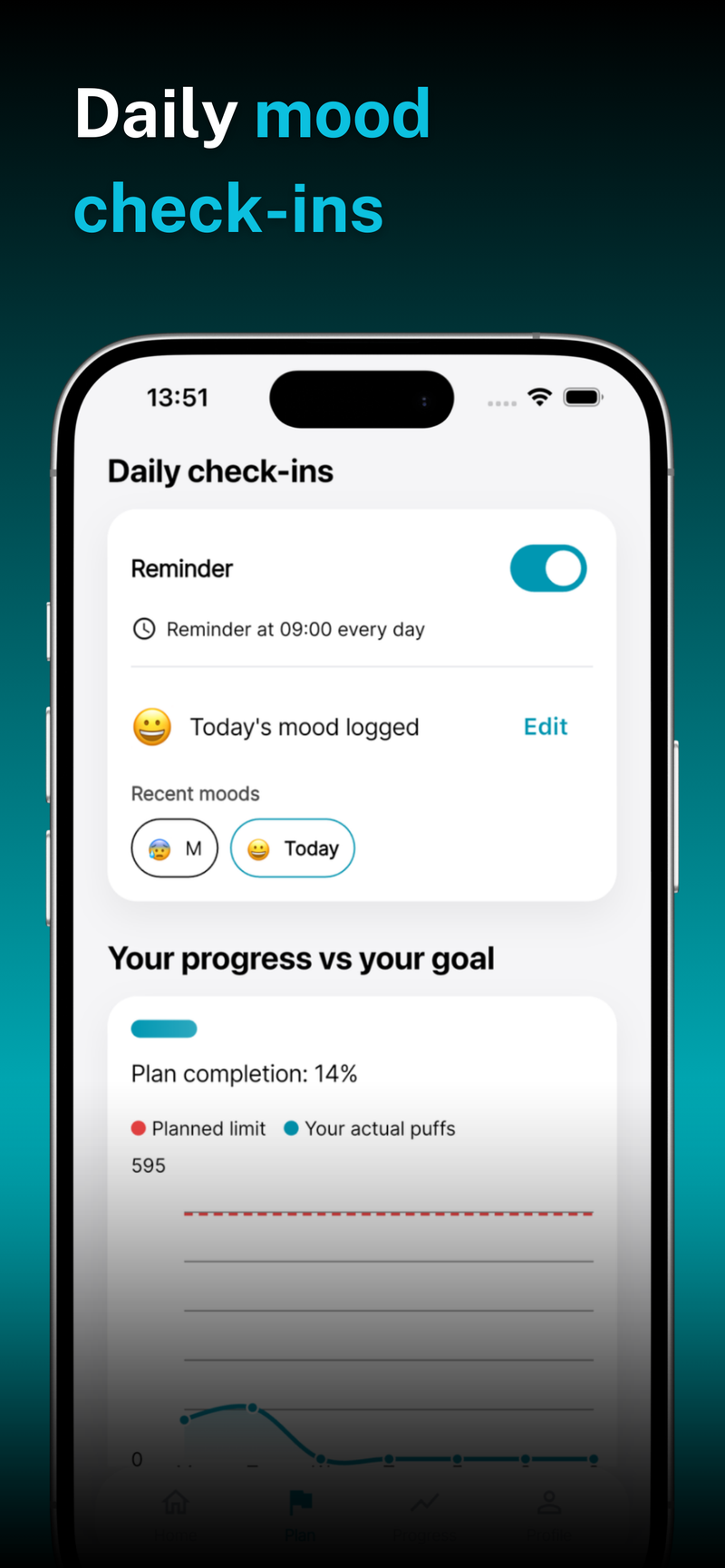
If you’d like a guided starting point and a personalized approach, Quit Smoking & Vaping can help with onboarding and a tailored quit plan.