Quit Smoking

Quit Smoking

Your journey to freedom

·Health

An Actionable 21-Day Habit Swap Plan to Curb Nicotine Urges

This practical guide outlines a 21-day habit swap plan to curb nicotine urges. Learn to identify triggers, build a quick-reaction toolkit, and design a daily routine that supports quitting or reducing nicotine use.

smoking cessationnicotine withdrawalhabit changemental healthself-help

Introduction


If you’ve ever tried to quit smoking or vaping, you know cravings can feel relentless. A sudden urge can tug you toward the old ritual—even when you’re determined to quit. A focused, 21-day habit swap plan gives you a concrete path to replace the behavior with healthier actions, one day at a time. This guide isn’t about willpower alone; it’s about designing a daily routine that makes the urge easier to ride out.

Why a 21-day plan helps


Humans are wired to form habits through repetition. While research on habit formation varies, many experts agree that a dedicated three-week window can cement new routines and reduce automatic smoking or vaping triggers. Expect cravings to ebb as you build replacements and structure your day around healthier choices. Realistically, relapse risk is highest in the first weeks, but a well-structured plan can significantly lower the odds by offering practical actions at the exact moments cravings surge.

Quick cravings facts


  • Cravings often peak in intensity for a few minutes but tend to fade if you pause and act.

  • Small, repeatable actions reduce overall nicotine intake and can lower stress over time.

  • Long-term quit rates without support are often modest; structured plans improve consistency and confidence.
  • The science behind habit formation


    A new routine becomes easier when it’s predictable. By labeling triggers, preparing quick substitutes, and placing regular reminders, you reduce decision fatigue. The 21-day horizon gives you time to test several replacements and keep what works.

    Build your 21-day habit swap toolkit


    Create a portable set of actions you can reach for in the moment of a craving.

    Identify triggers


  • Keep a simple cravings log for a week: when did the urge occur, where were you, who were you with, what were you feeling?

  • Map triggers to times of day (morning coffee, after meals, during stressful calls) and social settings (bars, coffee shops, social events).

  • Decide a primary replacement for each trigger (for example, during after-meal moments, chew gum instead of lighting up).
  • Replacement strategies


  • Quick breathing: try a 4-4-4-4 box breath for 60 seconds.

  • Hydration and snacks: sip water and have a small, crunchy snack (carrot sticks, apple slices).

  • Physical activity: a 2–5 minute walk, a set of push-ups, or a brisk march around the block.

  • Oral substitutes: sugar-free gum, mints, or a straw to hold and bite lightly.

  • Tactile distractions: stress ball, fidget spinner, or a pen-squeezing routine.

  • Cold exposure: splash cold water on your face or a quick cool-down rinse.

  • Change the scene: step outside, wash your hands, or switch to a different drink (water or tea).
  • Daily routine design


  • Morning: start with a glass of water, a brief stretch, and a plan for the day’s triggers.

  • Work breaks: a 2-minute walk or stretch, followed by a glass of water.

  • After meals: a quick walk, chewing gum, or a mint instead of a cigarette or vape puff.

  • Evening wind-down: a 5-minute breathing exercise and a non-nicotine reward (reading, a hot shower, or a relaxing playlist).
  • Social and environmental strategies


  • Tell a trusted friend or family member about your plan and ask for support during tough moments.

  • Remove or reduce access to smoking surfaces and vaping devices in your immediate spaces.

  • Reassess social routines that used to involve nicotine; choose non-nicotine activities when out with friends.
  • The 21-day plan: Week-by-week


    Week 1 — Awareness and anchors


  • Log triggers daily and choose one primary replacement per trigger.

  • Practice the selected replacements at least 4–6 times a day when cravings strike.

  • Set a daily micro-goal (e.g., “I will not smoke or vape for 12 hours”).

  • Build a simple reward for each nicotine-free milestone (a favorite tea, a short walk, a chapter of a book).
  • Week 2 — Increase replacements and routine consistency


  • Add a short physical activity segment (3–5 minutes) to three separate moments (morning, midday, evening).

  • Expand your cravings log to notice patterns in intensity and duration.

  • Practice urge surfing: observe the craving without acting, then choose the replacement action.
  • Week 3 — Solidify and prevent relapse


  • Anticipate high-risk moments and pre-plan replacements for each.

  • Strengthen social support by checking in with your ally at least once daily.

  • Set a forward-looking goal beyond quitting or reducing, such as saving money or improving stamina, to reinforce motivation.
  • Staying motivated and measuring progress


  • Track daily cravings on a simple 0–10 scale and note which replacement worked best.

  • Monitor outcomes like money saved, improved taste and smell, and better breath or skin tone.

  • Celebrate every nicotine-free day, even if small; consistency compounds over time.

  • Expect fluctuation. If a day slips, review triggers, adjust replacements, and return to the plan the next day.
  • Conclusion


    A 21-day habit swap plan gives you a concrete, manageable path to curb nicotine urges. By identifying triggers, equipping yourself with quick, reliable replacements, and building a steady routine, you can reduce the power of cravings and boost your confidence in a nicotine-free or reduced-use future.

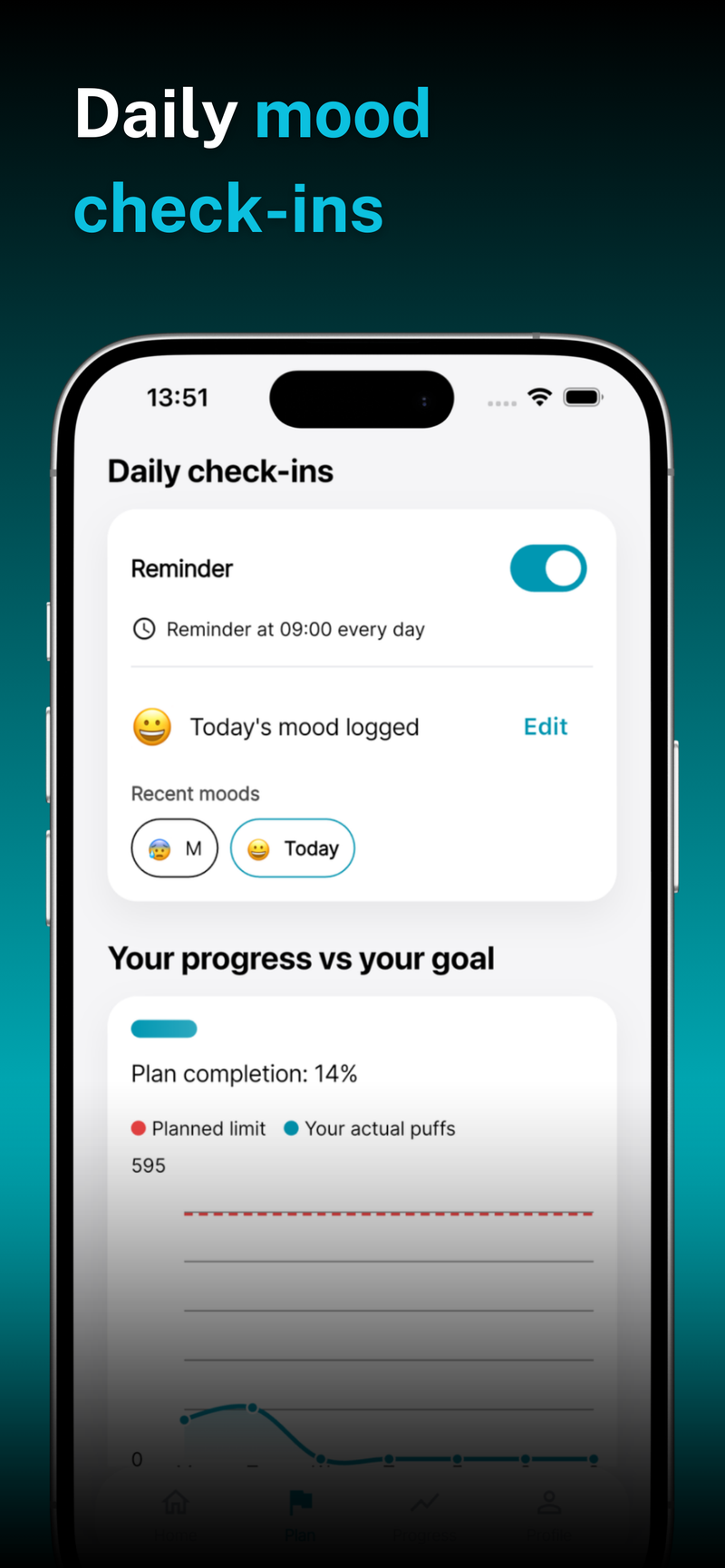
    If you’d like a guided, personalized path through this journey, consider a structured program that supports onboarding and personal setup—helping you tailor your product type, goal, timeline, and daily usage to your unique situation. Such a path can reinforce the routines you’re building and connect you with ongoing support when you need it. Fokus Puff – User-Facing Features emphasize features like onboarding and personalized setup to tailor your quit plan, making it easier to stay on track and adjust as you progress.

    Quit Smoking icon

    Quit Smoking

    Your journey to freedom

    Free • In-App Purchases
    GET
    Dashboard
    Progress
    Health
    Savings
    Motivation
    Stats
    Daily MotivationProgress TrackingHealth MilestonesMoney Saved

    💪 Onboarding & Personal Setup with personalized quit plan

    Related Articles

    Quit Smoking

    Your journey to freedom