
·Budgeting
Audit Household Spending in 7 Days: A Complete Plan
A practical, seven-day plan to audit your household spending, identify waste, and build a realistic budget. Each day adds a concrete, doable step to turn data into decisions.
personal financebudgetingmoney managementfamily financesfinancial planning
Introduction If you’ve ever looked at a month-end statement and wondered where your money vanished, you’re not alone. Many households struggle to see the full picture because small leaks—the coffee runs, unused subscriptions, or impulse buys—slip through the cracks. The good news is you can demystify your spending in just one week with a simple, repeatable plan. This seven-day approach helps you collect data, identify waste, and build a budget that actually sticks. Think of it as a learning process: you gather the facts, test reasonable limits, and set up a routine to keep your spending under control. You don’t need fancy tools to start—just honesty, a little time, and a system you can repeat month after month. ## A practical 7-day plan to audit household spending The goal of this plan is to create a clear, actionable snapshot of where money goes—and to put you in the driver’s seat for your next month’s decisions. Along the way, you’ll learn how to distinguish essential needs from nice-to-haves, and how small changes add up over time. ### Day 1 — Gather data and define categories - Pull at least 30 days of receipts, statements, and bills (bank, credit cards, cash). If you can, extend to 60-90 days for a fuller picture. - Create 8-12 spending categories (examples below). Use simple labels to avoid overcomplication: - Housing (rent/mortgage, utilities) - Groceries - Transportation - Dining out - Subscriptions and memberships - Entertainment and hobbies - Personal care - Debt payments - Savings and investments - Irregular expenses (medical, car repairs, gifts) - Note your total take-home income for the period. The aim is to compare apples to apples later. - Simple tip: use a single notebook or a basic spreadsheet to avoid friction. The goal today is data collection, not perfection. ### Day 2 — Track, total, and compare - Tally spending by category for the period. Calculate each category’s share of total spending and, if possible, its share of income. - Identify the biggest culprits by absolute dollars and by percentage of income. Common trouble spots include groceries, dining out, and recurring subscriptions. - Quick benchmark: for many households, housing and transportation account for roughly half of spending; groceries, dining, and utilities cover a large chunk of the rest. This helps you spot outliers quickly. - Actionable step: create a simple one-page summary (category, amount spent, % of total, notes). This becomes your reference for Day 3. ### Day 3 — Identify leaks and recurring charges - Scan for recurring charges you don’t use or no longer need (streaming services, gym memberships, digital tools). - Check for small, daily purchases that add up (coffee, snacks, vending, impulse buys). - For each suspect item, ask four questions: - Do I derive real value from this? • Is there a cheaper alternative? - How often do I use it? • Is it essential this month? - Can I pause or cancel it this cycle? - What would I replace it with if canceled (free or lower-cost option)? - Action: cancel or pause at least 1 unwanted subscription or switch to a cheaper tier where possible. ### Day 4 — Revisit needs vs wants and adjust expectations - Reassess your categories with a needs vs. wants lens: - Needs: housing, utilities, groceries, healthcare, essential transport, debt payments. - Wants: dining out, entertainment, premium subscriptions. - Test a “lower-volume” scenario: temporarily reduce discretionary spending by a fixed amount (for example, 10-20%) and note how your budget responds. - Create a target range for each discretionary category rather than a single number to allow flexibility. ### Day 5 — Build a budget baseline (choose a method) - Choose a budgeting approach that fits your life: - 50/30/20: 50% needs, 30% wants, 20% savings/debt repayment. - Zero-based budgeting: every dollar has a job, including savings and debt payments. - Priority-based approach: fund highest-priority categories first, then adjust lower-priority ones. - Translate your Day 2 figures into this framework. If needs exceed 50% or 60%, consider where you can trim without harming essential needs. - Set realistic targets for the next 1–2 months, focusing on the few categories with the biggest impact. ### Day 6 — Test discipline and practical controls - Implement a simple control for discretionary spending: - Use cash envelopes for a week for non-essential categories (e.g., dining out, entertainment). - Or set per-category daily caps and track in real time. - Automate where possible: schedule automatic transfers to savings and debt, but keep essential bills automated too. - Track progress at least once daily for consistency, not perfection. ### Day 7 — Establish a weekly review ritual - Block 15–20 minutes to review the week: - What went well and why? - Which category exceeded its limit, and what’s the plan to adjust? - What are the near-term adjustments for the coming week? - Update your one-page summary and adjust targets accordingly. - Build a reusable template (category list, budget targets, actuals, notes) for the next month. ### Quick wins to start today - Cancel at least one unused subscription. - Switch to one less expensive grocery alternative or batch meal planning to cut food costs. - Set up an automatic transfer to savings that matches your target, even if small. - Create a single place to track everything (one spreadsheet or notebook) to reduce mental load. ### Practical tips and data-backed context - Consistency beats perfection. A regular, quick check-in beats annual budgeting that never gets revisited. - A lot of leakage comes from small, recurring charges and impulse buys. Stopping or reducing just a few of these can unlock meaningful room in your budget. - If you’re a family juggling multiple people’s finances, a simple system helps prevent overlaps and gaps. Half of typical household spending often goes to housing and transportation, so starting there yields the biggest impact. ## Conclusion Auditing you
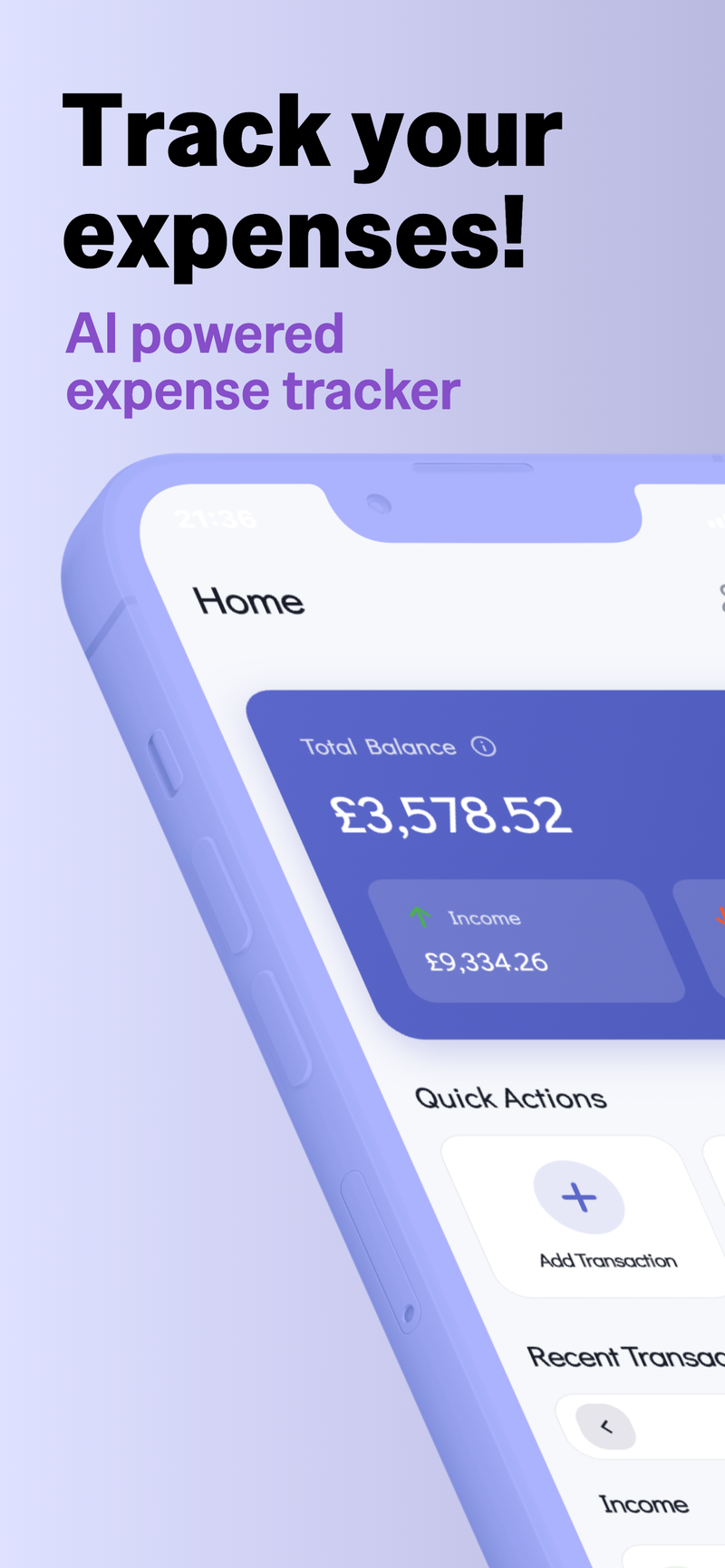
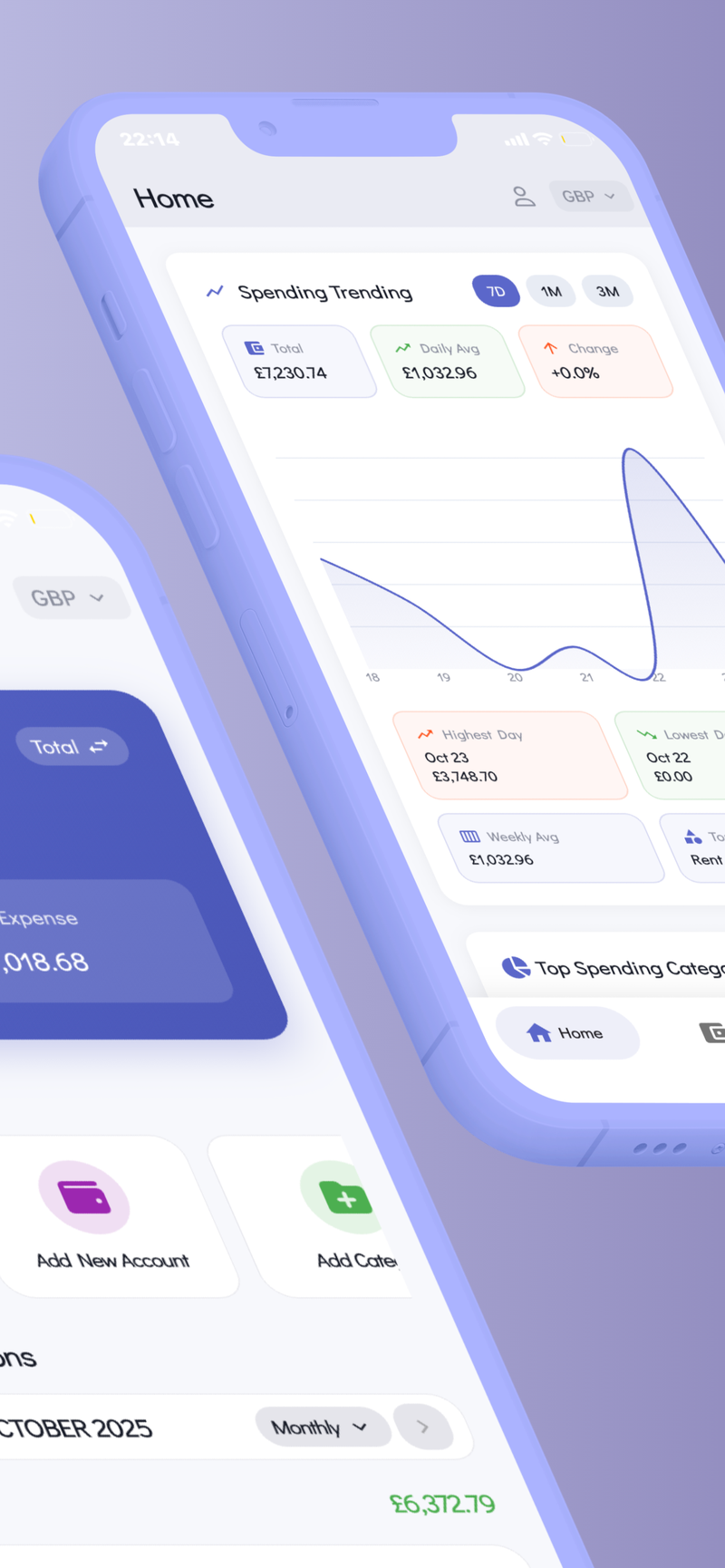
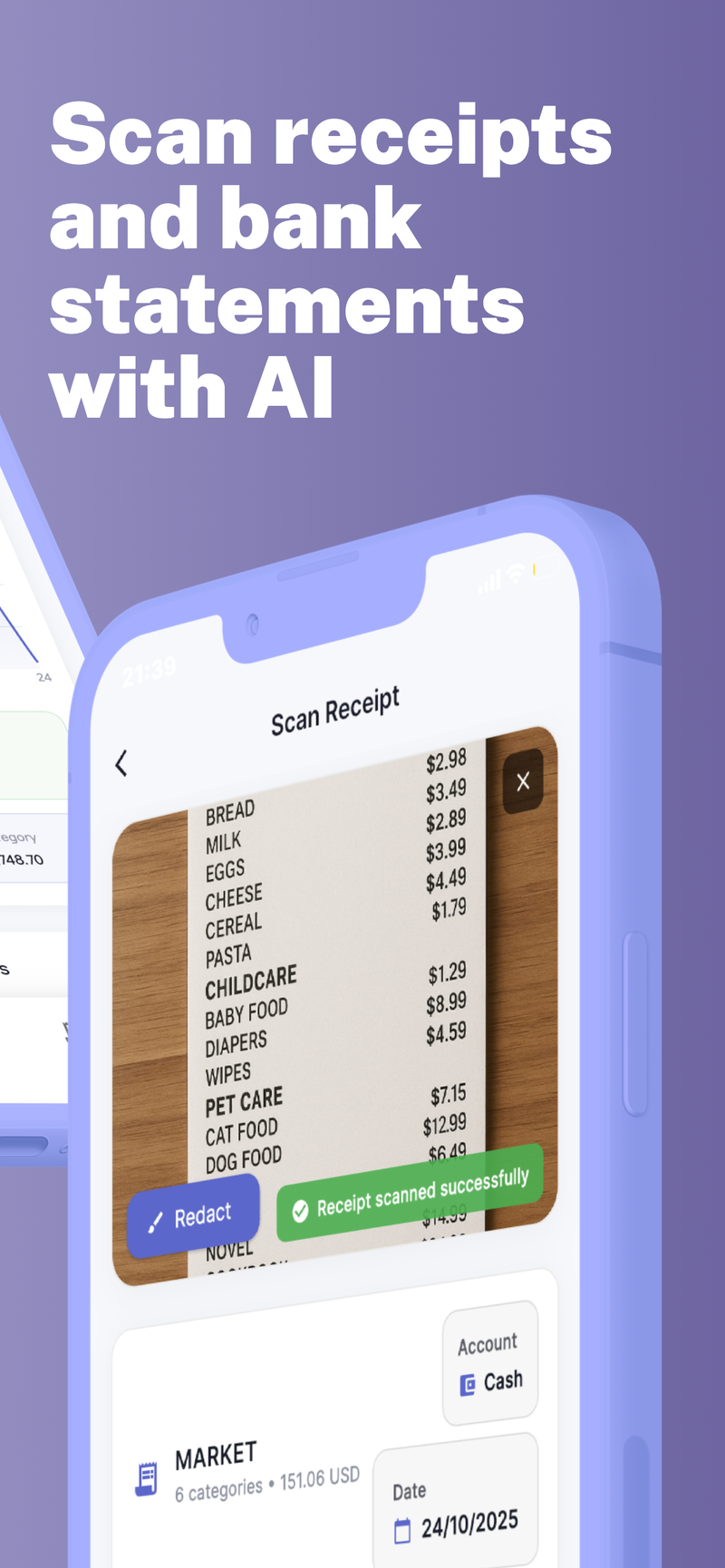
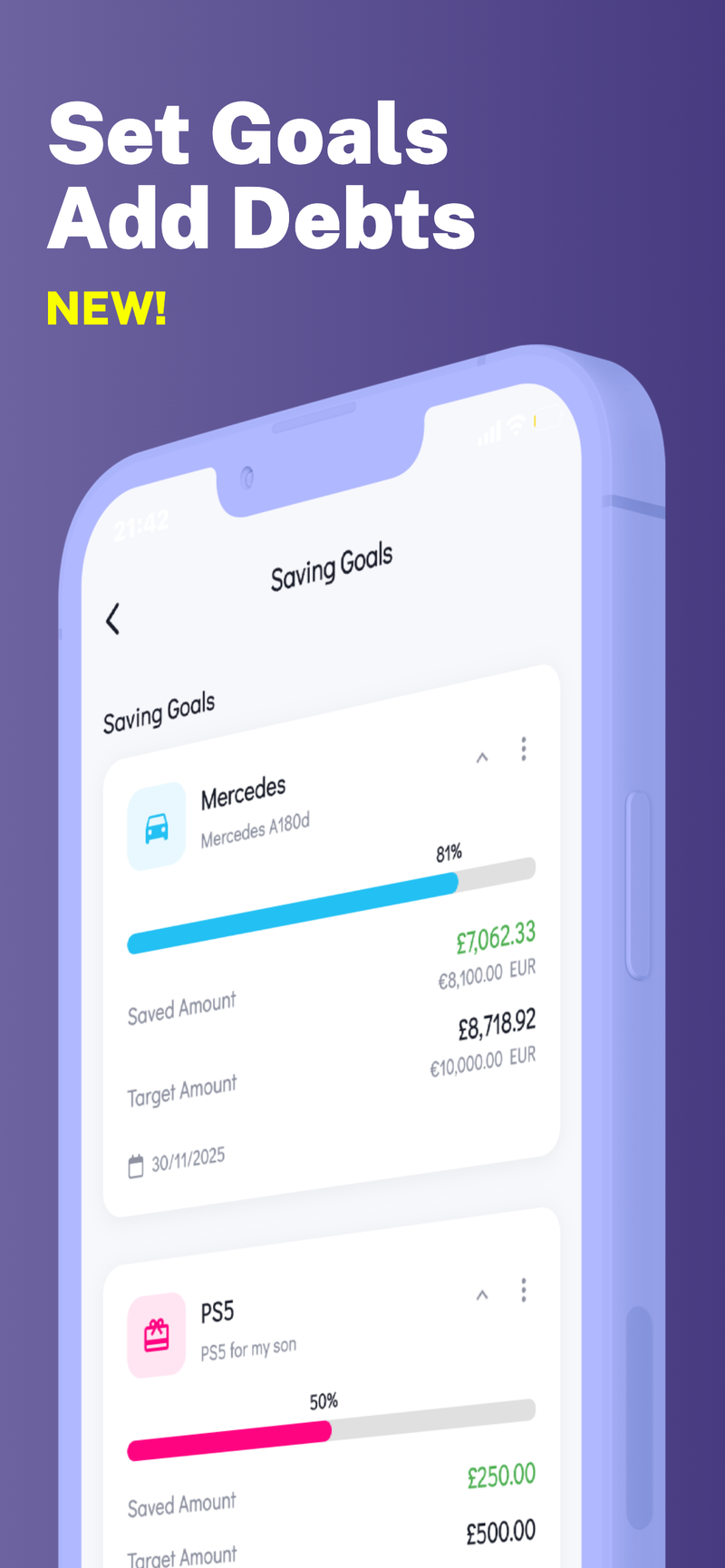

AI Receipt ScanningMulti-CurrencyBank ImportPrivacy-First
✨ Multi-Profile Support