Introduction
Do you feel like your money runs your schedule instead of the other way around? Bills due, receipts piling up, and a budget that never seems to catch up—it's a common pattern for busy families. The good news: you can automate the heavy lifting with a few simple monthly routines. When routines are predictable, you spend less mental energy, and you free up space for what matters most.
Six Easy Monthly Routines to Automate Your Budget
1. Baseline budget setup
Gather last 30 days of statements from all accounts to see where money actually lands.Create a small, realistic category list: Needs (rent/mortgage, utilities, groceries), Wants (outings, streaming), Savings/Debt (emergency fund, debt payoff).Choose a target formula you can stick with (50/30/20 is a common starting point; adjust to your family’s reality).Set monthly caps for each category and a root rule: if you exceed caps, you reallocate in the next month rather than doubling down.Pick a single date each month to lock the baseline (for example, the 1st or the 15th) and review against goals.2. Monthly spend by category review
Use a simple template (category, planned, actual, difference) and color-code: green for under, red for over.Identify the two biggest overruns and ask: was it a one-off event or a pattern?Adjust the next month’s plan accordingly: trim wants, or reallocate to savings.Look for hidden subscriptions and recurring charges; set reminders to reassess them every quarter.3. Bills and autopay plan
List all monthly bills with due dates, minimums, and payment methods.Prioritize autopay for essential bills to avoid late fees; keep a manual reminder for non-essentials during busy months.Build a small buffer (one additional month's bill in reserve) to cover surprises.Schedule calendar alerts a week before due dates and again on payment day.4. Savings buffer
Set a practical target for an emergency fund (e.g., 1–3 months’ expenses) and track progress weekly.Automate transfers to a dedicated savings account right after payday (even small amounts add up).Try a round-up approach: round purchases up to the nearest five or ten and move the difference to savings.Treat your savings like a fixed expense—pay yourself first.5. Goals and progress check
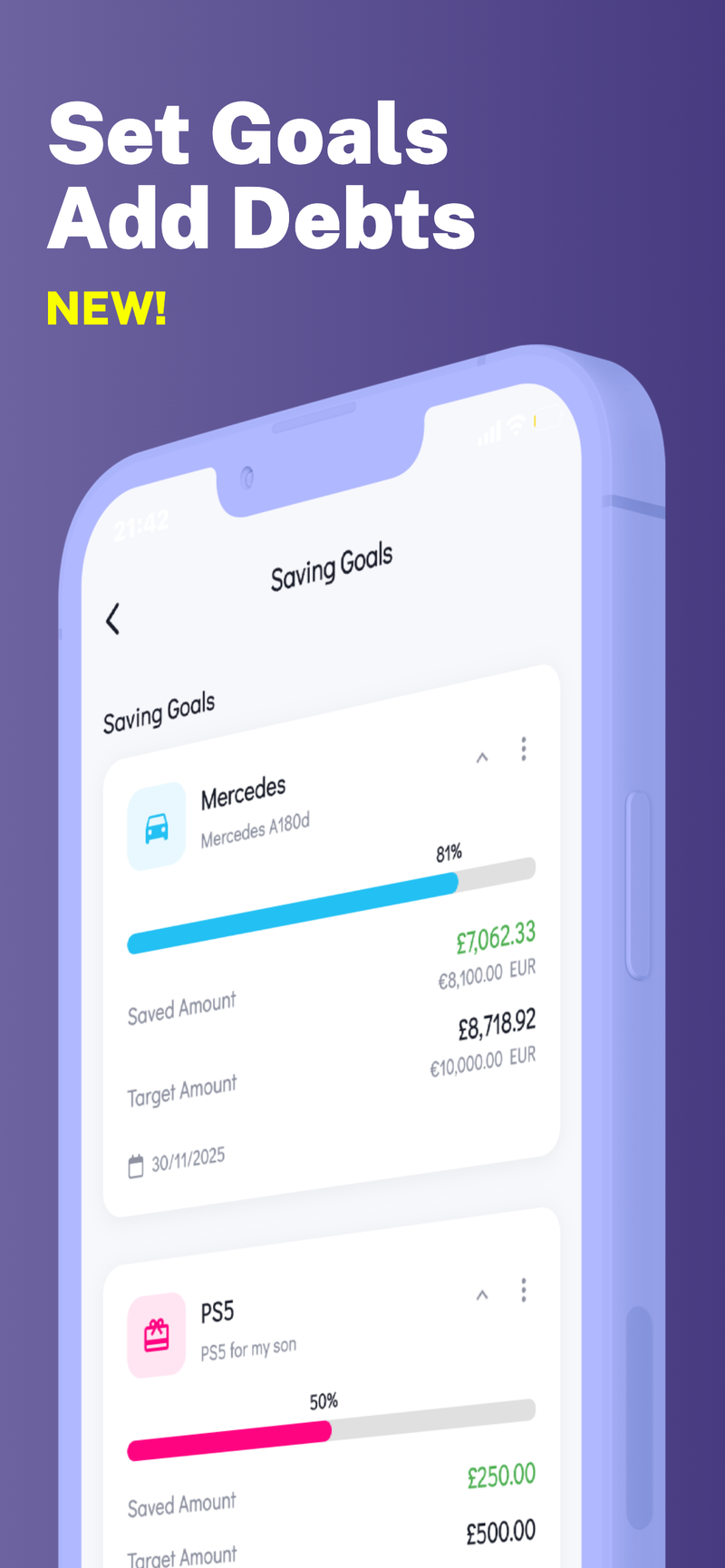
Revisit your short- and medium-term goals (debt reduction, vacation, home maintenance fund) at least monthly.Check progress against benchmarks and adjust contribution rates if you’re ahead or behind schedule.Break big goals into smaller milestones with celebratory, low-cost rewards.Communicate with the family: share wins, discuss obstacles, and align on priorities.6. Forecast and meal planning
Look ahead 30 days and forecast variable costs (groceries, gasoline, entertainment).Create a meal plan for the next four weeks to reduce impulse buys and waste.Build a grocery list from the plan and stick to it; account for typically forgotten items.Use forecast data to adjust the next month’s category caps, so you’re budgeting with reality rather than guesswork.Conclusion
Automating your budget isn’t about eliminating choices; it’s about reducing the rework each month so you can focus on meaningful financial goals. Start with a simple baseline, commit to a 10–20 minute monthly review, and let automation handle the routine decisions. With clear categories, predictable checks, and a few smart safeguards, you’ll find yourself spending intentionally rather than reactively.
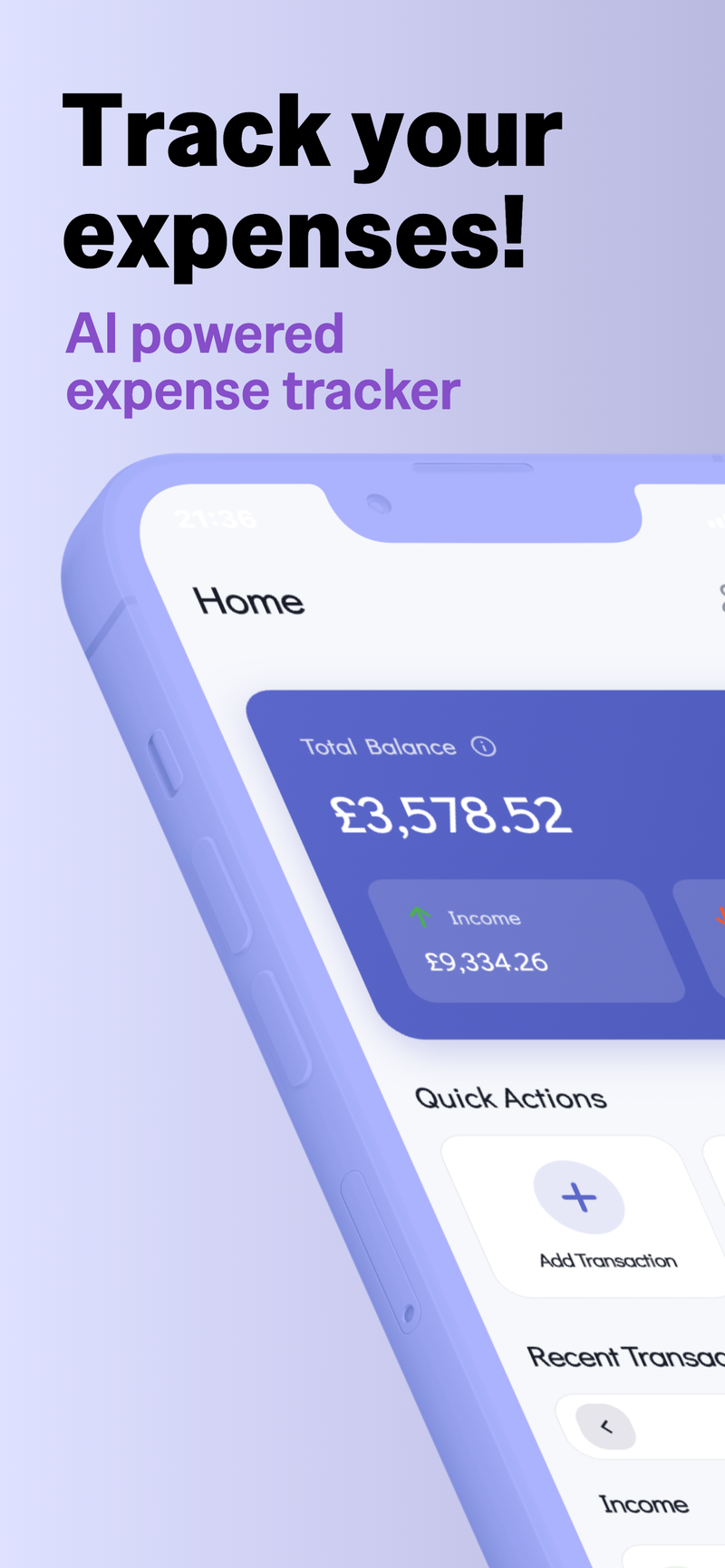
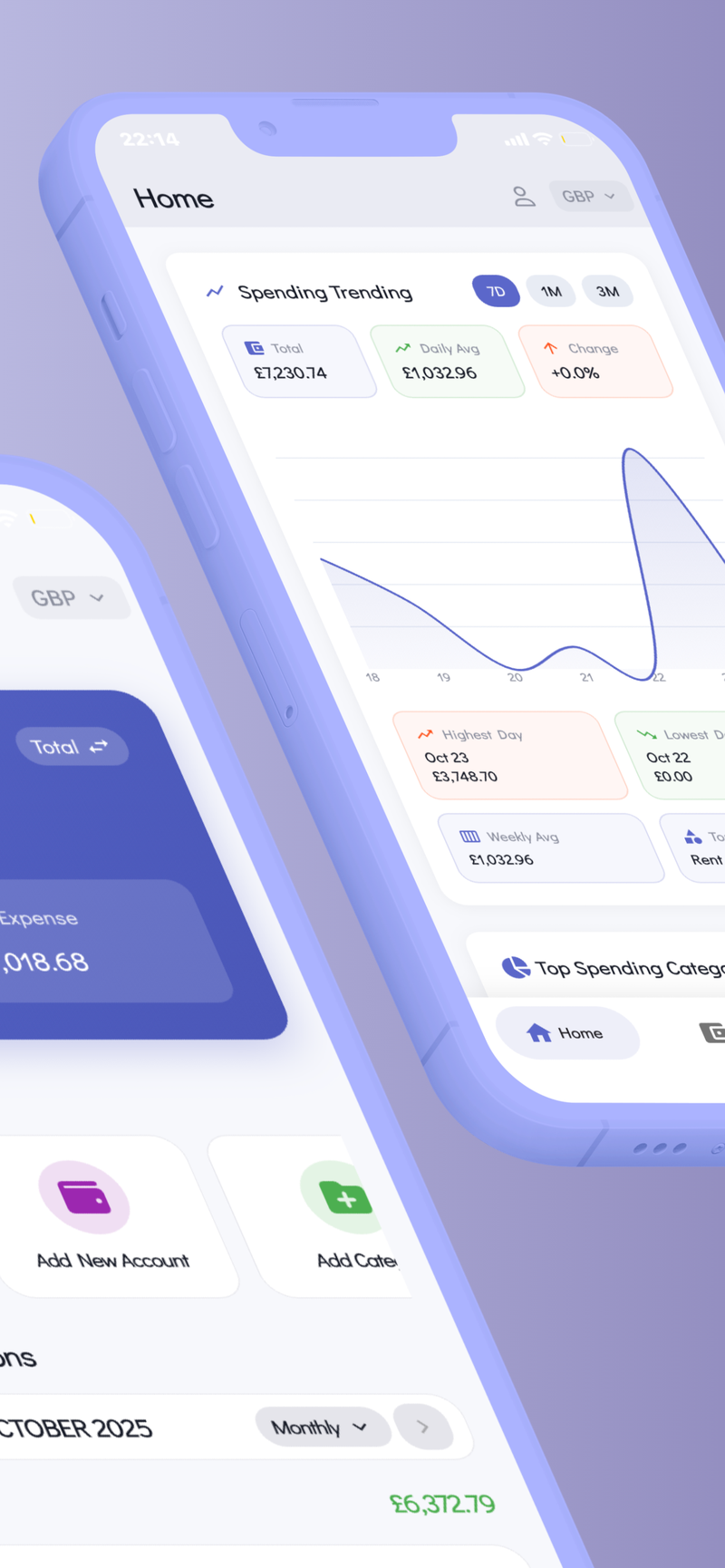
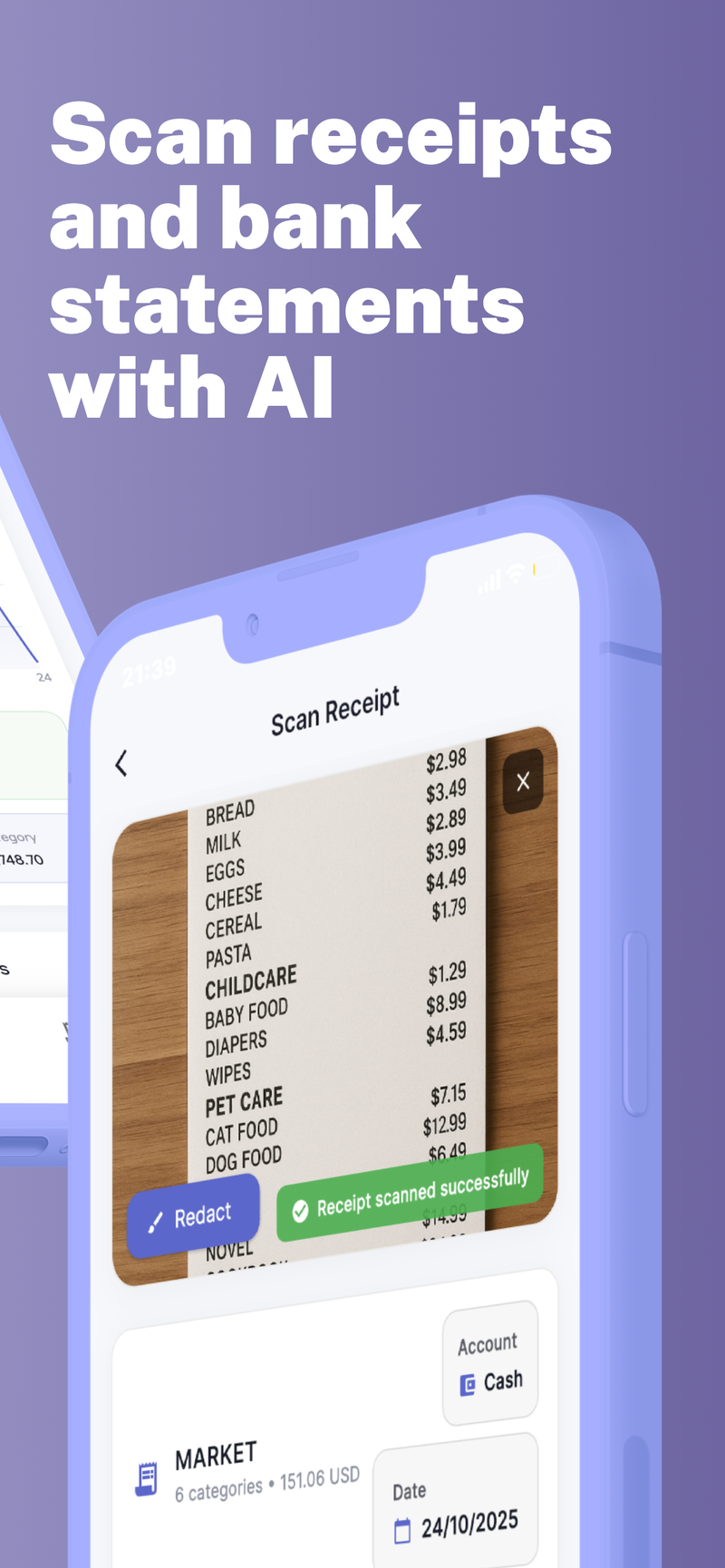
If you’re looking for a tool to support these routines, Fokus Budget can help. For example, its Multi-Profile Support lets you organize personal, family, and chore budgets in one place, while keeping your data private and on your device. This kind of setup can make six routines feel effortless over time.