Introduction
Cravings can feel overwhelming—especially when they show up as soon as you wake up, during a stressful moment, or after a social gathering. If you’re reading this, you’ve already taken a powerful first step toward lasting change. A structured four-week plan can help you ride the wave of urges, build healthier routines, and move toward nicotine-free living with practical, bite-sized steps.
This guide gives you a weekly roadmap, proven coping strategies, and simple metrics to track progress. It’s not about perfection; it’s about steady momentum and learning what works for you.
A 4-Week Roadmap to Nicotine-Free Living
Week 1: Set the foundation
Define your target and how you’ll measure progress. Decide if your goal is to quit completely by week 4 or to reduce first, then quit. Write down your quit date within week 1.Map your current habit: keep a cravings diary for 3–5 days. Note the time, trigger, and intensity of each urge (0–10). This helps you spot patterns and plan ahead.Declutter your environment. Remove cigarettes, vaping devices, lighters, and ashtrays. Stock up non-nicotine substitutes for the ritual—sugar-free gum, peppermint sticks, or a stress ball can help occupy your hands and mouth.Build a simple daily routine. Schedule regular meals, short walks, and a wind-down ritual at night. Consistency reduces the number of automatic triggers you face.Start a basic hydration and movement plan. Aim for 8 cups of water per day and 15–30 minutes of movement most days. Physical activity can blunt cravings and improve mood.Week 2: Master cravings with practical tools
Identify your high-risk moments. Common triggers include after meals, mornings, caffeine, and social events. Prepare a specific plan for each: delay (5 minutes), distraction (a quick chore or a 10-minute walk), or a swap (sip water, chew gum, or hold a cold object).Practice urge surfing. When a craving hits, ride it like a wave—notice it, breathe deeply, and let it pass. Most urges peak within 3–5 minutes and subside naturally.Create quick, healthy replacements for rituals. After a coffee, instead of reaching for a cigarette or vape, take a 2-minute stretch break or a brisk 5-minute walk. After meals, try a short conversation or a brisk stroll.Sleep and stress are common triggers. Prioritize a regular sleep schedule and try stress-reduction techniques such as box breathing (inhale 4, hold 4, exhale 4, hold 4) for a few minutes when tension rises.Week 3: Build resilience and support
Strengthen your routines. Add a few more non-nicotine activities you enjoy: a hobby, a short fitness session, or a phone-call with a supportive friend after a stressful moment.Track savings and benefits. Note how much money you’re saving each week and how your energy, taste, and smell may be improving. Seeing tangible progress reinforces commitment.If you stumble, regroup quickly. A lapse doesn’t erase progress. Log what happened, identify triggers, and re-enter your plan with renewed focus.Expand your support network. Share your plan with at least one trusted person who can check in and cheer you on during tougher days.Week 4: Maintain, refine, and plan for the future
Lock in your long-term routine. Solidify daily habits that replace old rituals: morning walks, water breaks, or a quick workout. Keep cravings diaries but reduce their frequency as urges become rarer.Prepare for high-risk days. Identify at least three strategies you’ll use if cravings spike (delay, distraction, talk it out, or a walk). Have a small “emergency kit” handy: water, gum, a list of activities, and a contact for support.Celebrate wins. Whether you saved money, tasted food differently, or slept better, acknowledge progress. Small celebrations strengthen motivation.Plan for the future. Set a realistic monthly check-in to review triggers, moods, and successes so you stay on track beyond week 4.Craving facts and practical tips
Cravings are a mix of chemical withdrawal and habit. Expect waves rather than constant pressure.Most cravings pass within 3–5 minutes. Use a timer or a short activity to ride the wave.Triggers aren’t just places or times; they’re feelings (stress, boredom, loneliness). Build a quick emotional toolkit: slow breathing, a short walk, calling a friend, or journaling.Hydration and movement help. Water and light activity can blunt urges and improve mood.Measure progress beyond urges. Track money saved, sleep quality, taste changes, and energy. These metrics reinforce the benefits of staying nicotine-free.Quick-start checklist
Pick a quit date within the first week.Start a cravings diary for patterns and triggers.Remove nicotine implements from your space and stock non-nicotine alternatives.Establish a simple daily routine with regular meals, movement, and wind-down time.Learn and practice urge surfing and 5-minute delaying strategies.Build a small support network and celebrate each milestone.Realistic mindset shifts
You’re not fighting a day’s urge alone; you’re reshaping a habit across weeks. Small, consistent actions compound into lasting change.Setbacks happen. A lapse is information, not failure. Re-enter your plan with new insights from the experience.Your goal is more than quitting nicotine; it’s gaining control over your daily rhythms and choices.Conclusion
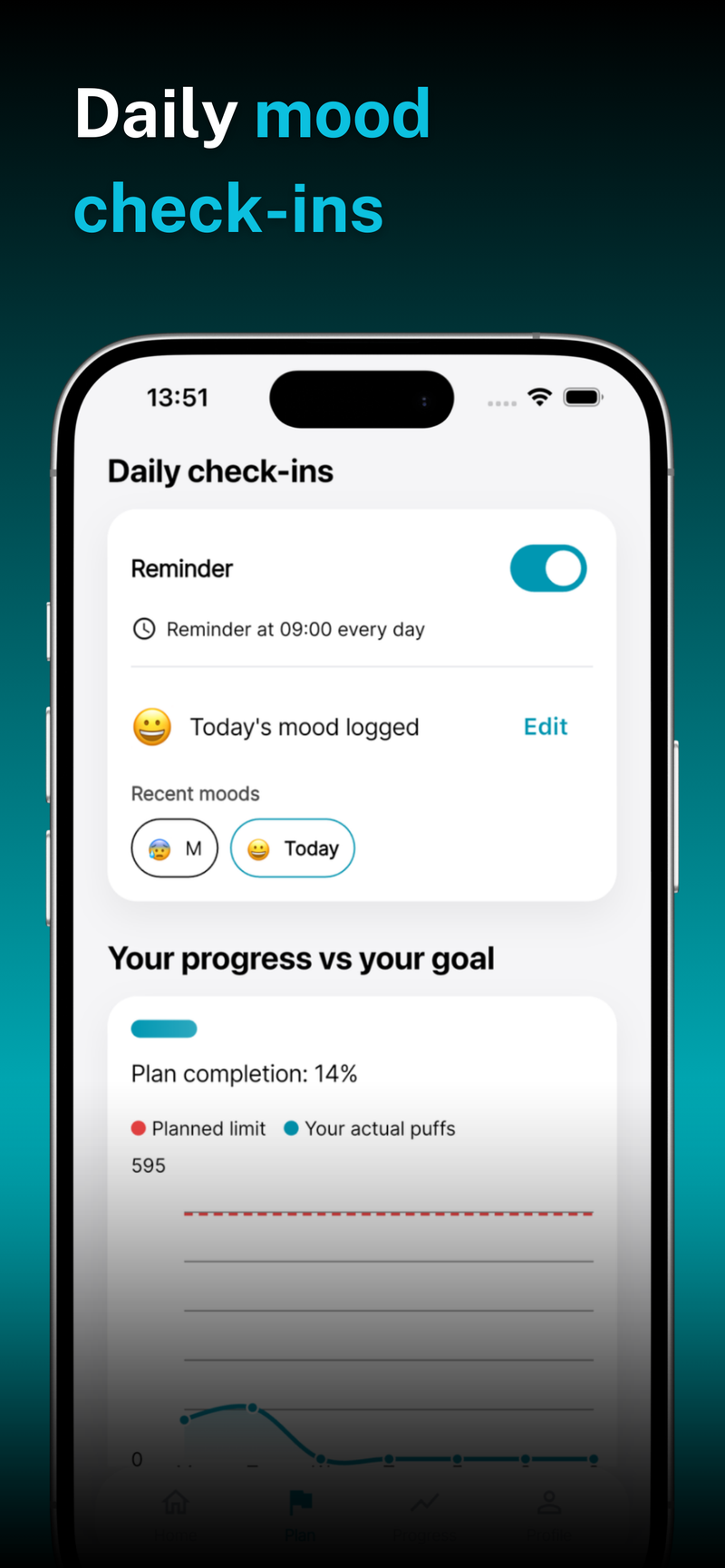
You now have a practical, week-by-week framework to move toward nicotine-free living. By identifying triggers, building healthier routines, and using simple craving-management tactics, you can turn urges into opportunities for growth. If you’re looking for structured onboarding and a personalized start to your journey, Quit Smoking & Vaping offers Fokus Puff – User-Facing Features to guide you through a tailored plan and keep you accountable along the way.