Introduction
Cravings can feel like they have a mind of their own. You might wake up with a tight chest, crave during a coffee break, or reach for a vape after a stressful call. Quitting or reducing nicotine isn’t just about willpower—it's about having a plan that fits your day. A simple, two-week coping plan can turn the problem of cravings into a series of small, manageable steps.
Main Content
Understanding cravings and withdrawal
Cravings are strongest in the first few days after you decide to quit or cut back. They typically peak within minutes and fade within a few minutes if you use a coping tactic.Withdrawal symptoms (irritability, restlessness, trouble sleeping, or concentration difficulties) commonly begin within 24 hours and can lessen over 2-4 weeks as your body adjusts.Triggers are highly personal: certain times, places, people, or emotions can spark a craving. Awareness is the first line of defense.A practical 2-week framework
Week 1: Build the foundation
Day 1–3: Map your pattern. Note when cravings hit most (morning wake-ups, coffee breaks, after meals, stress). Prepare 2–3 go-to alternatives (chewing gum, herbal tea, short walk).Day 4–7: Practice urge management. Use a 5-minute delay rule: when a craving hits, wait five minutes, then reassess. Do a quick distraction task (step outside, stretch, drink water, call a friend).Week 2: Build momentum
Day 8–10: Increase activity. Add 10 minutes of movement when cravings spike. Exercise can reduce cravings and improve mood.Day 11–14: Plan for tricky moments. Create a relapse-prevention mini-plan for meals, alcohol, or stressful days. Reinforce your wins with a small reward you’ve pre-approved.Daily coping strategies you can apply now
Delay the urge: Tell yourself, “Not now.” Cravings typically pass in 3–5 minutes.Deep breathing: Inhale for 4 seconds, hold for 4, exhale for 6. Repeat 5 times during a craving.Hydration and healthy substitutes: Sip water or tea; crunch on something healthy like carrot sticks or sugar-free gum.Move your body: A brisk 5–10 minute walk often quiets the craving before it grows.Mouth relief: Use minty gum or a cold sip to break the sensory loop of smoking or vaping.Mindful awareness: Observe the craving without judgment—name it (“this is a craving”) and let it pass.Triggers and high-risk moments (and how to handle them)
Morning routine: Start with a glass of water and a short stretch before the coffee ritual.Coffee breaks and meals: Pair these with a planned alternative activity (short walk, stretch, snack).Stressful moments: Pause, breathe, and use your 5-minute delay; switch to a coping task rather than reaching for nicotine.Social settings: Decide in advance how you’ll respond if others light up; bring a supportive friend or choose smoke-free spaces.Sleep, nutrition, and exercise
Sleep improves mood and reduces irritability—aim for a consistent bedtime and wake time.Balanced meals stabilize blood sugar and reduce cravings. Include protein and fiber, and limit ultra-processed snacks.Regular movement lowers withdrawal symptoms and enhances overall well-being. Even short, daily activity counts.Social support and accountability
Tell 3–5 trusted people about your plan and check in weekly.Consider a buddy system: pair up with someone else quitting or reducing, and share your daily wins.Journaling helps: note what sparked a craving and what helped you ride it out.Tracking progress and celebrating small wins
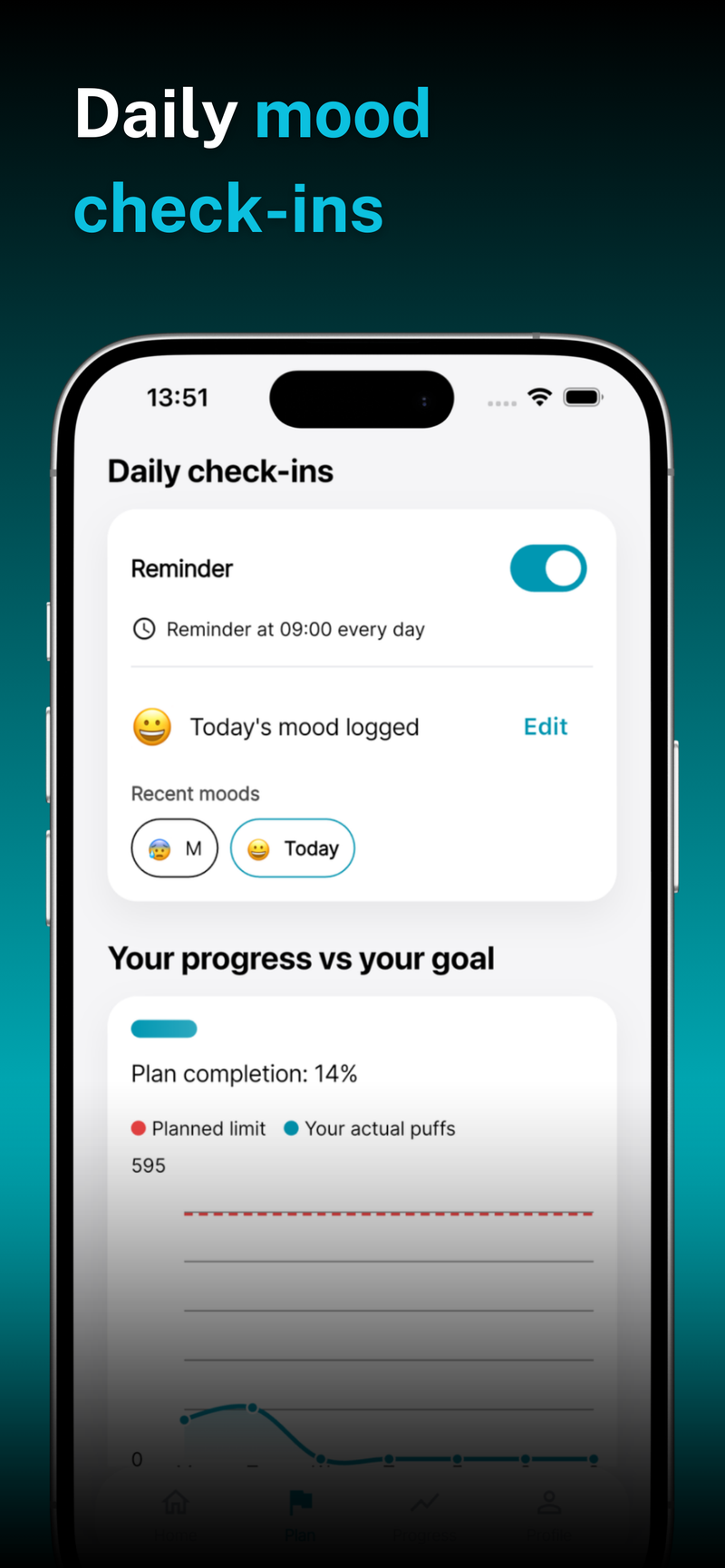
Keep a simple log: date, trigger, coping strategy used, craving intensity (0–10), and mood. Review weekly to identify patterns.Celebrate milestones: one nicotine-free week deserves a small treat or activity you enjoy. Positive reinforcement reinforces the habit loop.Conclusion
Quitting or reducing nicotine is a journey, not a single event. By mapping your triggers, building a toolkit of quick strategies, and stacking small daily wins, you make cravings more manageable and less overwhelming. The goal is sustainable change, not perfection.
If you want a guided start that helps you create a personalized quit or reduction plan, consider a structured onboarding experience that supports this two-week approach. Quit Smoking & Vaping can help with this through its Onboarding & Personal Setup feature.