Introduction
Cravings can feel relentless. The moment you decide to quit, your brain remembers the quick reward, and the urge can surge at surprising moments—driving you to light up or take a puff before you think. You’re not alone: most quit attempts wobble on motivation, routines, and coping skills more than on stubborn willpower. The good news is a concrete, six-week plan—built with small, repeatable steps—can turn cravings into manageable signals and help you build a new, healthier rhythm.
A six-week framework to beat cravings
This plan focuses on preparation, practical coping, environment tweaks, and relapse prevention. Each week adds a layer, but you can start at the pace that fits your life. Cravings peak in the first week or two and often ease as new habits take hold; regular practice increases your confidence and reduces the chance of a relapse.
Week 1: Prepare, baseline, and commit
Decide your path: do you want to quit completely or reduce gradually? Set a clear target date if quitting, or a weekly reduction goal if not.Baseline your habit: track every cigarette or puff for a week, plus how much you spend. Note where and when cravings strike (morning, after meals, with caffeine, during stress, social triggers).Create a craving log: jot the time, intensity (1-10), trigger, and your response. Use it to spot patterns.Learn a simple urge routine (60 seconds): pause, take five slow breaths, sip water, step outside, and focus on a small, physical task (squeeze a stress ball, wash hands, stretch).Build a support circle: tell 1-2 trusted people your plan and arrange quick daily check-ins or quick texts.Prioritize basics: sleep 7–9 hours, hydrate well, and eat balanced meals to reduce irritability and energy dips.Week 2: Build your craving toolkit
Use the 4 D’s: Delay, Distract, Deep-breathe, Do something different. Each craving is an event you can navigate rather than an inevitability.Substitute rituals: replace a smoking or vaping ritual with a healthier one (tea time, a short walk, a quick hand-exercise routine).Map triggers: categorize triggers (coffee, alcohol, certain people, stress). Plan alternatives for each category.Prepare your environment: remove lighters, vape devices, smoking cues, and places you habitually reach for a puff.Strengthen sleep and activity: short walks or brief home workouts can reduce cravings and improve mood.Week 3: Tackle triggers and social pressures
Plan for social situations: rehearse polite refusals and bring a non-triggering activity (water, mint, or a brief walk).Stress management toolkit: add 5 minutes of mindfulness or a quick HIIT burst during tense moments.Hydration and snacking: sip water regularly and choose healthy, satisfying snacks to reduce oral habits.Track progress: continue the craving log, noting which strategies kept you strong and which struggled.Week 4: Momentum, rewards, and routine refinement
Celebrate small wins: money saved, occasions when you handled cravings, better sleep, steadier mood.Strengthen routines: solidify a morning and evening wind-down that doesn’t involve nicotine cues.Increase physical activity: introduce a longer walk, a short bike ride, or a short home workout; endorphins help combat cravings.Revisit triggers: if a high-risk trigger persists, add a pre-planned response or remove the trigger from your environment if possible.Week 5: Relapse prevention and resilience
Expect slips, don’t panic: analyze what happened, adjust your plan, and return to your coping toolkit.Reconnect with support: check in with someone who knows your goal; consider a brief accountability check-in.Strengthen problem-solving: write down two alternative actions for your top two triggers and practice them.Sleep and stress: refine sleep routines and stress management so cravings feel less urgent.Week 6: Maintain, adapt, and plan ahead
Lock in the long-term plan: outline your daily routine, ongoing craving responses, and how you’ll handle future triggers.Create a reward system: schedule periodic rewards for milestones (weekly savings, days nicotine-free, improved mood).Prepare for setbacks: build a one-page plan you can reference during new triggers or life events.Sustain health changes: keep hydration, balanced meals, and regular movement to reinforce the new behavior.Practical tips and mindset shifts
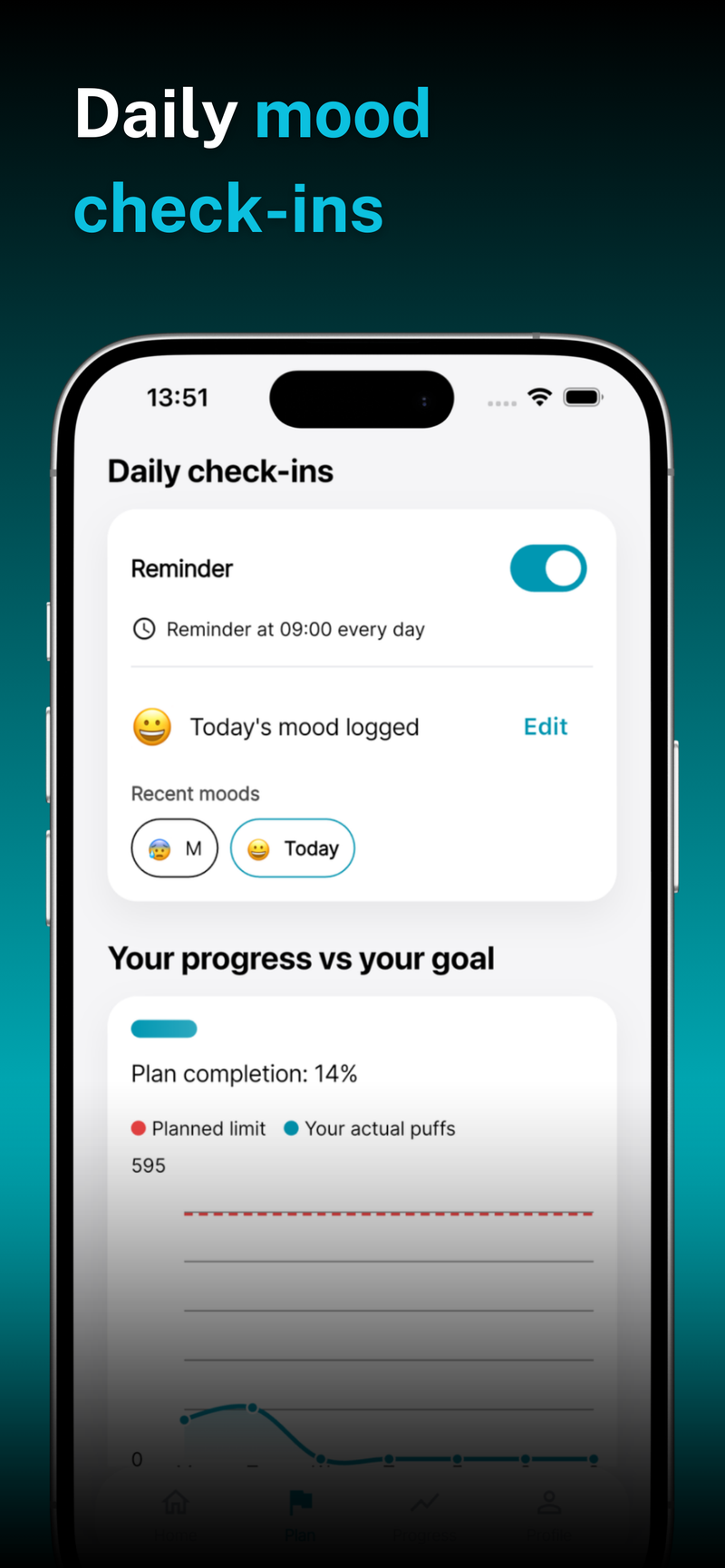
Cravings as signals, not orders. View them as temporary and passing, like waves. Urge surfing—notice the urge, ride it out for 5–7 minutes, then it often fades.Visualize the benefits. Short-term inconveniences evolve into better sleep, breath, taste, and finances.Track progress, but keep it simple. A quick daily check-in on your phone or notebook helps you stay honest without becoming burdensome.Be kind to yourself. One slip does not erase progress; use it as data to strengthen your plan.Data and notes to guide your plan
Nicotine withdrawal symptoms typically peak within the first week and can fade after 2–4 weeks for many people.Most quit attempts improve with structure and support; a deliberate six-week plan increases the odds of lasting change compared with going it alone.Small, consistent changes (hydration, sleep, activity) compound over weeks to reduce cravings and improve mood and energy.Conclusion and next steps
A thoughtful six-week approach—centered on baseline tracking, an expanding craving toolkit, environment tweaks, and relapse planning—gives you practical, repeatable steps to beat nicotine cravings. The key is consistency, honest self-reflection, and leveraging small wins to build momentum.
If you’d like help turning this plan into a personalized roadmap, Quit Smoking & Vaping can help with this through its Onboarding & Personal Setup, guiding you to define your main goal, target timeline, and daily baseline. Small, guided steps can make a big difference on your path to a nicotine