Beat Nicotine Withdrawal with a 21-Day Quit Plan: Practical
Introduction
If you’ve decided to change your smoking or vaping habit, you’re already ahead of the game. The days after you quit can feel rough: cravings spike, sleep turns uneven, and small triggers can feel like big hurdles. You’re not alone—withdrawal symptoms are common, from irritability and headaches to coughing and increased appetite. The good news is that with a clear plan and practical strategies, you can ride out the toughest days and start building a healthier routine.
Cravings tend to be most intense in the first 1–3 days as nicotine leaves your body. Some people also report sleep disruption and mood swings, but these symptoms generally ease over the following weeks. By the end of the first month, many people notice steadier energy, better taste and smell, and clearer thinking. A structured approach makes a real difference.
Main Content
Understanding withdrawal: what to expect in 21 days
Within 24 hours without nicotine, heart rate and blood pressure begin to normalize and carbon monoxide clears from the blood, improving oxygen delivery.Cravings often peak in the first 1–3 days and can linger in waves for several weeks. Mood changes, irritability, and sleep disruption are common early on.By the second week, cilia in the lungs start to recover, which can reduce coughing and make breathing feel easier. Energy levels often improve as your body adjusts.By week three, cravings typically become more manageable as you settle into new routines and coping strategies. Your risk of relapse drops as your daily structure strengthens.Practical strategies for daily success
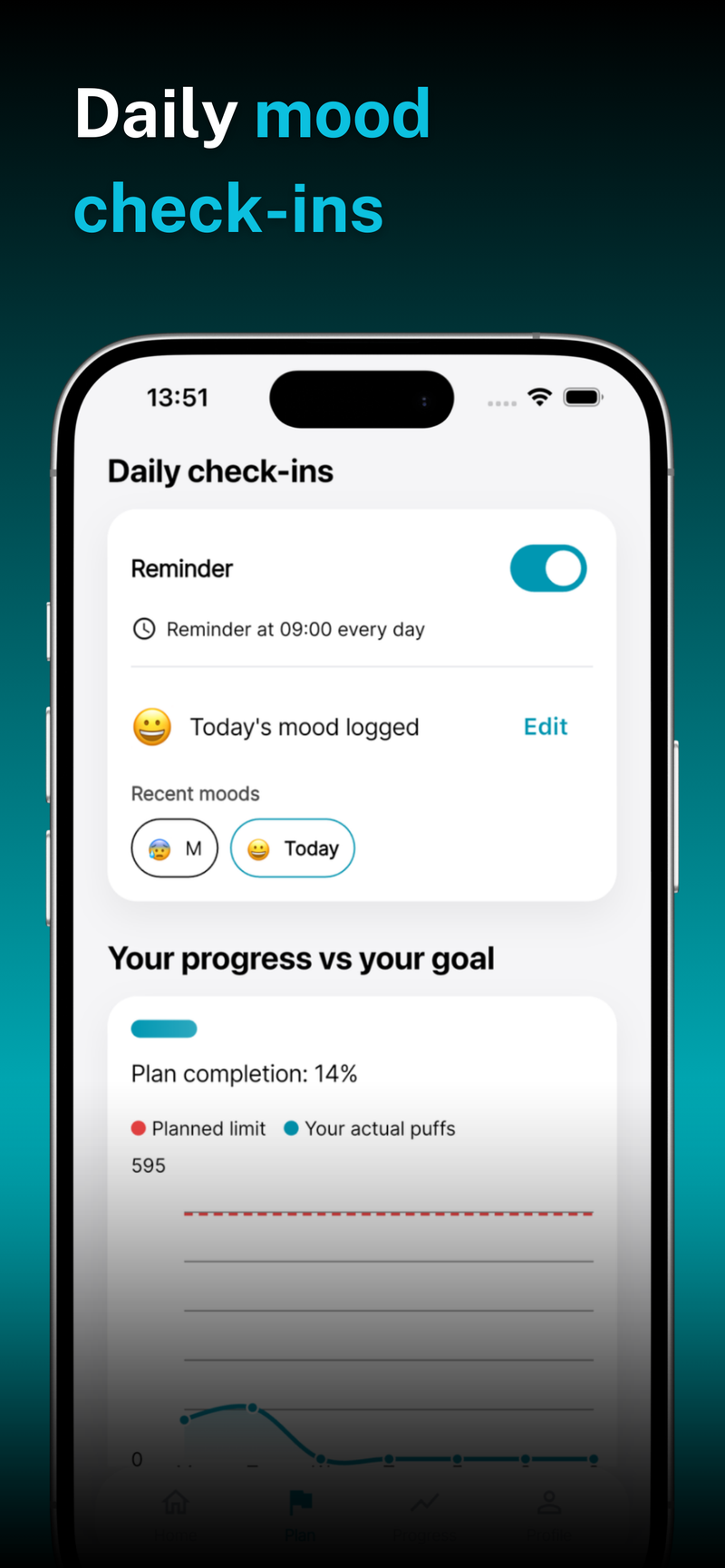
Create a simple craving toolbox:Delay for 5–10 minutes to ride out the wave.Hydrate with water or a warm beverage; sip slowly.Do a quick activity: a 2–minute stretch, a short walk, or a few minutes of deep breathing.Occupy your hands: a stress ball, fidget, or an ice cube to focus your urge elsewhere.Manage triggers and rituals:Identify times you usually smoked or vaped (coffee breaks, after meals, social events).Replace those rituals with healthier alternatives (tea breaks, a short walk, a quick shower, chewing gum).If social situations tempt you, plan a supportive buddy system or a new pre-text to leave gracefully.Sleep and energy:Maintain a consistent sleep schedule; avoid caffeine late in the day.Seek regular light activity (short walks, gentle yoga) to boost mood and energy.Nutrition and hydration:Eat balanced meals with fiber and protein to curb appetite swings.Drink water throughout the day; sometimes cravings feel like thirst.Daily check-ins:Keep a simple log of cravings, what triggered them, and what helped you resist. Review it to spot patterns.A 21-day plan: a practical week-by-week layout
Days 1–3: Prep and setupWrite a brief “why I’m quitting” statement and set a clear quit date.Remove cigarettes, vapes, lighters, and any physical cues from your environment.Stock healthy snacks, water, and comforting routines (short walks, a favorite playlist).Tell a trusted person about your plan and how they can support you.Days 4–7: Cravings management and ritual replacementUse the craving toolbox consistently: delay, hydrate, move, distract.Replace routine breaks with a 5-minute activity: stretch, tidy a small area, or step outside for fresh air.Introduce light activity: a 10–15 minute walk or easy home workout to boost mood and energy.Days 8–14: Momentum buildingTrack progress and notice improvements in sleep, energy, and taste appetite.Enhance new routines: add a brief daily breathing exercise or stretching sequence.Revisit triggers and adjust your environment (remove or alter cues, rearrange daily patterns).Days 15–21: Solidify changes and plan aheadBuild a relapse plan for high-risk moments (after drinking, during stress, at social events).Celebrate small wins (one extra day smoke-free, better sleep, more breath control).Plan ongoing support, whether through a buddy system, support groups, or a simple weekly check-in with yourself.Data-informed tips you can trust
Cravings peak early but diminish with time as you build new habits.Early improvements in breathing and energy often show up within the first two weeks.Consistency matters: even small daily wins compound into lasting change.Practical checklist to keep you on track
Quit date set and environment preparedCraving toolbox filled with quick coping strategiesRegular movement integrated into daily routineHydration and nutrition prioritizedReliable support system in placeShort daily reflections to spot patterns and celebrate progressConclusion with subtle CTA
Taking control of withdrawal is about small, steady steps—prioritizing practical coping skills, planning for triggers, and building healthier routines day by day. If you follow a structured 21-day rhythm and stay curious about what helps you most, you’ll increase your chances of lasting change. Remember to be kind to yourself; slips can happen, but they don’t define your journey.
If you’re seeking a guided, personalized path, consider tools that support onboarding and personal setup to tailor a 21-day plan to your unique situation. Quit Smoking & Vaping offers features designed to help you shape your own quit or reduction journey, with a focus on onboarding and personal setup to match your goals and daily life.
Promoted feature: Onboarding & Personal Setup