Introduction
Major life events arrive with excitement and unpredictability. The joy of weddings, new homes, a growing family, or dream trips can be tempered by the cost if you rely on credit rather than a plan. The good news: with a clear, realistic approach, you can fund big milestones without debt. For perspective, the average US wedding runs around $28,000, and home down payments often require tens of thousands of dollars. This adds up quickly, especially when you try to push costs into the same year. A thoughtful plan turns those moments into memories rather than financial stress.
Main Content
Step 1: Create a cost map for the year
List every event you expect this year (wedding, home purchase, childbirth, travel, holidays, major repairs, or unexpected medical costs).For each item, estimate a realistic price range and set a deadline by which the money is needed.Prioritize by urgency and dependency. If you can delay a nonessential expense, you gain flexibility.Example: Wedding by June ($25,000–$35,000); Home down payment by December ($15,000–$40,000); Family vacation in August ($3,000–$6,000).Step 2: Build sinking funds (calendar your savings)
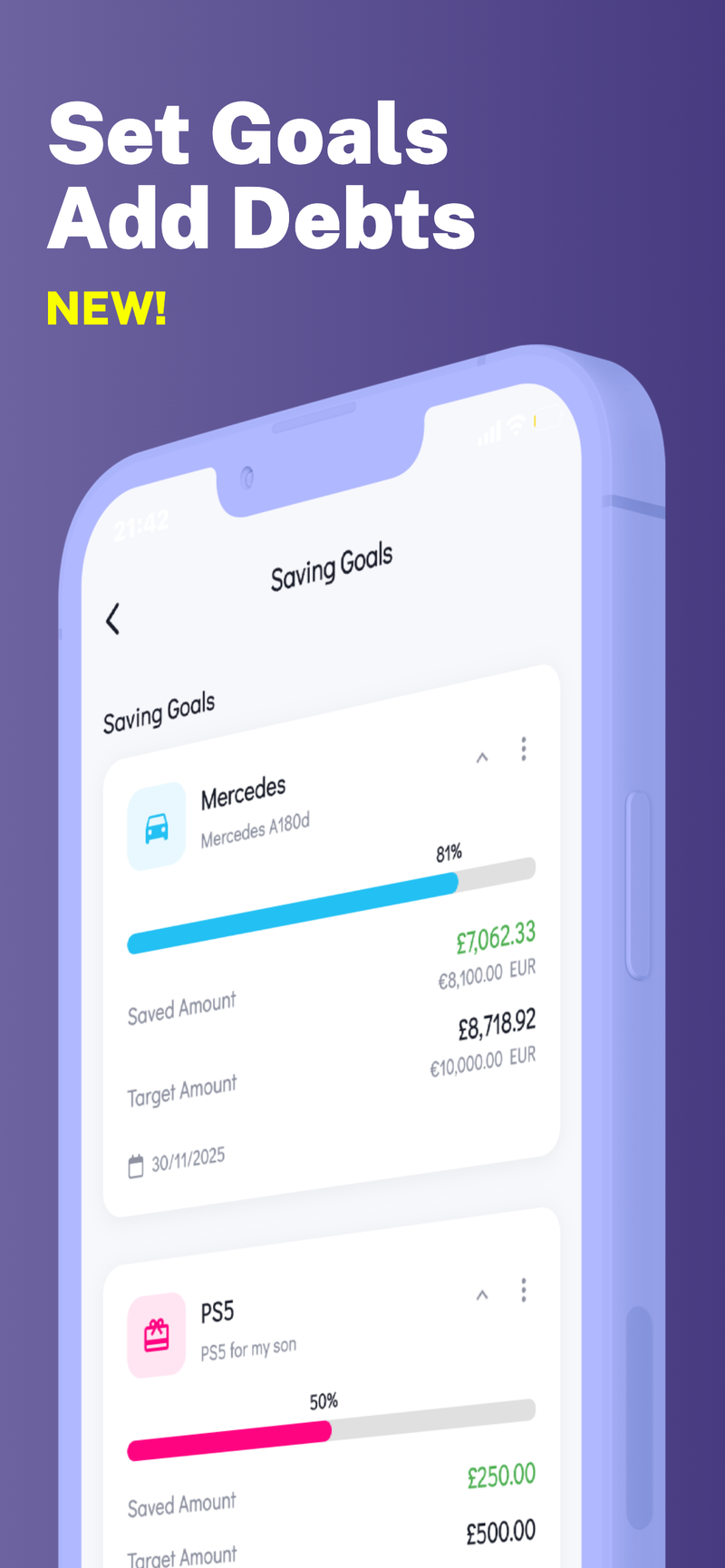
Create separate buckets (or folders) for each event: Wedding Fund, Home Fund, Travel Fund, Baby/Child Fund, etc.Set monthly targets based on your cost map. If wedding is in 12 months, target roughly 28,000 ÷ 12 ≈ 2,300 per month; if a down payment is in 18 months, 15,000 ÷ 18 ≈ 830 per month.Track each fund’s progress so you can see when you’re ahead or behind and adjust early.Step 3: Choose a budgeting framework
Zero-based budgeting: assign every dollar a job, including savings goals.Or use a practical baseline like 50/30/20 (needs/wants/savings), ensuring savings categories cover your sinking funds.Build in buffers: if a cost estimate is uncertain, use a higher target by 10–20% to account for inflation or vendor changes.Step 4: Automate saving and track progress
Set automatic transfers from checking to each sinking fund on payday.Use a simple dashboard (monthly) to compare plan vs. actual contributions and adjust.If an event date shifts, reset the target months and reallocate automatically where possible.Step 5: Reduce costs and maximize value
Start early: many vendors offer lower rates for early bookings or seasonal discounts.Compare options and negotiate: ask for bundled services or price matching for major costs.DIY where feasible: small, well-planned DIY projects can save a surprising amount.Consider group planning: shared costs for travel or family gifts can reduce per-person expense without sacrificing quality.Step 6: Manage debt while you save
If you already carry debt, use a disciplined payoff strategy. The avalanche method (pay highest-interest debt first) saves interest over time; the snowball method (pay smallest balance first) can build momentum.Avoid new debt for planned expenses. If you must consider financing, use low or zero-interest offers only when you have a clear payoff plan and timeline.Step 7: Build a safety net
Establish a small emergency buffer alongside your sinking funds: 3–6 months of essential living costs is the standard goal.Keep this fund separate so you don’t dip into it for planned events.Start with a modest target (e.g., $1,000) and scale up as your income and saving capacity grow.Step 8: Stay flexible and adjust
Schedule quarterly reviews to reassess costs, deadlines, and savings progress.If costs rise or a deadline slips, revise the plan rather than abandoning it. Delaying a nonessential expense or swapping vendors can preserve overall debt-free progress.Build in a “plan B” for shocks—unexpected medical bills, job changes, or supply delays—that requires smaller changes to your budget rather than a full reset.Quick data notes to guide planning
Weddings: average cost around $28,000 in the US (budget-conscious couples often target 40–60% of this with a longer horizon).Down payments: typical home purchases use a down payment of 6–20%; higher down payments reduce mortgage costs but require more savings upfront.Emergency funds: financial planners commonly recommend 3–6 months of essential living expenses.Debt context: many households carry some debt; prioritizing debt payoff alongside saving reduces the risk of carrying high-interest balances into big events.Conclusion
Funding major life events without debt comes from a clear plan, disciplined saving, and timely adjustments. Start by mapping costs, separating funds by goal, and automating savings so progress compounds with minimal daily effort. Build in flexibility and review results regularly to stay on track through changing circumstances. If you’re looking for a tool to help implement these steps, Fokus Budget can help with features like Multi-Profile Support to manage multiple goals and budgets in one place, while keeping your data private and on your device.