
Budgeting for Irregular Expenses: A Simple Family Plan
Irregular expenses can derail even the best budgets. Learn a practical sinking-fund approach for families—predict costs, fund them monthly, and reduce debt and stress from surprises. A simple plan, real-world numbers, and actionable steps to start today.
Introduction
Have you ever ended a month with more bills than money and wondered where the gap came from? Irregular expenses—things that don’t happen on a predictable schedule—are often the culprit. A leaky faucet, a car repair, a school trip, or a holiday splurge can blow right through a budget built for predictable costs. The good news: you can protect your family from these shocks with a simple plan that fits real life, not a fantasy spreadsheet.
Why irregular expenses threaten budgets
A small, dedicated fund creates a cushion to handle surprises without guilt or panic. In fact, many households find that a sinking-fund approach reduces the urge to raid everyday savings for emergencies. If you’re worried about a $400 emergency, you’re not alone—about 40% of adults in a federal survey said they’d struggle to cover that amount. A planned, routine contribution makes it more likely you’ll stay solvent when the next irregular cost shows up.
A simple family sinking fund plan
The goal is to predict what’s likely to require money outside the regular bills and spread those costs over months so you’re not hit with a large, unexpected bill.
Step 1 — List likely irregular costs
Think across a year and group similar events or repairs:
Step 2 — Estimate annual costs and convert to monthly targets
Estimate how much you’d expect to spend in each category over the year, then divide by 12 to set a monthly target. A reasonable starting point might look like this:
Total: about $420/mo. It’s fine to start smaller if that fits your budget; the key is consistency. Add a cushion (round up by 10-20%) to account for price increases and surprise costs. A target of $450–$500/mo is a practical starting point for many families.
Step 3 — Decide where to hold the funds
Step 4 — Automate and review
Step 5 — Make the fund resilient
Practical tips and common pitfalls
Keeping the plan flexible and durable
Quick-start plan for busy families
Measuring success
Conclusion
Irregular expenses don’t have to derail your family’s finances. By identifying likely costs, estimating them honestly, and funding them steadily each month, you create a durable cushion that makes budgeting feel calmer and more controllable. Start small if needed, automate what you can, and review annually so the plan stays relevant.
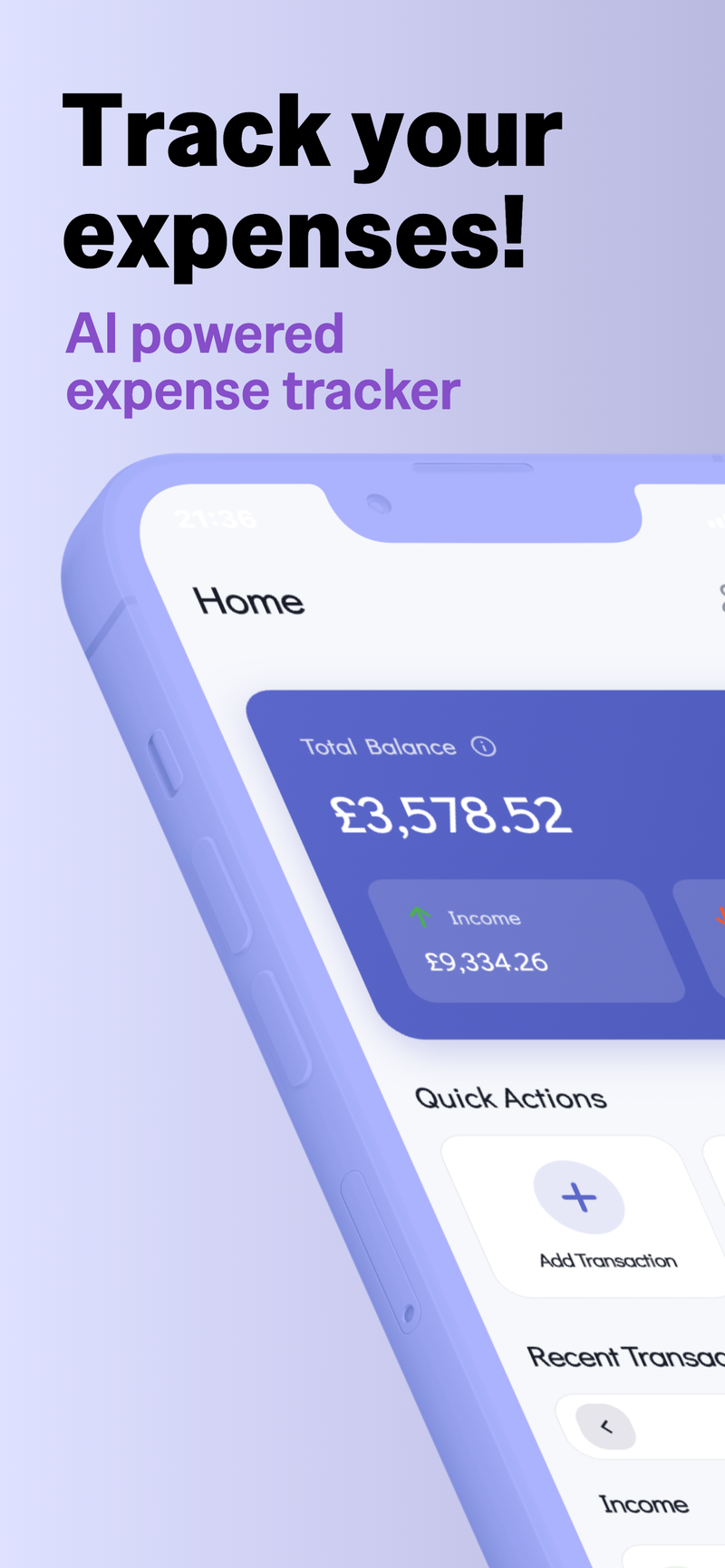
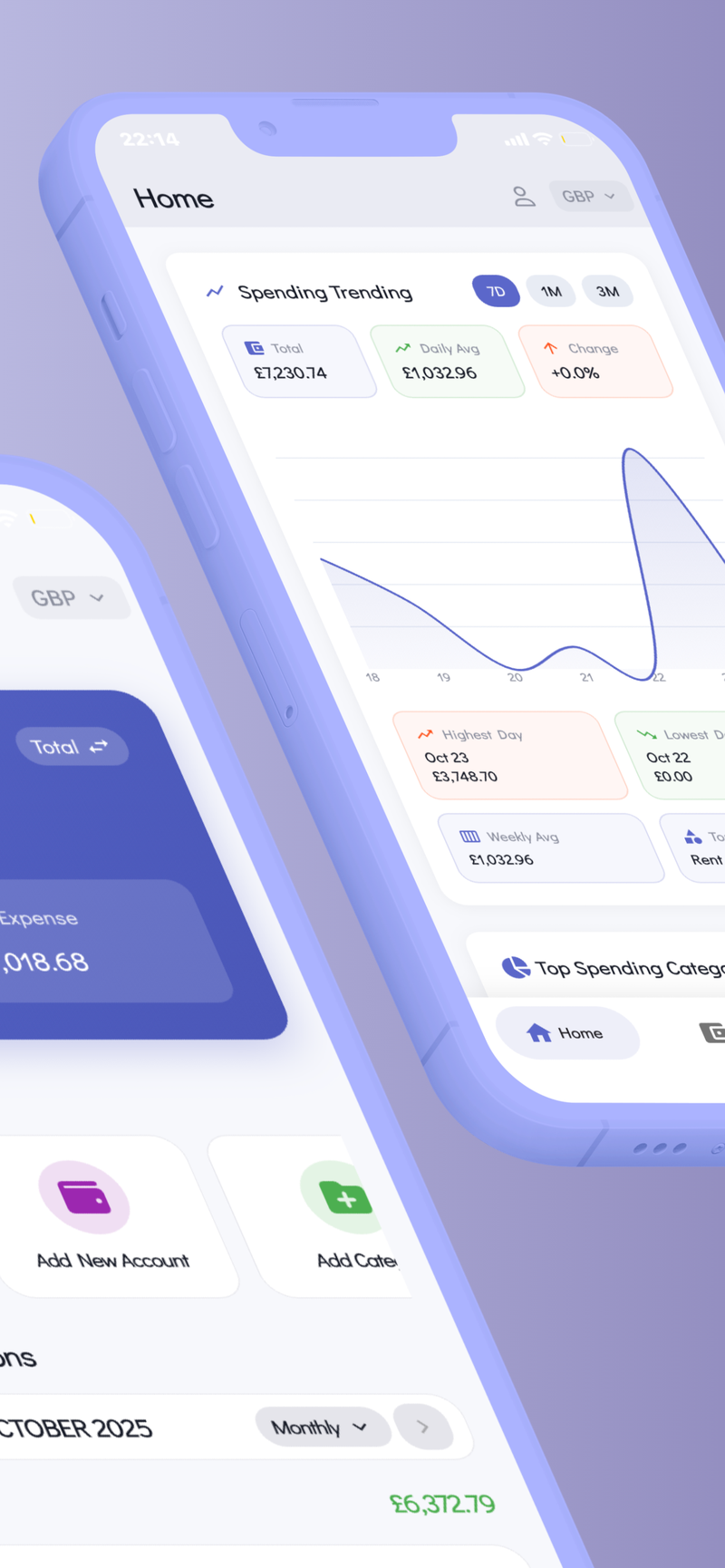
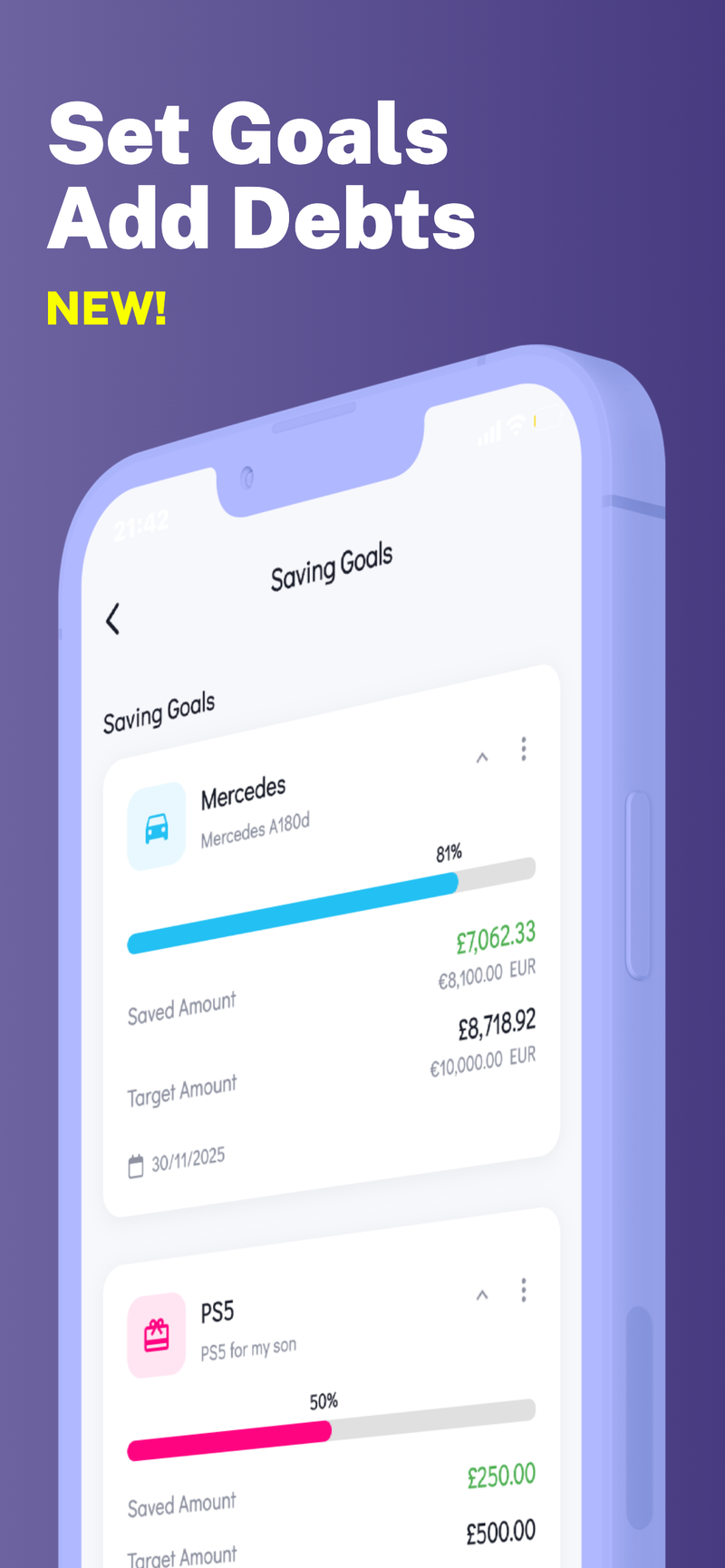
If you’d like a private, privacy-focused way to manage these funds across your family, a tool that supports organizing money by profile and keeps data secure on your device, Fokus Budget can help with this. Its Multi-Profile Support feature makes it easy to track different family budgets in one place, helping you stay aligned as life changes.


✨ Multi-Profile Support