
Budgeting for Irregular Paydays Without Panic Today
Irregular paydays can derail budgets and fuel anxiety. This guide offers practical steps to anchor essentials, build a buffer, and plan around variable income so you can pay today without panic tomorrow.
Introduction
If your paycheck arrives on a different day every month, your budget can feel like a high-wire act. You might finish a busy month with more money, then hit a lean stretch when a payday shifts or a bill arrives earlier than expected. Irregular income isn’t a sign of instability—it's a reality for many workers, freelancers, and households. The goal is not to predict every dollar perfectly, but to create a structure that keeps essentials covered, reduces panic, and lets savings catch up over time.
In the sections below, you’ll find practical steps you can apply today. The focus is on anchoring essential expenses, smoothing cash flow across paydays, and building a small, reliable buffer that grows when money is plentiful and supports you when it isn’t.
---
Main Content
Step 1: Define essential expenses first
Start with a hard list of non-negotiables each month:
Aim to total these essential costs for a typical month. If you’re unsure, review the last 3–6 months of bank statements and receipts to identify what you consistently had to pay.
Step 2: Build an income baseline for irregular paydays
Because income fluctuates, a traditional monthly budget can misfire. Instead, compute a baseline from an annual view:
In months when you earn more, allocate the surplus to savings or to a lean-month fund. In lean months, rely on that built baseline to keep essential expenses covered without draining every reserve.
Step 3: Create a buffer and an emergency fund
Two safety nets matter:
How to build it:
Step 4: Schedule paydays and align bills
A key to stability is synchronizing income with obligations:
Step 5: Create a flexible spending plan (anchor, bridge, and buffer)
Treat your budget as three buckets:
A practical approach is to fund Must-haves first, then determine how much money remains for Bridges, and finally cap Wants. In high-income months, allocate a portion to savings and debt repayment; in lean months, let Bridges shrink while Must-haves stay covered.
Step 6: Use income smoothing to cover variability
Think of your money like a tide:
This approach reduces the emotional pull to overspend when money is plentiful and protects you when it’s not.
Step 7: Real-time tracking and weekly check-ins
Short, consistent reviews beat sporadic, intensive budgeting sessions.
Step 8: Manage debt with irregular income
Step 9: Use automation—and use it wisely
Automation can reduce daily friction, but with irregular paydays you’ll want to:
Quick example
Lean month: Income = $2,800; Essential expenses = $2,650; Buffer draw = $150; Savings/extra debt payments = $0.
Bright month: Income = $4,900; Essential = $2,700; Buffer top-up = $600; Savings = $800; discretionary = $300.
By keeping Must-haves stable and letting the buffer and savings absorb variability, your overall cash flow stays calmer and more predictable.
---
Conclusion
Irregular paydays don’t have to equal financial chaos. By anchoring essential expenses, building a modest buffer, and planning payments around paydays, you can reduce panic and improve your long-term financial health. The key is to treat income variability as a solvable puzzle rather than a crisis, and to review your plan regularly so it evolves with your finances.
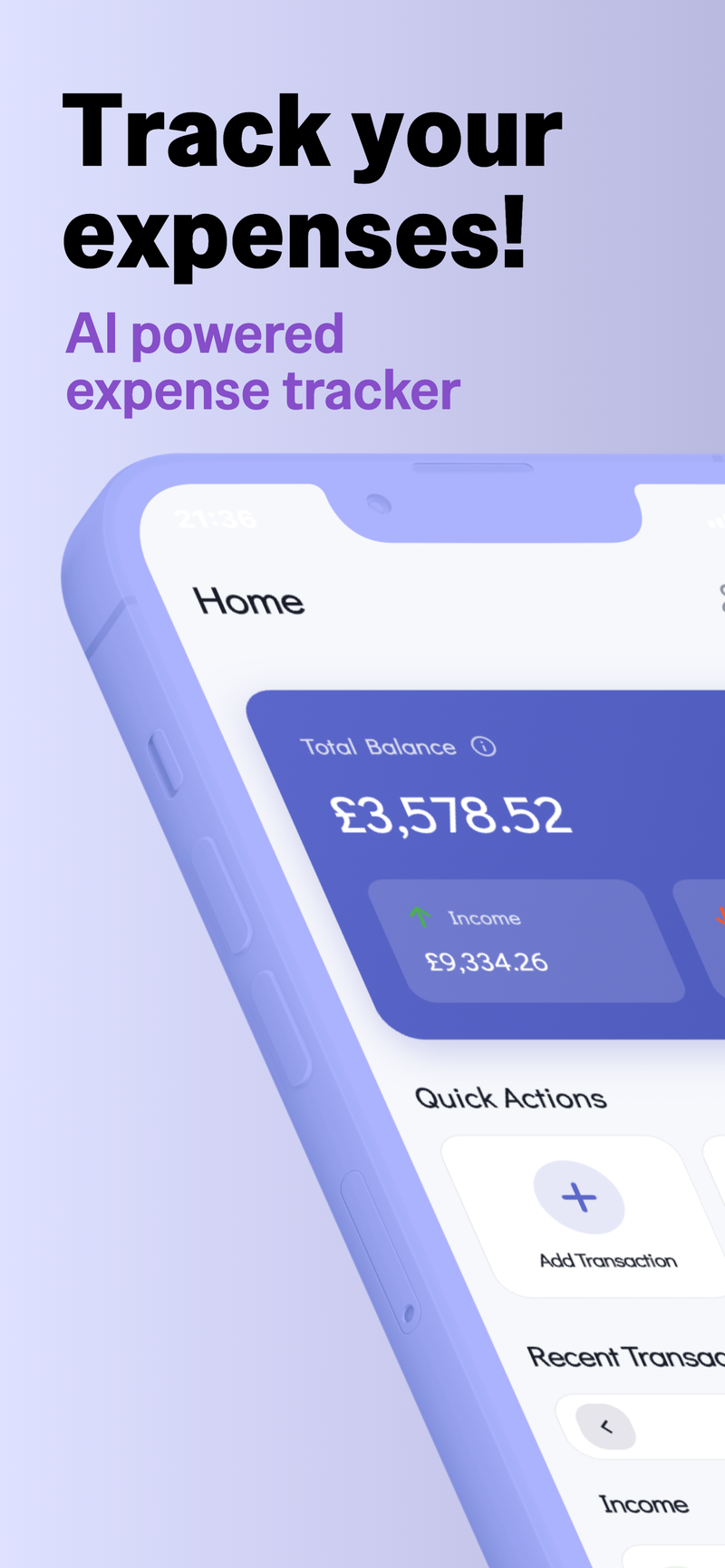
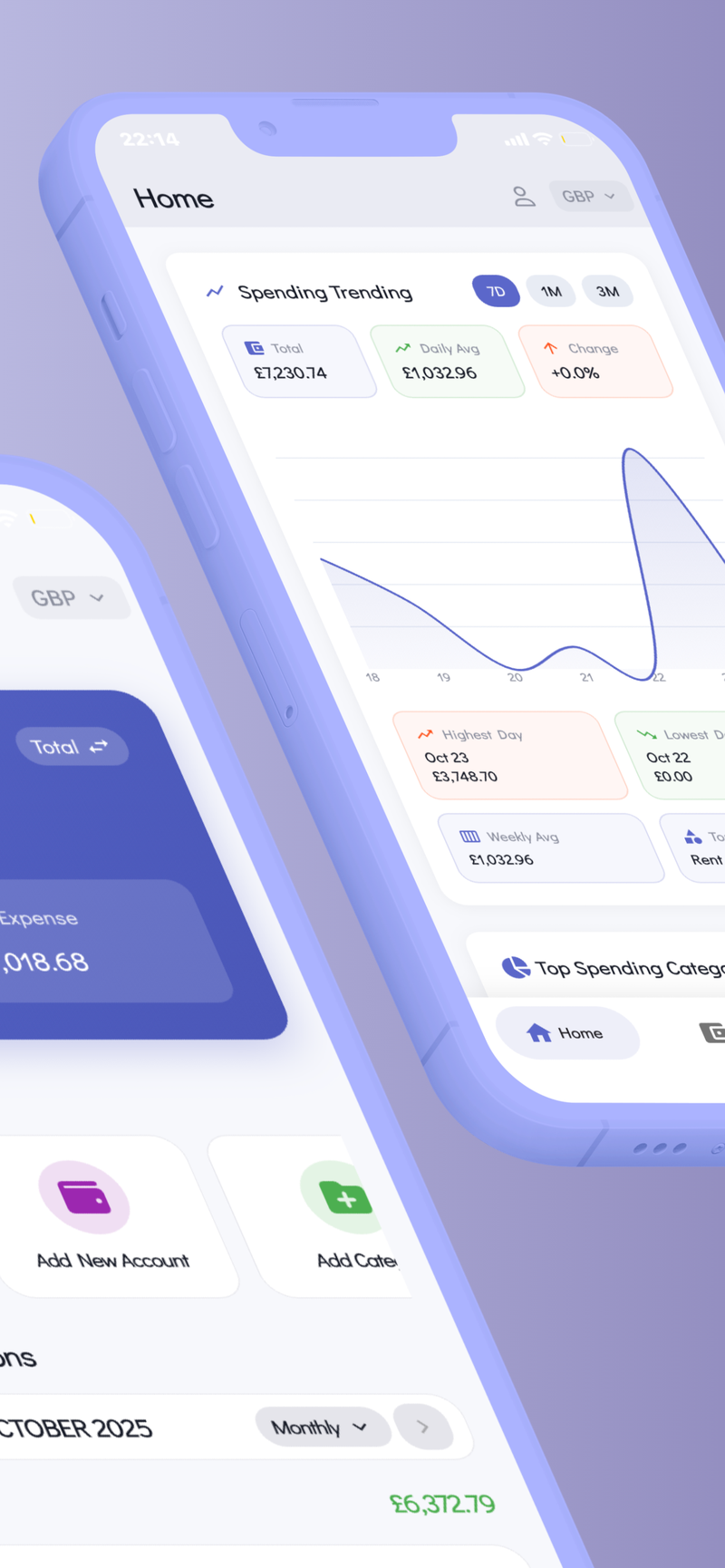
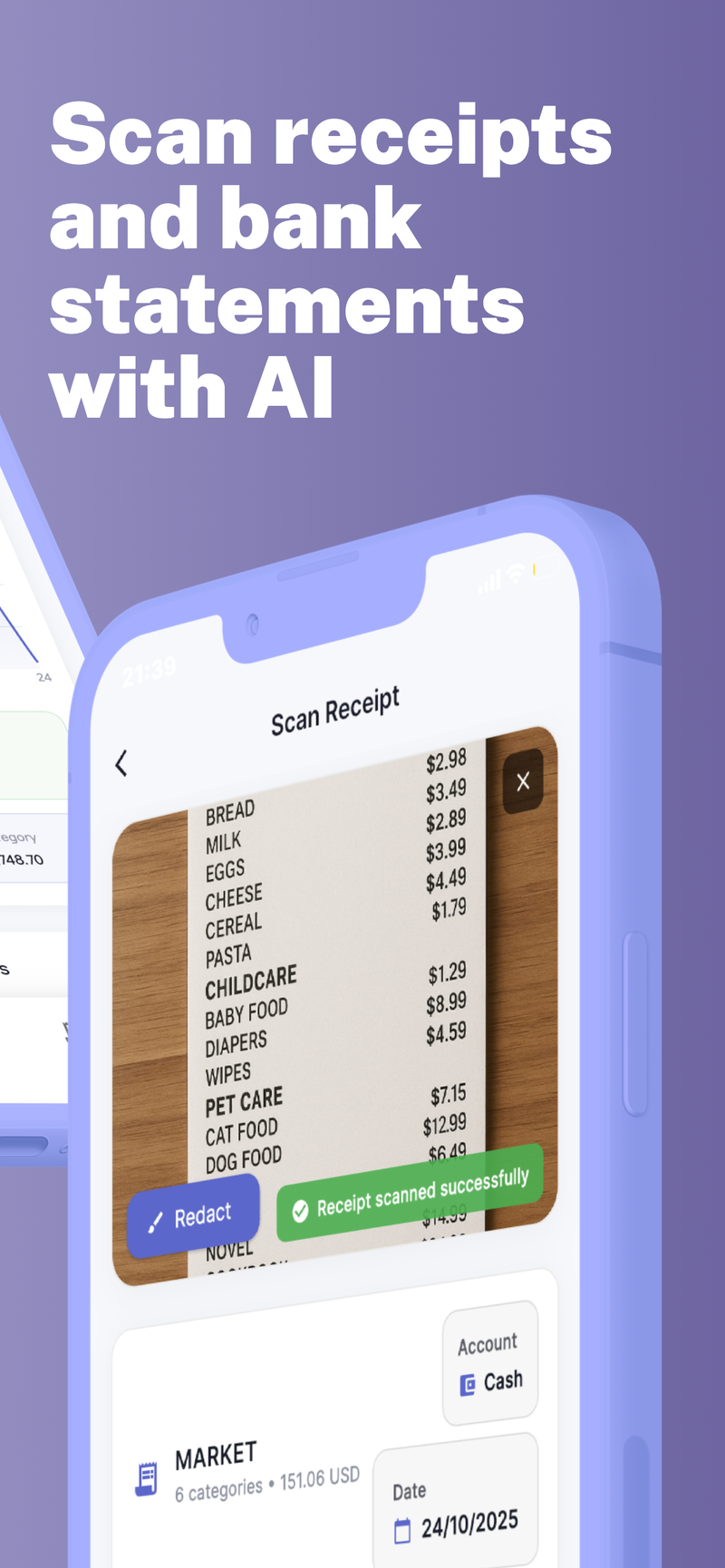
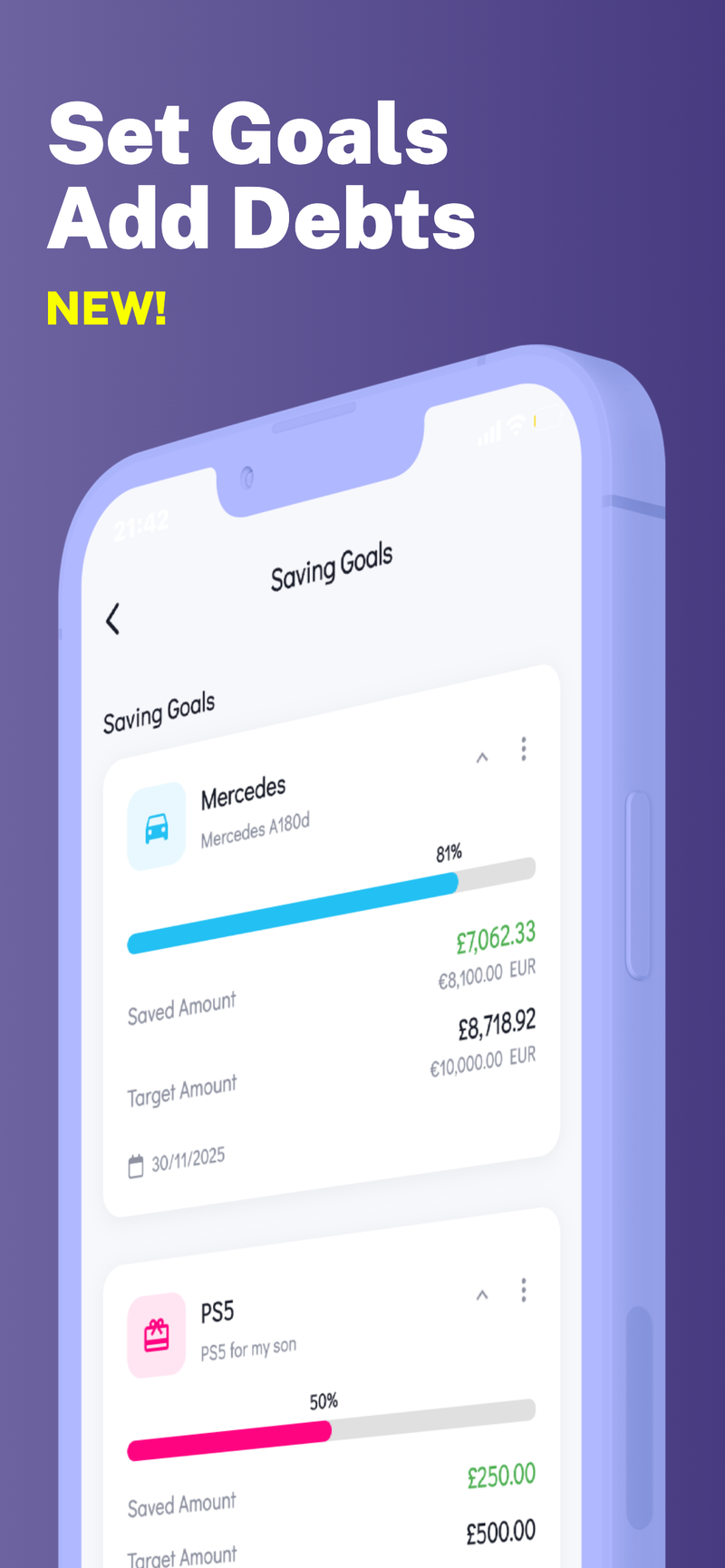
If you’re looking for a practical budgeting tool to support this approach—one that helps you manage multip

✨ Multi-Profile Support