
Budgeting for Kids' Activities Without Breaking the Bank
Learn practical, battle-tested strategies to fund kids' activities without breaking the bank. From tracking costs to prioritizing value and leveraging community resources, this guide helps families budget with confidence.
Introduction
Are you constantly balancing between giving your kids enriching experiences and keeping costs under control? You’re not alone. Many families feel the squeeze when enrichment, sports, music lessons, and clubs pile up. The goal isn’t to cut out activities, but to design a practical plan that makes room for what matters while avoiding financial stress.
If you approach budgeting for kids' activities with a clear framework, you’ll reduce last-minute scrambles and guilt-driven purchases. The trick is to map costs, prioritize what truly benefits your child, and lean on affordable options when possible.
Main Content
Know where your money goes
Begin by tracking every dollar spent on activities for a month. Separate recurring fees (weekly classes, monthly memberships) from one-off costs (camps, special workshops, gear). A simple spreadsheet or budgeting sheet can reveal patterns you didn’t expect:
A realistic baseline helps you set boundaries. For many families, costs vary widely—rough estimates for organized activities range from a few hundred to well over a thousand dollars per child per year depending on the activity and region. Understanding your actual numbers is the first step to smarter decisions.
Prioritize activities that build skills
Ask: which activities align with long-term goals—physical health, creativity, teamwork, confidence, or community involvement? Give each option a simple value score:
Focus on those with higher scores and be willing to pause or drop lower-scoring activities. Not every interest needs a full commitment; rotate opportunities so kids can explore without locking in costly ongoing costs.
Create a family activity budget
Step-by-step guide:
1) List all activities your kids participate in this season and their costs.
2) Note frequency (weekly, monthly, quarterly) and duration.
3) Set a realistic monthly cap per child (e.g., $50–$150, depending on income and obligations).
4) Build a buffer for unexpected expenses (equipment needs, travel outages, or seasonal camps).
5) Review commitments every 4–8 weeks to adjust.
Example: A family with two kids might aim for a combined activity budget of around $150–$250 per month. If a favorite class becomes expensive, consider pausing for a month and reallocating that money to a different hobby with lower ongoing costs.
Practical ways to save
Make the most of community resources
Public libraries, museums with free days, city recreation centers, and nonprofit organizations often offer low-cost or free programs. Many communities also run volunteer-led activities where your family can contribute time in exchange for access or credits. Free trials and “open house” days provide a risk-free way to gauge interest before committing funds.
Beat the sticker shock with a quarterly plan
Treat budgeting like a living document. Every 3 months, reassess:
Adjust the plan, reallocate funds, and keep a running calendar of renewal dates and deadlines to avoid surprise charges.
Track, review, adjust
End each month with a quick review: what was spent, what was enjoyed, and what can be improved. If you overspent, identify the culprit (e.g., new gear, expensive camps) and decide whether to curb, postpone, or substitute. If you underspent, consider reallocating surplus to a future activity, gear upgrade, or a family outing that supports learning and bonding.
Small, deliberate changes compound over time. The aim is consistency, not perfection.
Conclusion
Budgeting for kids’ activities isn’t about restricting joy; it’s about intentional choices that reflect your family’s values and resources. Start with tracking, then prioritize, then look for savings in gear, timing, and community options. A clear plan reduces stress and helps children gain from experiences without overwhelming your finances.
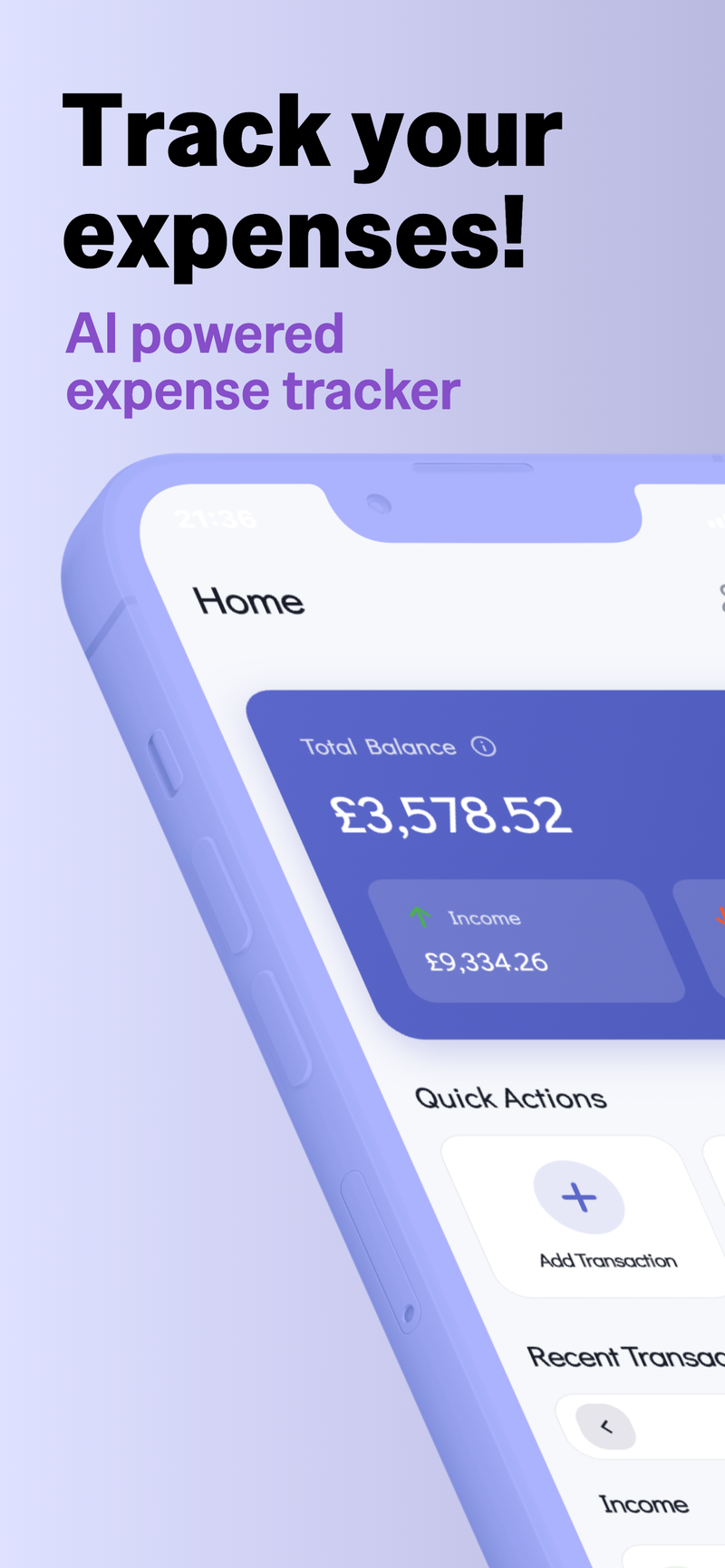
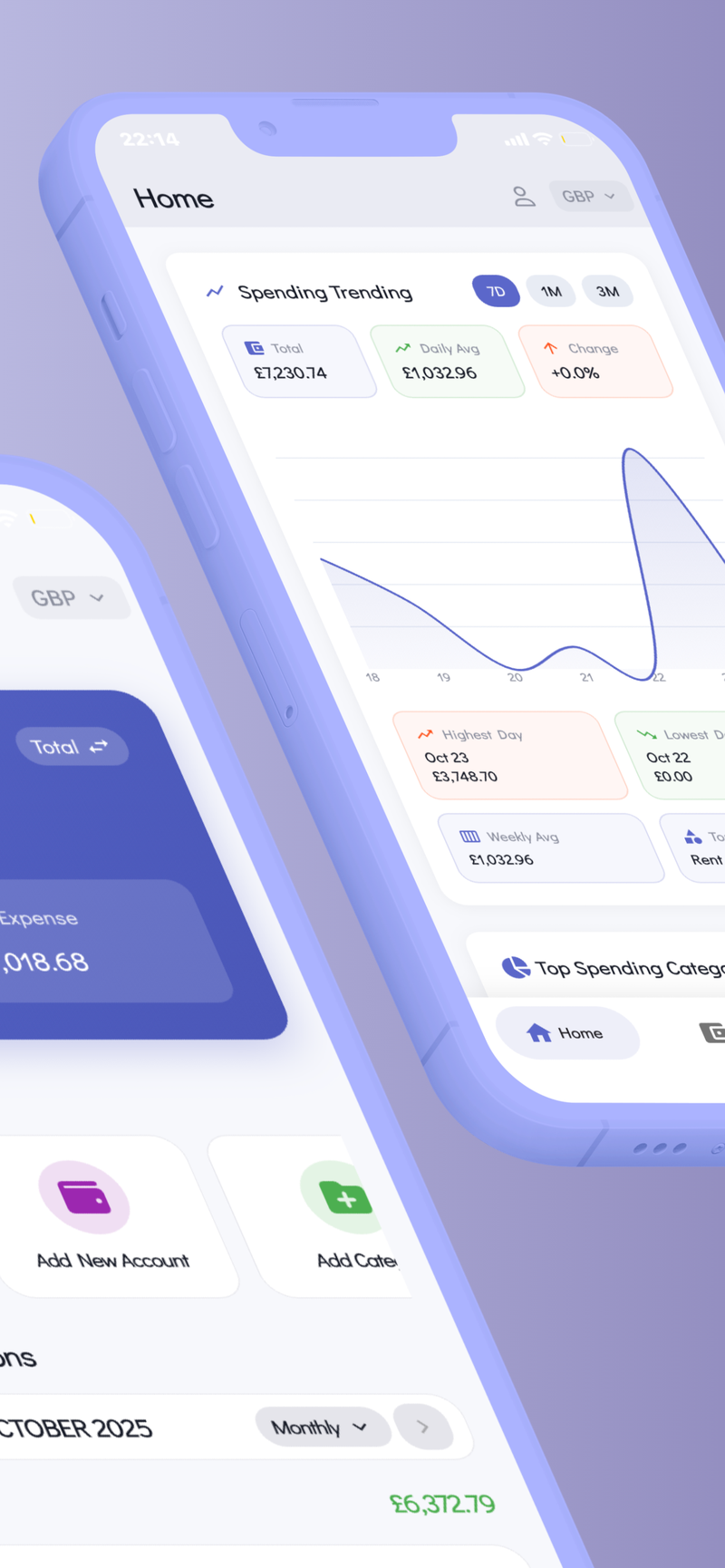
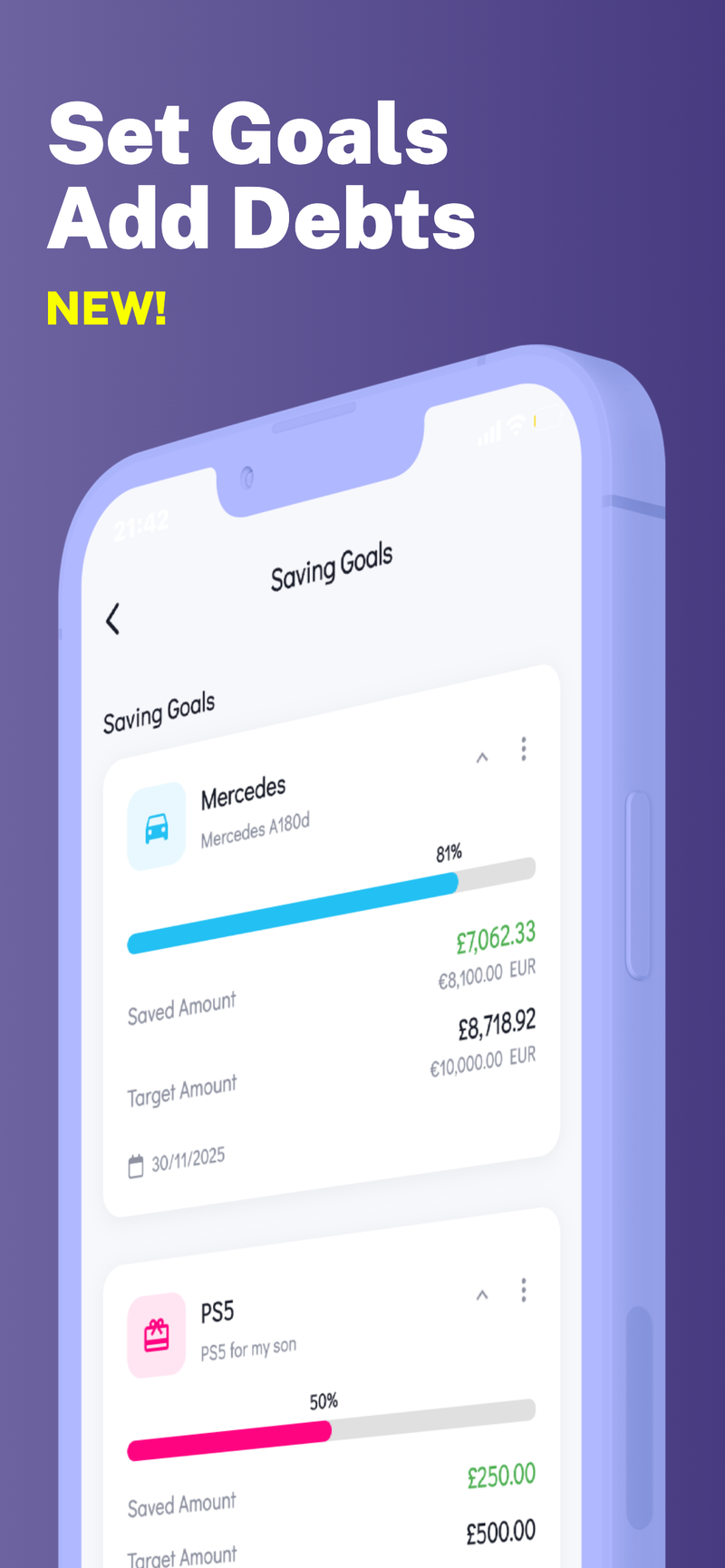
If you’re looking for a practical way to manage your family’s money—especially when multiple people are involved and you want to keep things organized—a tool that supports clear budgeting across profiles can be helpful. Fokus Budget offers Multi-Profile Support to manage different family or household budgets in one place, helping you stay aligned with your goals while keeping sensitive data private on your device.


✨ Multi-Profile Support