Introduction
If your paycheck shuttles between feast and famine, you’re not alone. Irregular income can make it feel impossible to cover bills, save for the future, and still enjoy life. The key isn’t to chase a perfect month, but to build a resilient approach that adapts to reality.
The 6-Step Plan for Families with Irregular Income
Step 1: Map your income reality
Track income for at least 12 months to understand patterns rather than assume consistency.Calculate a meaningful average and note seasonality (peaks and troughs across quarters).Define income bands: low, typical, high.Example: Javier and Lin’s family earned between $3,000 and $5,500 per month last year; their average was around $4,200, with higher months during holidays and lower months in summer.Step 2: Build a flexible baseline budget
List essential expenses first: housing, utilities, groceries, transport, childcare.Distinguish fixed vs. variable costs to see where you can adjust.Create a "minimum viable budget" that covers essentials for lean months—this is your floor.Action steps: write baseline costs, assign rough envelopes or categories, and set a lean-month target to guide discretionary cuts when income drops.Step 3: Create sinking funds
Sinking funds are small, regular deposits to cover predictable, non-monthly costs.Categories to consider: holidays and gifts, school supplies, car maintenance, home repairs.Setup: open separate sub-accounts or categories and automate monthly transfers so funding happens without you thinking about it.Step 4: Income smoothing strategies
Principle: save the surplus in good months to cushion lean months.Tactics:Set up automatic transfers from the month’s income to savings when you’re above your baseline.In lean months, rely on sinking funds and reduce discretionary spending to stay within the minimum viable budget.Avoid high-interest debt; delay non-urgent purchases until a healthier month arrives.Quick tip: keep a simple spending limit for discretionary buys to avoid creeping expenses during strong months.Step 5: Forecasting and review cadence
Use a rolling forecast based on the last 6–12 months to anticipate future cash flow.Create scenarios: best-case, typical, worst-case.Monthly review: compare actuals to forecast, adjust categories, and revise sinking fund targets as needed.Practical tools: a basic spreadsheet or a budgeting notebook works well without adding friction.Step 6: Protect and optimize
Emergency fund: aim for 3–6 months of essential expenses to weather big irregularities.Debt strategy: prioritize minimum payments on high-interest debt; allocate surplus to saving or gentle debt reduction in better months.Insurance and tax planning: ensure appropriate coverage if income varies, and set aside taxes when you’re self-employed.Consider adding a side gig or passive income stream to reduce reliance on any single income source.Putting it into practice
Start with a 12-month income map and your baseline budget. Create at least one sinking fund category in the next week.Automate wherever possible to reduce decision fatigue during lean months.Schedule a monthly 20–30 minute review to adjust forecasts and reallocate funds as needed.> Practical takeaway: the goal is resilience, not perfection. A simple structure that aligns with your real cash flow will reduce stress and improve decision-making during volatile months.
Conclusion: Turning plan into habit
By mapping income, building a lean baseline budget, and using sinking funds alongside regular forecasting, families can navigate irregular income without sacrificing essentials or long-term goals.
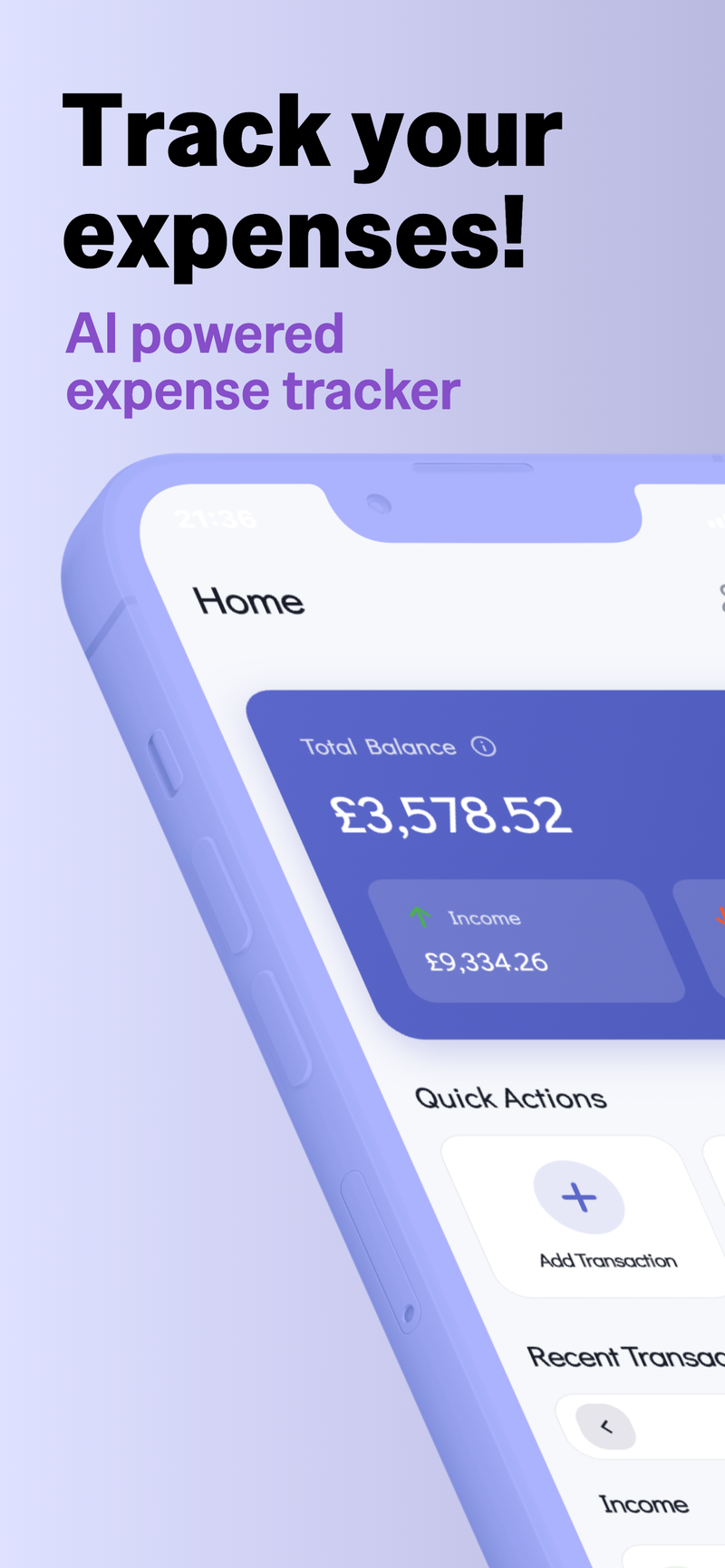
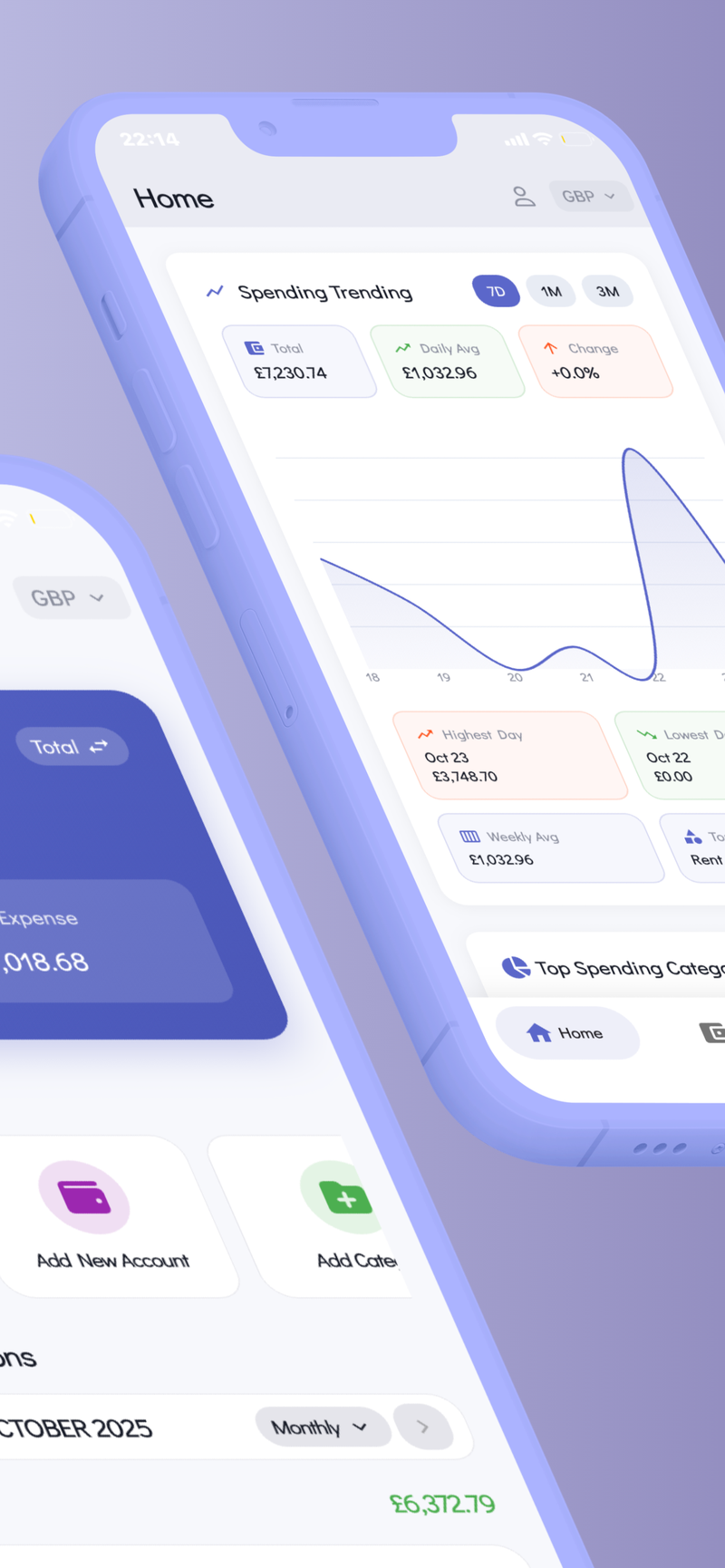
If you’re looking for a practical way to apply this plan, Fokus Budget can help you test different family scenarios with multi-profile organization and privacy-first data, making it easier to experiment and stay on track. Focus on outcomes, not hype, and your finances will thank you.