Introduction
Are you continually surprised by how much you spend—and how little you save—each month? If a year-long budget feels intimidating, you’re not alone. The challenge isn’t simply tracking expenses; it’s building a forecast that accounts for real-life fluctuations, seasonality, and those one-off costs that pop up when you least expect them. The good news: with a practical framework, you can turn a vague sense of money in, money out into a clear 12-month plan that frees up cash for goals like emergencies, vacations, or college funds.
Start with a real baseline
Gather the last 12 months of expenses: bank statements, receipts, and bills. Don’t skip irregular months; the outliers matter for a realistic forecast.Identify your categories: housing, utilities, groceries, transportation, insurance, healthcare, debt, dining out, entertainment, and miscellaneous.Compute an average month-by-month baseline. Note which months were unusually high or low (holidays, vacations, school fees).Tip: use a single sheet with a separate column for each month to visualize trends at a glance.Map fixed versus variable expenses
Fixed costs (predictable month to month): rent/mortgage, loan payments, insurance, subscriptions.Variable costs (more susceptible to change): groceries, dining, fuel, clothing, entertainment.Aim for a semi-zero-based approach: allocate every dollar to a category, even if that allocation is a cushion for variability.Practical idea: set a 5–10% contingency for the month to cover small surprises without derailing the forecast.Build a 12-month forecast framework
Create a simple template: 12 calendar columns (Jan–Dec) with rows for each category and a row for total expenses.Include seasonality: expect higher utility bills in winter, back-to-school purchases in late summer, and travel costs in certain months.Plan for irregular income or one-offs: if you receive a bonus, tax refund, or seasonal income, decide whether to allocate part of it toward debt, savings, or a specific goal.Use a rolling forecast mindset: update the forecast monthly as actuals come in, not just at year-end.Scenario planning
Build three forecast scenarios: typical, optimistic, and cautious.Typical: forecast based on your adjusted baseline with minor improvements (e.g., a 2–5% cut in discretionary spending).Optimistic: higher savings rate or lower-then-expected costs (e.g., fewer emergencies, steady income).Cautious: add additional cushion for potential job changes or health costs.By comparing scenarios side by side, you’ll see where you have flexibility and where you must protect cash flow.Savings targets and debt management
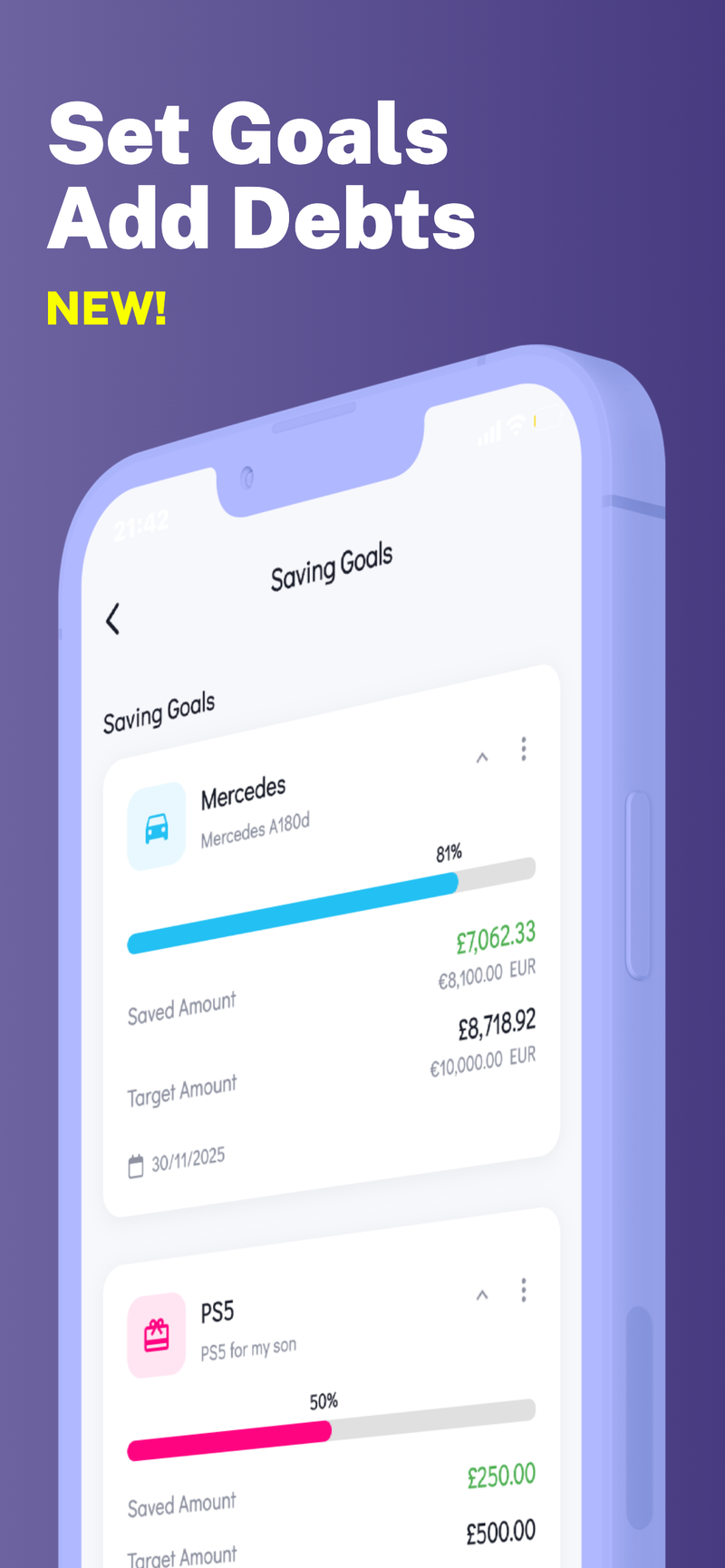
Emergency fund: aim for 3–6 months of essential expenses. If you’re starting fresh, set a monthly goal (e.g., 5–10% of income) until you reach the target.Automatic transfers: set up monthly transfers to savings and debt payments timed with your paycheck.Prioritize debt: choose an approach (avalanche vs. snowball) and reflect the payoff timeline in your forecast.Small but steady wins: enroll in programs that round up purchases to boost savings without feeling painful.Build in review and adjustment cadence
Schedule a monthly budget review (15–30 minutes).Compare forecasted numbers to actuals, identify variances, and ask two questions: What changed, and what should we adjust next month?Update seasonality assumptions as needed. If a category consistently overshoots, reallocate or trim elsewhere.Keep a running log of lessons learned for next year’s forecast.Tools, templates, and workflows
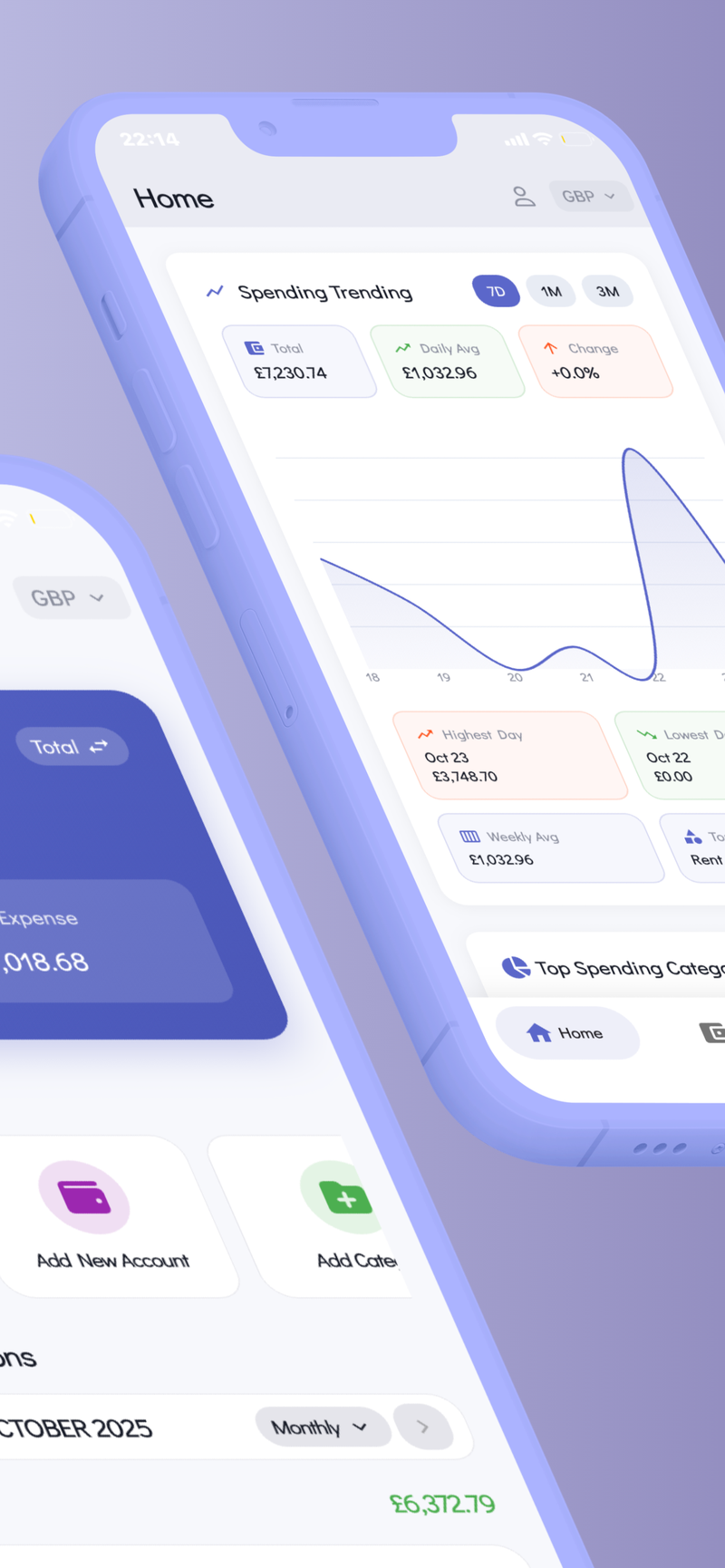
Start with a simple spreadsheet or a clean budgeting template. Use formulas to sum totals and calculate variances automatically.Use color-coding: green for on-target, yellow for caution, red for overages.If you prefer digital tools, look for calendar-based income/expense planning that lets you view Jan through Dec at a glance and supports scenario planning.Data hygiene matters: ensure consistent category naming and regularly cleanse duplicate or forgotten transactions.Practical tips to save more this year
Plan meals and grocery lists before shopping to reduce impulse buys.Batch purchases: buy non-perishables in bulk, price-check before big-ticket items, and capitalize on sales with a pre-planned use.Cut discretionary spends strategically: a 10–15% cut in dining out or entertainment can noticeably lift savings without sacrificing quality of life.Automate small savings: set up micro-transfers to a dedicated savings account with a 24–48 hour hold to curb impulse spending.Align goals with timing: schedule big costs (like vacations) in months with typically lower discretionary spending.Use a calendar-based reminder for renewals and annual fees to avoid surprise charges.A quick 12-month calendar snippet
January: post-holiday recovery, higher utility usage, start of school-related costs.March–April: spring maintenance, clothing refresh, taxes/filing costs.July–August: vacation season, groceries spike, back-to-school prep.November–December: holidays, gifts, and travel; increase discretionary budgets or adjust savings accordingly.Throughout: monitor variable categories closely; adjust as you observe true spending patterns.Conclusion
A solid 12-month forecast isn’t about predicting every penny with perfect accuracy—it’s about creating a structured plan that anticipates normal fluctuations, preserves cash for essential needs, and carves out space for savings. Start by building a grounded baseline, separate fixed and variable costs, and layer in seasonality and scenarios. Commit to a monthly review, keep your data organized, and adjust with intent instead of emotion. With a disciplined approach, you can reduce anxiety around money and align your spending with your family’s values and goals.
If you’re seeking a private budgeting tool that keeps your data on-device and sup