
·Budgeting
Build a 30-Day Family Emergency Fund: Fast Start Guide
Learn a practical, 30-day plan to start a family emergency fund with actionable steps, quick savings tactics, and realistic targets. This guide emphasizes momentum, affordability, and sustainable habits to weather unexpected costs.
personal financefamily budgetingemergency fundsavingsfinancial planning
Introduction When the unexpected hits—a car repair, a medical bill, or a sudden home fix—where will you turn? For many families, one surprising expense can derail a month’s budget or push a family into debt. The Federal Reserve's 2023 survey found that about 61% of adults would struggle to cover a $400 emergency expense, underscoring how fragile some budgets remain. Building an emergency cushion doesn’t have to take years; a focused 30-day sprint can create a starter fund that reduces stress and buys time to respond calmly. The goal of this guide is practical and doable: help you build a starter emergency fund in 30 days, with clear steps, realistic targets, and tactics you can actually implement this month. Think of it as a fast start that you can expand later to 3–6 months of expenses. ## Main Content ### Step 1: Define a realistic 30-day target A solid starting point is one month of essential expenses. To estimate this, list every non-discretionary cost you must pay each month: - Housing (rent or mortgage) - Utilities (electric, water, gas, internet) - Groceries for the family - Essential transportation (fuel, public transit) - Insurance premiums (health, auto, home) - Minimum debt payments - Medical and child-care basics not covered by insurance Add these up to get your essential monthly total. If your essential costs come to around $3,500 for a family of four, your starter target is $3,500 to cover one month of essentials. If that feels steep for a 30-day sprint, create a two-tier goal: - Ambitious path: target one full month of essentials in 30 days (e.g., $3,500 in the example). - Gradual path: target a practical starter fund of $1,000–$1,500 and commit to increasing it in the next 30 days. Either path helps; the key is to start and keep momentum. ### Step 2: Create a concrete 30-day savings plan Break the target into achievable chunks and assign a simple payment rule. Here’s a practical approach: - Daily habit: decide on a daily amount to set aside, even if it’s small (e.g., $5–$15). - Weekly goal: multiply the daily amount by 7 to define a weekly target. - Pay week-by-week: set up a plan to transfer funds into a dedicated “Emergency Fund” on a fixed day each week. Example: If your target is $3,500 and you choose to save daily, you’d aim for about $117 per day. If that’s too aggressive, switch to weekly targets (e.g., $800 per week) and adjust as you go. Small, consistent contributions beat large, irregular ones. The key is automation or a strict routine so the money doesn’t slip away. ### Step 3: Cut expenses quickly, with focus Use fast wins that don’t affect essential needs: - Pause 1–2 nonessential subscriptions (streaming, apps) for 1 month. - Brew coffee at home instead of buying daily. - Pack lunches or swap dining-out nights for a simple meal at home. - Re-evaluate groceries: switch to cheaper store brands, use a shopping list, and plan meals to reduce waste. - Negotiate or switch to lower-cost plans for utilities or mobile services where possible. - Delay discretionary purchases and use a 24–72 hour waiting rule for big buys. Track every saved dollar and reallocate it to the fund—these cuts compound quickly in a 30-day window. ### Step 4: Boost income quickly If cutting isn’t enough, small, short-term income boosts can close the gap: - Offer freelance or gig work aligned with your skills (evenings or weekends). - Rent out a spare space or sell unused items around the home. - Use “find-it” income: complete quick online tasks, pet-sitting, tutoring, or yard work in your community. Even a few extra hours per week can add up. Put all windfalls—gifts, tax refunds, even cashback—directly into the fund. ### Step 5: Automate and track progress Set up a simple tracking system to stay motivated: - Create a dedicated savings account or a labeled envelope/category for the fund. - Schedule automatic transfers on payday or a fixed date each week. - Check progress every 3–4 days and adjust your plan if you’re not on track. Regular visibility helps you stay accountable and prevents the fund from being used for non-emergencies. ### Step 6: Stay flexible and protect the fund Life is dynamic. If you experience a temporary income drop or a large one-off expense, re-scope your target and adapt: - Recalculate essential expenses for the month and reset a smaller 30-day target if needed. - If you must dip into the fund, replenish it as soon as possible to preserve the safety buffer. - Consider keeping the fund in a separate, accessible account so it isn’t mixed with day-to-day spending. A 30-day sprint isn’t about perfection; it’s about momentum and creating a safety net you can grow. ### Quick-start 4-week plan (at-a-glance) - Week 1: Calculate essentials, set a target, and identify 2–3 quick cuts. - Week 2: Implement cuts, begin small side work, and start automatic transfers. - Week 3: Push additional savings with any windfalls; reassess spending. - Week 4: Reach or approach your target; set a plan to grow the fund over the next 2–3 months. A simple calendar like this helps maintain discipline and makes the 30 days feel doable rather than overwhelming. ## Conclusion A well-timed emergency fund can prevent a minor setback from becoming a major setback. By defining a clear 30-day target, building a steady savings plan, trimming nonessential costs, and finding quick income boosts, you create a practical safety net that protects your family’s finances. Remember, the goal is to start somewhere you can sustain and grow from over the coming months. If you’d like a convenient way to coordinate this effort across family members and keep your data private on your device, Fokus Budget offers Multi-Profile Support to track multiple budgets in one place. It’s a thoughtful option if you’re managing finances for a household and want a privacy-first approach to stay organized without mixing personal streams of money. Consider it
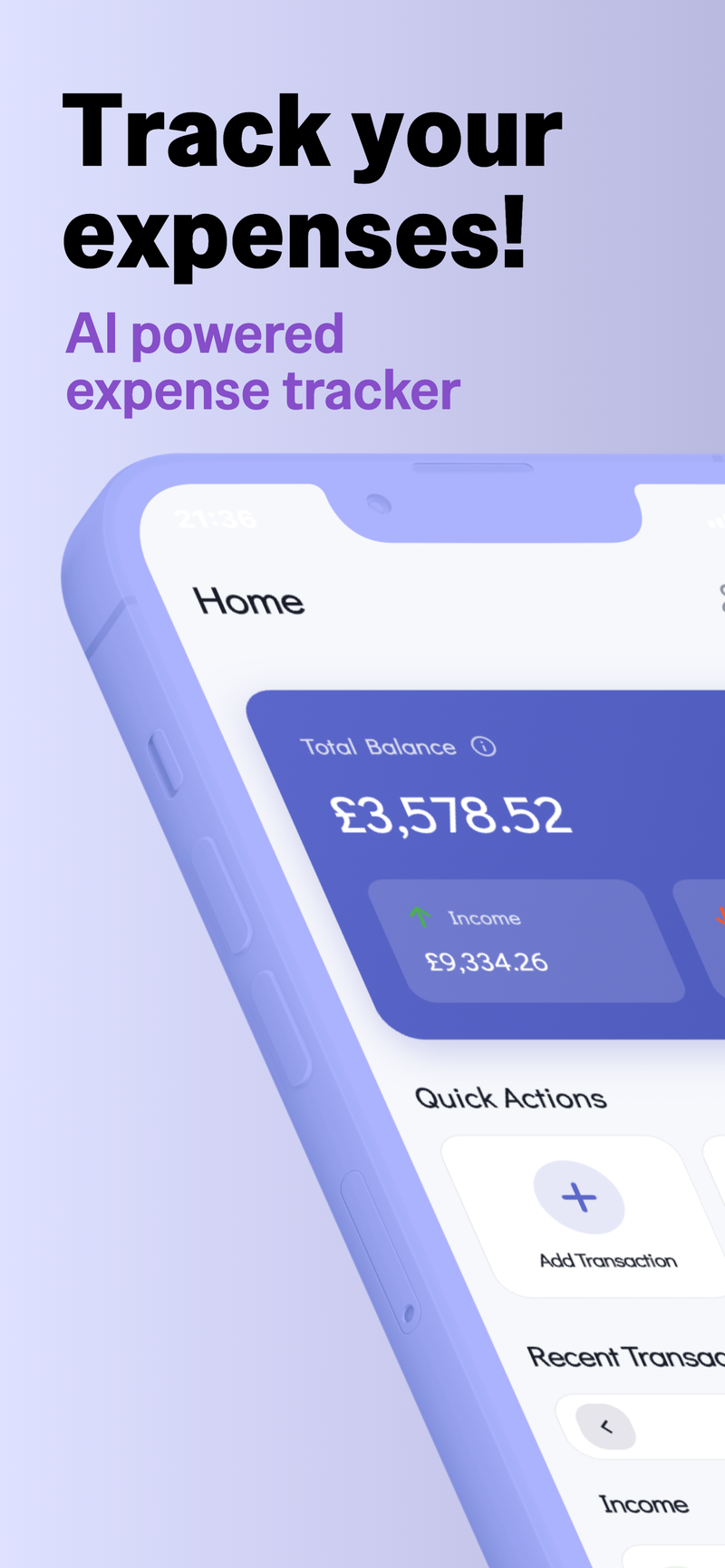
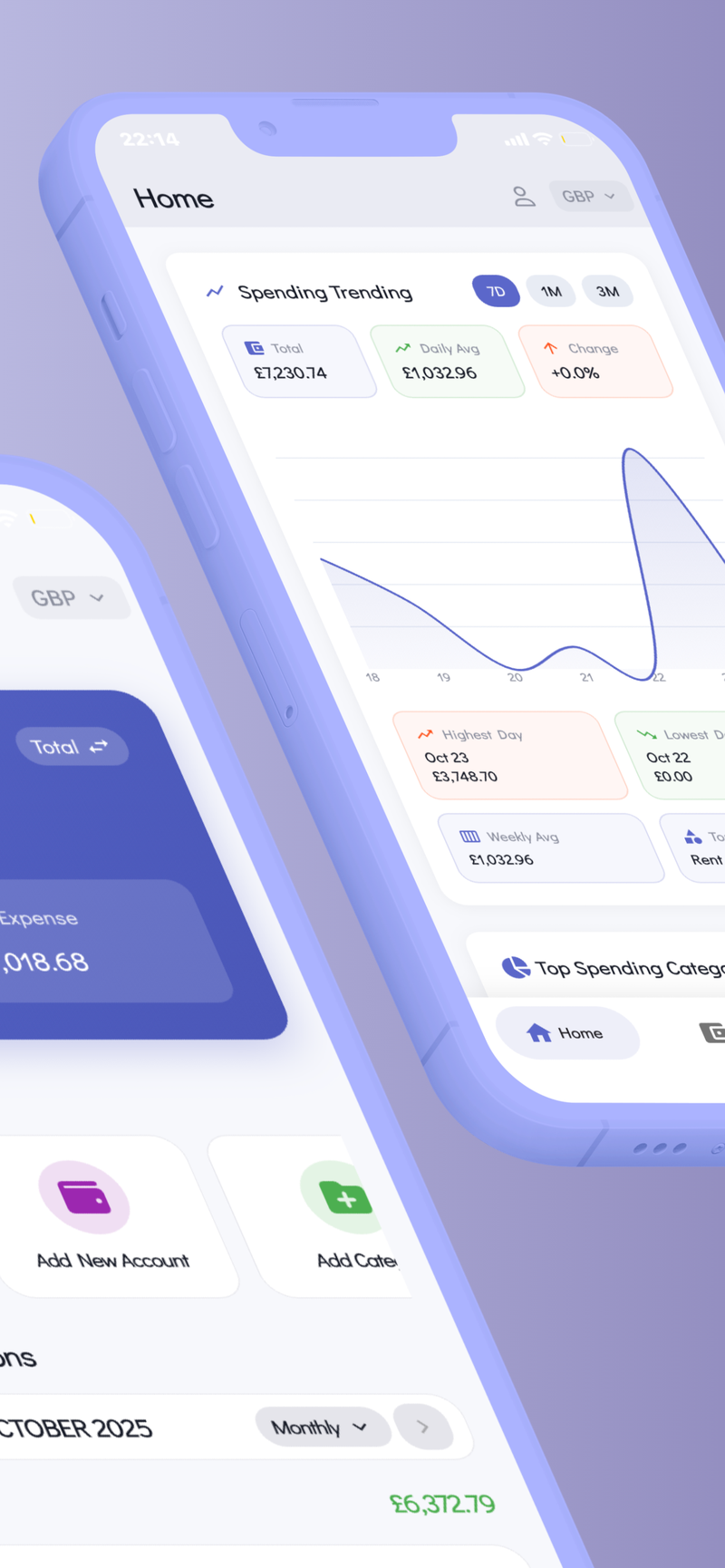
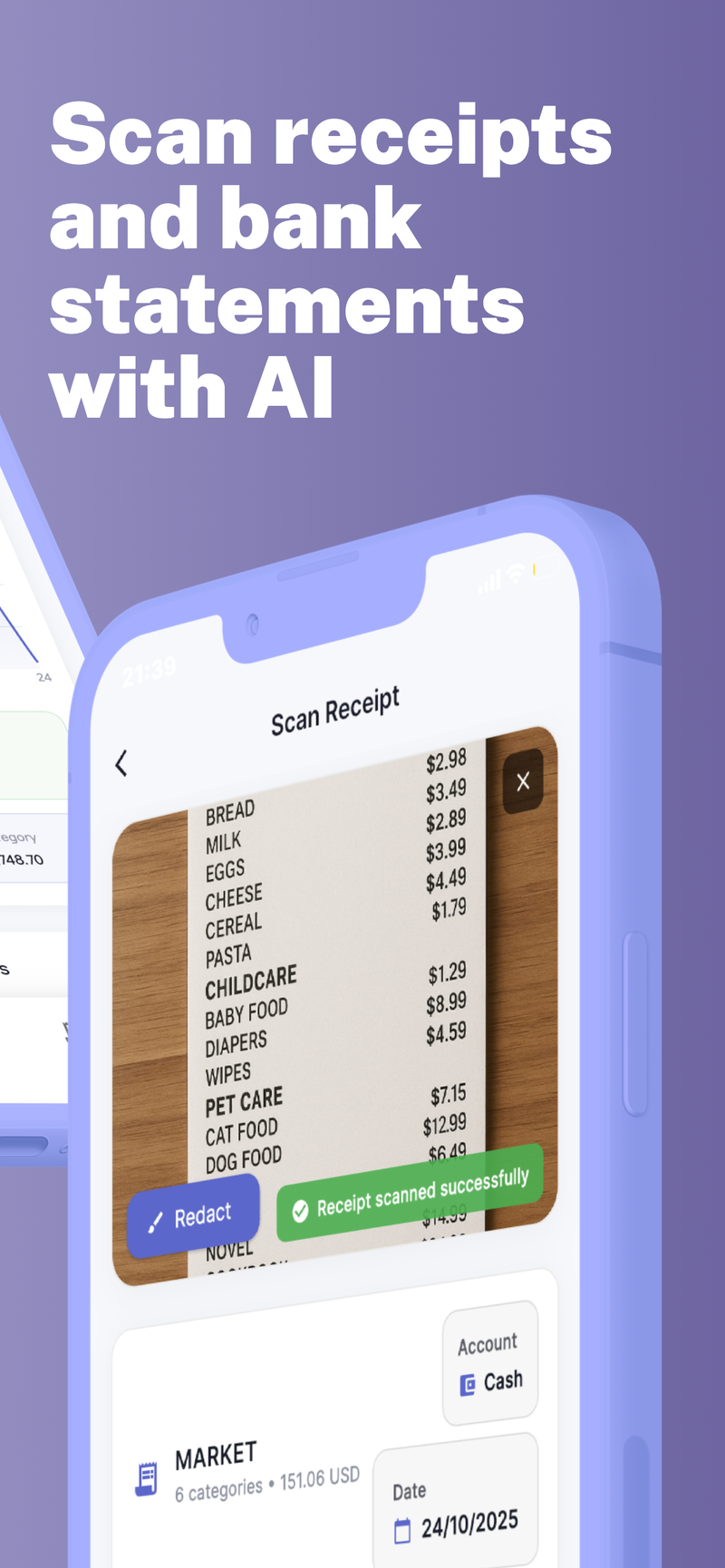
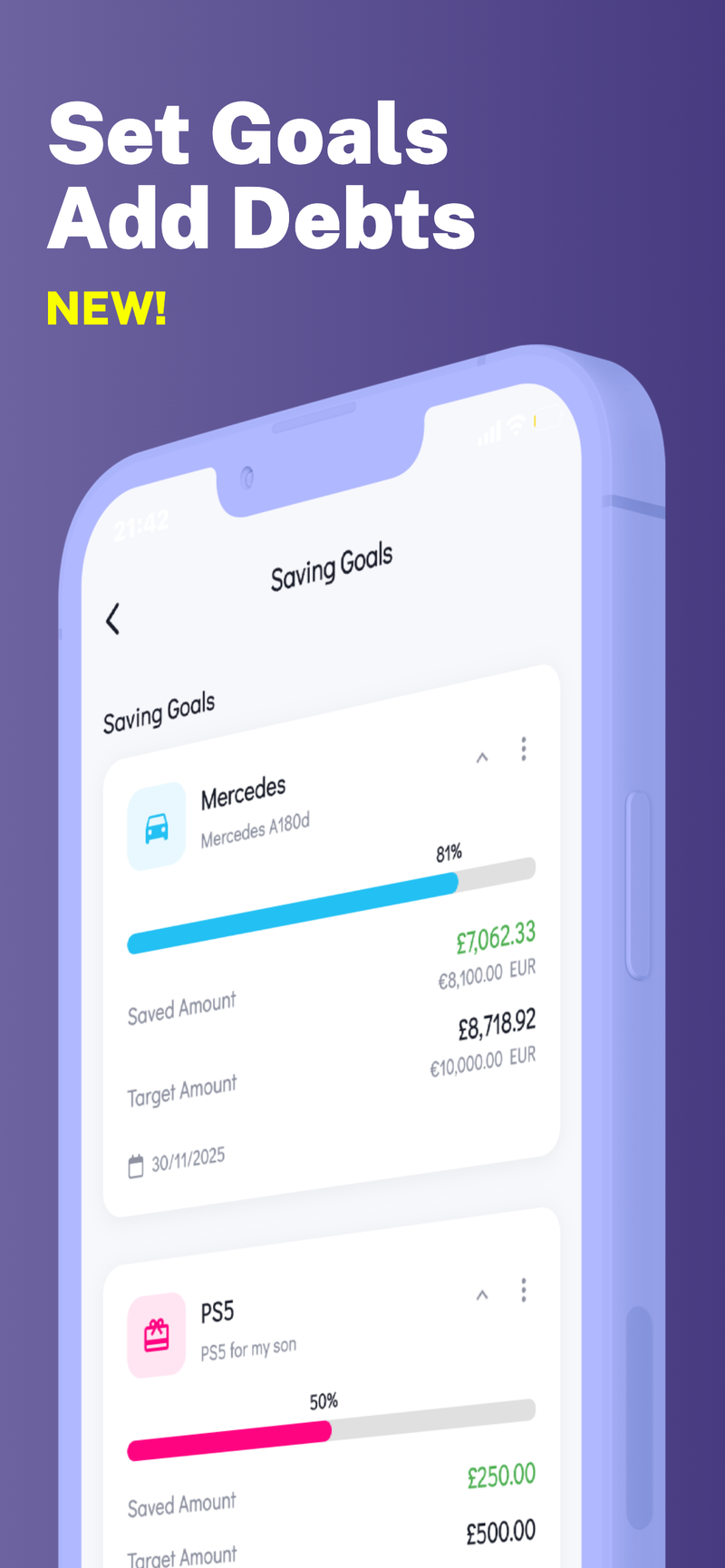
AI Receipt ScanningMulti-CurrencyBank ImportPrivacy-First
✨ Multi-Profile Support