Introduction
Are you tired of urges striking when you least expect them, pulling you back toward smoking or vaping? You’re not alone. Urges can feel overwhelming, especially when your daily routine reinforces old habits. A structured 4-week habit swap gives you a concrete, repeatable way to replace smoking or vaping with healthier alternatives, while gradually reducing the intensity of cravings.
A practical 4-week habit swap plan
Cravings tend to peak within the first week and often last only a few minutes. With a focused plan, you can shorten those windows and create new routines that feel natural over time.
Week 1: Set the foundation
Start a cravings diary: note when the urge hits, what triggered it, what you did just before, and how strong it feels on a 0–10 scale.Map your triggers: note common moments like after meals, with coffee, during stress, or in social settings.Choose 2–3 quick swaps to try for each urge: sip water, chew sugar‑free gum, perform a 5‑minute walk, practice a short breathing cycle, or do a quick stretch.Create simple if‑then plans: If I crave after dinner, then I take a 5‑minute walk or reach out to a friend.Establish a high‑risk routine: pair the urge with a lightweight alternative ritual (for example, after meals, rinse, then stretch for two minutes).Week 2: Restructure your environment
Remove cues: clear out lighters, ashtrays, vape devices when not in use, and place substitutes within easy reach.Add reliable backups: keep a water bottle, a healthy snack, or a stress ball where cravings tend to appear.Tighten your schedule: create regular meal and break times to reduce random urges.Use micro‑habits: for every urge, commit to a two‑minute task first, then you can build on it.Practice urge surfing: ride the urge for 3–5 minutes, then switch to a distraction that fully engages you.Week 3: Strengthen coping skills
Breathing and mindfulness: try a minute of box breathing (inhale 4, hold 4, exhale 4, hold 4).Lean on others: tell a trusted person about your plan and ask for check‑ins during high‑risk moments.Multiple backups: if one swap doesn’t work, switch to another quick option without judgment.Reward progress: track small wins on a visible chart or journal; celebrate consistency, not perfection.Sleep and hydration: fatigue and dehydration intensify cravings, so prioritize steady sleep and water intake.Week 4: Maintain and plan for the long term
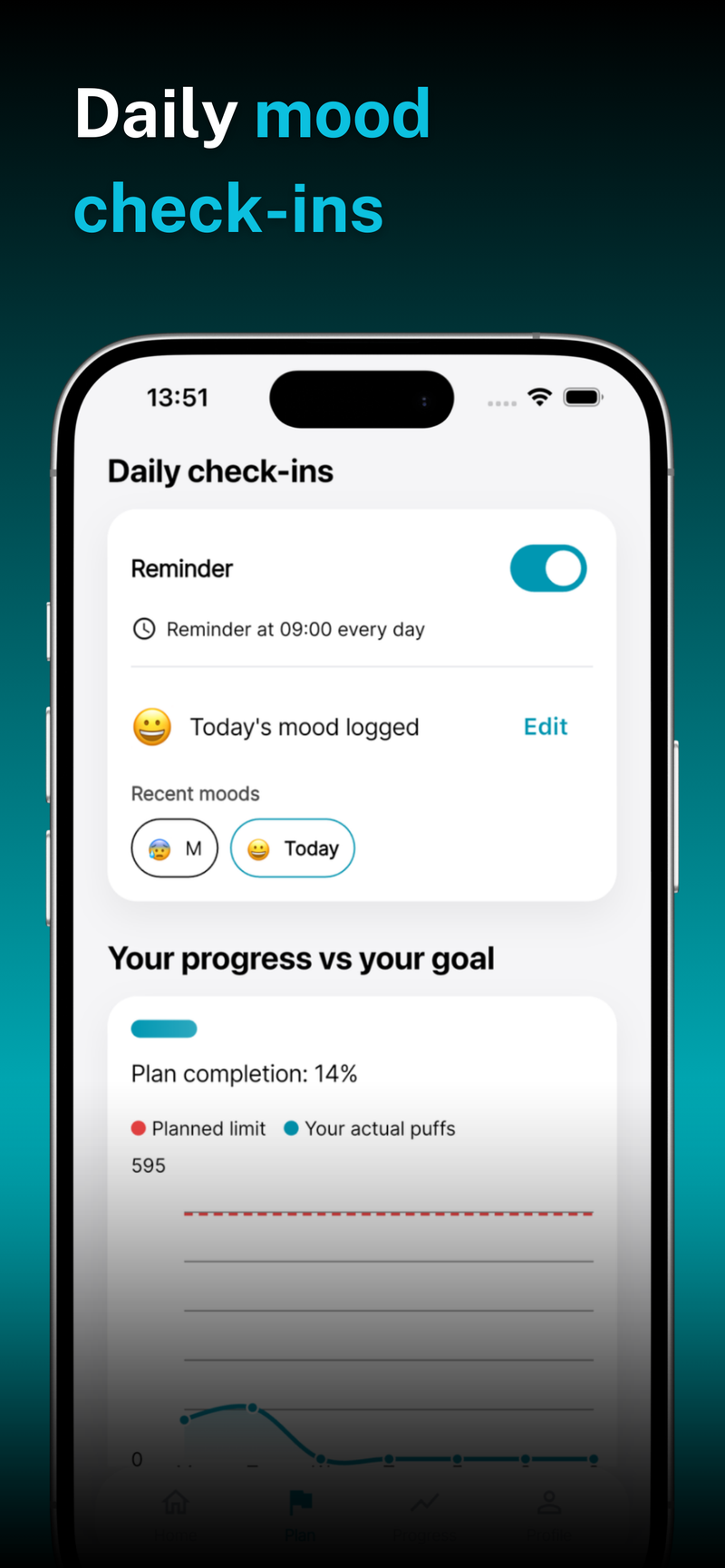
Consolidate your plan: identify your top 2 swaps and strongest if‑then statements.Prepare for high‑risk situations: parties, vacations, or stressful deadlines demand preplanned responses.Track progress: weekly check‑ins on cravings, money saved, and mood reinforce momentum.Relapse prevention: spot early warning signs and reset quickly.Keep the wins visible: a small daily or weekly celebration helps sustain motivation.> Quick notes on expectations
Progress is rarely linear. Cravings can resurge, but the goal is to reduce their impact and frequency over time. Consistency is more powerful than chasing perfect days, so focus on doing the next small step.
Why this approach helps
Short, repeatable actions beat long, sporadic efforts.Replacing a habit reduces the automatic pull of triggers.Seeing tangible improvements—more control, less time spent craving, more money saved—builds confidence to continue.A diary and plan make you aware of patterns you can adjust, not just endure.Things to track for momentum
Urge intensity (0–10) and duration (minutes)Triggers and locationsSubstitutions used and their successSleep, hydration, and meals on craving daysMoney saved by not smoking or vaping (ballpark estimates can be motivating)Conclusion
A 4‑week habit swap offers a practical framework to interrupt urges, establish helpful routines, and build lasting confidence. By the end of week four, many people find cravings become more manageable, with healthier defaults becoming the new normal. If you’re seeking a guided start that helps tailor this plan to your life, Quit Smoking & Vaping can assist with onboarding and personal setup to create a personalized quit or reduction path.