Introduction
Ever reached for a cigarette or vape in a moment of stress and felt the urge melt away only to realize it wasn’t about the moment at all? Cravings can feel relentless, but they’re usually brief signals rather than permanent cravings. By designing a daily plan that anticipates triggers and maps clear coping steps, you can reduce the power of cravings and keep progress steady.
Cravings are a normal part of quitting. They peak quickly—often within minutes—and most fade after a few minutes. Withdrawal symptoms can start within hours and last days to weeks. Importantly, the highest relapse risk is typically in the first week after quitting. With a practical daily plan, you shift from reacting to cravings to managing them on a routine basis.
Main Content
Understanding cravings and how a plan helps
Cravings are cognitive and physical signals, not a personal failing. Treat them as data you can respond to rather than as commands you must obey.The goal isn’t to suppress every thought about smoking or vaping, but to shorten the craving window and replace the action with a healthier alternative.A daily plan provides structure, reduces decision fatigue, and builds confidence through small, repeatable steps.Step-by-step to build your daily craving-management plan
1) Map your triggers and craving times
Keep a simple log for a week: when do cravings occur most? after coffee, during stress, with alcohol, after meals, or when with certain friends?Note the intensity on a 1–10 scale and what you did just before the craving started.Example: Craving after dinner (6/10); triggers: coffee and TV commercials; what helped in the past: a short walk, a glass of water, or a mint.2) Create a 5-minute delaying rule
When craving hits, tell yourself, “I’ll wait 5 minutes.” Use that time to change your environment or engage a quick substitute.Short, concrete actions help: stand up, drink a glass of water, take a 2- to 5-minute walk, do a few stretches.Often the craving fades during the delay, and you’ve gained control of the moment.3) Choose reliable substitute behaviors
Have a small menu of go-to actions: sip water, chew sugar-free gum, hold a pen, take a brisk walk, do a few push-ups, or practice box breathing.The key is repeatability and accessibility: something you can do anywhere, anytime.4) Build a toolbox of coping strategies
Mindfulness or grounding techniques (e.g., 4-7-8 breathing, naming 5 things you see, 4 things you feel, 3 things you hear).Light activity (a 10-minute walk, quick stretch) to shift focus and release tension.A quick ritual that replaces the smoking moment (e.g., prepare a healthy tea, journal a thought, or stretch while counting to 100).Data from research suggests mindfulness-based approaches can reduce craving intensity, and small bursts of activity can help lessen withdrawal symptoms for many people.5) Shape your environment for success
Remove obvious cues: old lighters, vape devices, or packs in easy reach.Create cue-controlled spaces: a smoke-free zone in the car, at the desk, and around certain routines like coffee breaks.If sharing spaces, communicate your goal to reduce triggers and get support.6) Design a simple daily routine around your quit goal
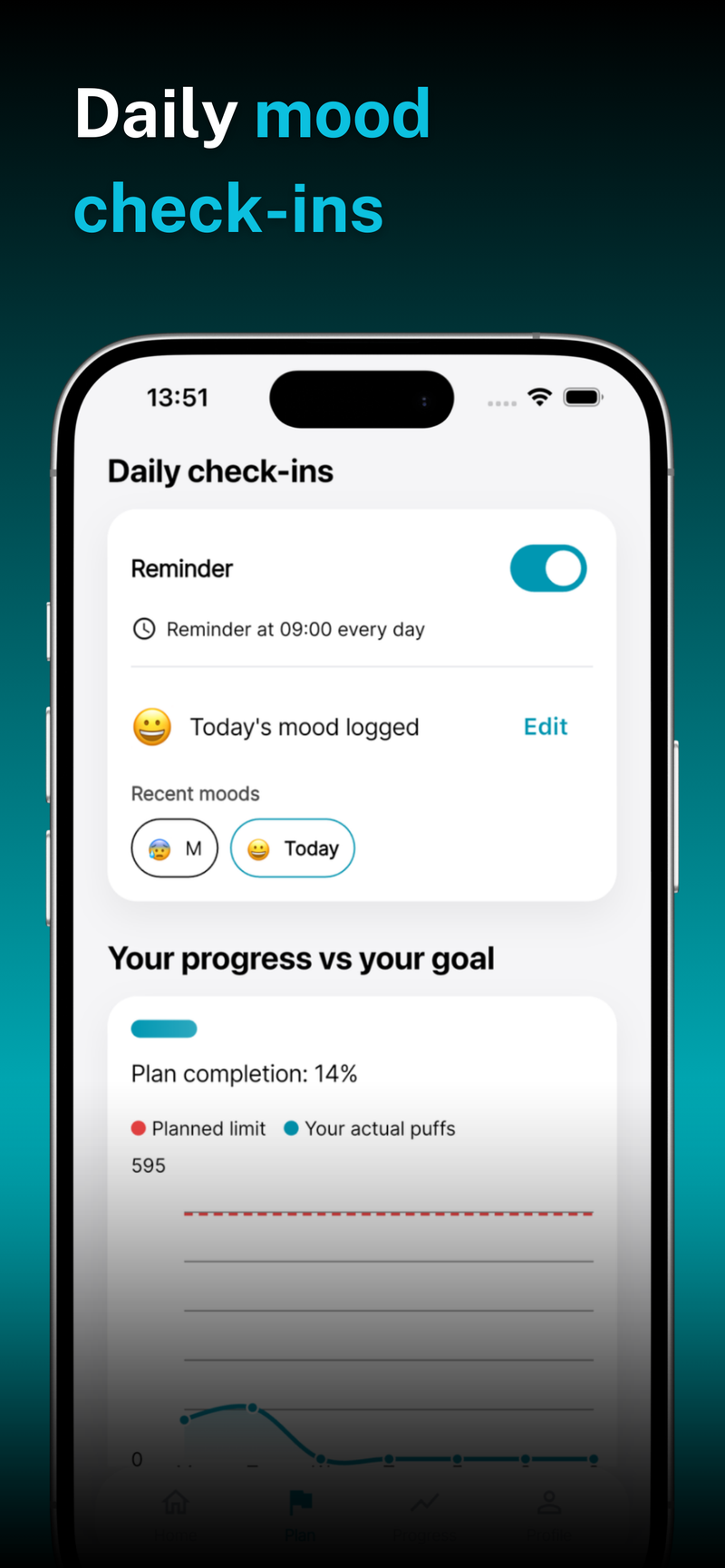
Morning check-in: rate your cravings from 1–10, choose two coping moves for the day, and set one micro-goal (e.g., “no cigarettes before 10 a.m.”).Midday reset: a quick walk or stretch after meals; replace the hand-to-mouth action with a short activity.Evening reflection: celebrate small wins and note what worked; adjust tomorrow’s plan if needed.7) Track progress and learn from slips
Keep a light craving log: trigger, time, intensity, action taken, outcome.If a slip happens, analyze the trigger, don’t judge yourself, and adjust your plan accordingly.Regular review builds resilience: you’ll start to notice patterns and preempt them.8) Sleep, stress, and recovery matter
Poor sleep weakens impulse control and makes cravings harder to resist.Prioritize a consistent sleep routine and stress-management practices (short meditation, breathing, or a brief walk).Hydration and nutrition matter too: dehydration and low blood sugar can amplify cravings.9) Set realistic, incremental goals
Focus on micro-goals (e.g., a 5-day streak, then a 2-week streak).Reward yourself for consistency in non-food, non-smoke rewards to reinforce progress.10) Prepare for high-risk situations
Identify high-risk scenarios (parties, after meals, while drinking).Plan a “go-to” response for each scenario and practice it in advance.Build a small recovery script: “I’m choosing not to smoke; I’ll take a 5-minute walk instead.”Practical tips in 60 seconds
Keep a ready-made kit: water bottle, mint, healthy snack, fidget item.Use a 5-minute timer to enforce the delay; commit to trying the substitute for those minutes.Pair cravings with movement: even short activity (2–5 minutes) reduces intensity for many people.Sleep and routine matter: consistent wake times and meal patterns support self-control.Quick data points to guide your plan
Cravings typically peak quickly and pass within minutes; most relapse risk is in the first week.Short bouts of physical activity can help reduce cravings and withdrawal symptoms for many people.Mindfulness-based approaches are associated with reduced craving intensity in several studies.Conclusion
A daily craving-management plan is less about willpower and more about predictable, repeatable steps you can take in real life. By identifying triggers, building a robust delay-and-substitute toolkit, shaping your environment, and tracking progress, you create a resilient framework that supports long-term change.
If you’d like a guided way to build a personalized daily craving-management plan, Quit Smoking & Vaping offers Fokus Puff onboarding and a personal setup to tailor your plan. This