
·Health
Build a Daily Ritual to Diminish Nicotine Urges
Cravings aren’t just about nicotine—they’re tied to routines and triggers. This guide explains how to build practical daily rituals that address those needs, with step-by-step plans for different times of day, and tips to track progress. A practical approach to quitting or reducing nicotine use.
quitting-smokingnicotine-cessationhabitsbehavior-changewellness
Build a Daily Ritual to Diminish Nicotine Urges If you’ve ever felt the pull of a cigarette or a vape hit simply because it’s “what you do” at a certain time, you’re not alone. Cravings aren’t just about nicotine—they’re about routines, triggers, and a momentary need to feel steady. The good news: you can design a daily ritual that addresses those needs without giving in to the urge. ## Understanding why rituals help Nicotine cravings live in a loop: cue, routine, reward. A trigger (coffee, stress, a commute) starts the loop, the urge then triggers a habit (reach for a cigarette or a vape), and the relief (reward) reinforces the behavior. Replacing the routine with healthier, repeatable actions can shorten or interrupt that loop. - Cravings are strongest in the first week after you try to quit or cut back, and withdrawal symptoms typically peak during that period. - The urge to smoke or vape often lasts only a few minutes, which is why short, repeatable rituals work well. - Consistency beats intensity: small, reliable actions you can do anywhere tend to build more sustainable change than grand, one-off efforts. ## Design your daily ritual with intention A strong daily ritual isn’t about a single magic trick—it’s a set of dependable micro-habits you can lean on during high-risk moments. Here’s a practical framework: ### 1) Define your goal and timeline - Decide: completely quit or reduce first. - Pick a target date and plan duration (for example, 6–12 weeks to build new habits). - Set a measurable cue you’ll see daily (a calendar reminder, a specific time, or a location). ### 2) Map your triggers Identify the moments you’re most likely to crave nicotine. Common triggers include: - Morning wake-up - After meals - Breaks at work or school - Social or stressful situations - Drinking coffee or alcohol ### 3) Create core rituals for high-risk moments Choose 2–4 go-to actions that are quick, portable, and satisfying. Examples: - 2 minutes of box breathing: inhale 4 seconds, hold 4, exhale 6, repeat 4 times. - A tall glass of water or herbal tea to reset the mouth and hands. - A short physical activity burst: 60 seconds of marching in place, a quick stretch, or a 5-minute walk. - A non-tobacco hand-to-mouth alternative: chewing sugar-free gum, holding a smooth stone, or a stress ball. - A mental reset: write down the top 3 worries of the moment, then reframe them into action steps. ### 4) Build urge-surfing into your routine Urge surfing is the idea that urges rise, peak, then fade. Treat each craving as a wave you ride: - Acknowledge the urge without judgment. - Time-box the urge: ride it for 3–5 minutes, then assess. - Immediately follow with a ritual that occupies the mind and body. ### 5) Pack in reward-friendly small wins - Track every day you meet a ritual without smoking/vaping. - Celebrate small milestones with non-tobacco rewards (a favorite tea, a short video, a walk outside). - Keep a simple log of mood and cravings to spot patterns over weeks. ## Practical daily templates you can adapt ### Morning ritual (5–7 minutes) - Drink a glass of water with lemon. - 2 minutes of deep diaphragmatic breathing. - A 5-minute stretch to wake the body. - Write one line about why you’re choosing this path today. ### Mid-morning break (2–4 minutes) - Stand up and walk for 2 minutes. - Sip water or herbal tea. - Squeeze a stress ball or play with a fidget object for 1 minute. ### After meals (3–5 minutes) - Take a post-meal walk or a brief chore that keeps your hands busy. - Brush your teeth or rinse with a mouthwash designed for after meals. ### Stressful moments (immediate action) - Do 60 seconds of slow, controlled breathing. - Replace the hand-to-mouth act with a short physical action (e.g., 15 squats, 20 seconds of wall push-ups). - Jot one concrete next step toward a solution (don’t dwell on the problem). ### Evening wind-down (5–10 minutes) - Reflect on the day in a brief journal entry: what worked, what didn’t. - Prepare the next day’s ritual set and placement (where you’ll perform each action). - Set a one-line intention for tomorrow. ## Environment and social support Small changes in your environment can make a big difference: - Remove obvious triggers: ashtrays, lighters, or vape devices in view. - Stock healthier quick-fix options nearby (water, tea, gum, healthy snacks). - Share your plan with a trusted friend or family member who can offer accountability without pressure. ## Track, learn, and adjust - Keep a simple cravings log: time, trigger, ritual used, outcome, mood. - Review weekly to spot patterns and adjust your rituals accordingly. - Be flexible: if a ritual isn’t working in a particular moment, swap it for another simple action you actually enjoy. ## Common pitfalls and fixes - Overhauling too much at once: start with one or two rituals and build. - Waiting for motivation to strike: rely on a schedule of tiny, repeatable actions. - Believing cravings will always feel the same: cravings evolve; your rituals should adapt as you progress. ## Statistics and takeaways - Cravings typically peak quickly and pass within minutes, which makes short, repeatable actions particularly effective. - Withdrawal symptoms are most intense in the first week but lessen with time and steady routines. - A structured approach that includes planning, self-monitoring, and social support increases the odds of staying quit in the early weeks. The exact numbers vary, but many find that a consistent ritual system keeps the plan moving when motivation wavers. ## Conclusion and a gentle nudge Building a daily ritual is about wholesale replacement of automatic nicotine behavior with deliberate, manageable actions. By identifying triggers, choosing a small set of reliable rituals, and tracking your progress, you can reduce the power of cravings and reclaim your day one moment at a time. If you’re looking for a guided


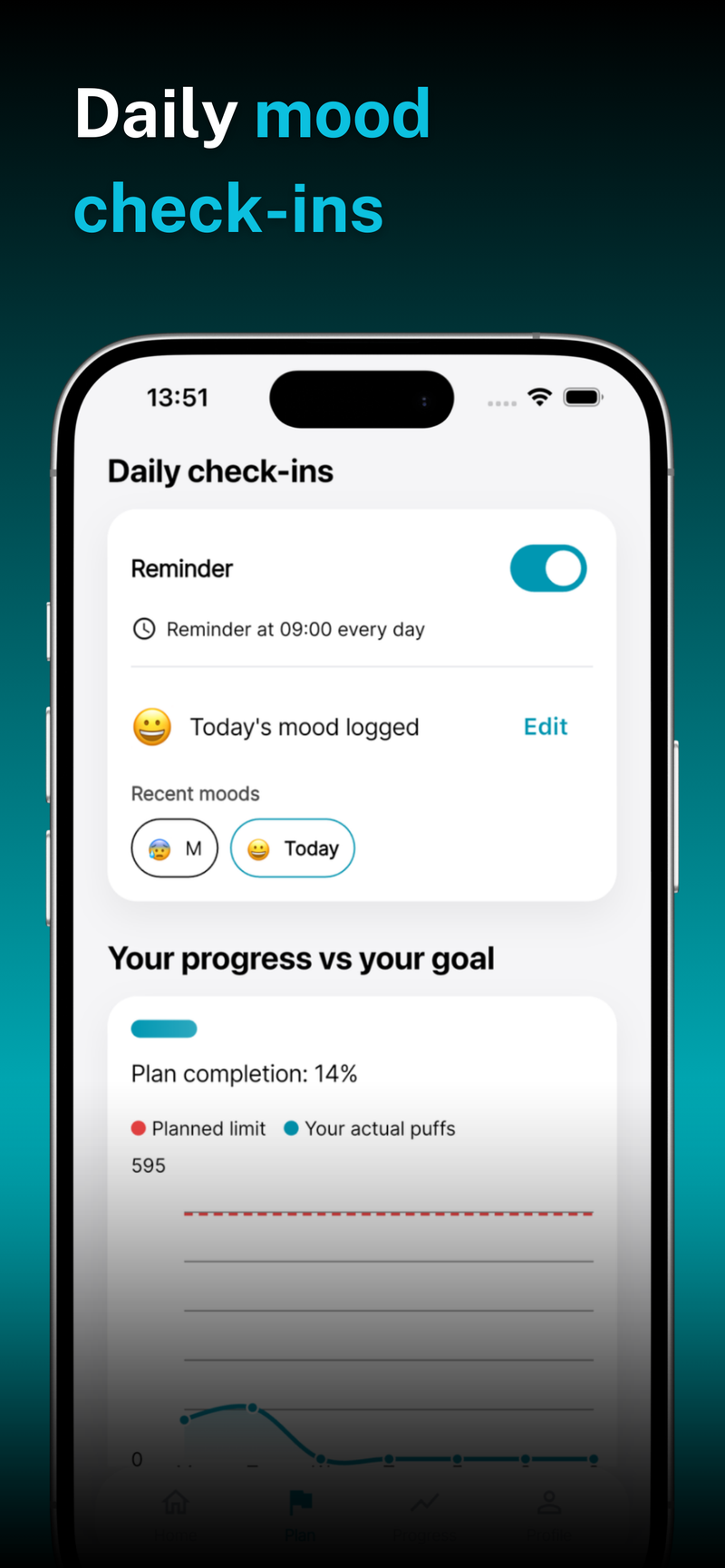

Daily MotivationProgress TrackingHealth MilestonesMoney Saved
💪 Onboarding & Personal Setup