Quit Smoking

Quit Smoking

Your journey to freedom

·Health

Build a Personal Nicotine Recovery Plan That Sticks

Struggling to quit smoking or vaping? Build a personalized plan with clear goals, trigger mapping, and steady, actionable steps. This guide provides practical strategies, real-world tips, and a framework you can start today.

healthwellnesssmoking cessationhabitsself-improvement

Introduction


If you’ve tried to quit smoking or vaping before and felt like you were fighting an uphill battle, you’re not alone. Nicotine is incredibly addictive, and habits run deep—coffee leads to a cigarette; stress triggers a vape; social events become testing grounds. The good news is you can build a plan that fits your life and actually sticks. A personalized recovery plan isn’t about punishment; it’s a practical road map that makes resistance feel manageable, not heroic.

In this article, you’ll learn a proven framework for creating a personal nicotine recovery plan with real steps you can start today.

Main Content


1) Start with a clear goal and realistic timeline


  • Decide your product type (cigarettes or vapes) and your main goal: monitor & reduce, or quit completely.

  • Set a target date or duration. A concrete deadline — for example, 12 weeks — gives your plan focus.

  • Establish baseline measurements: your current daily cigarette or puff count, and weekly spending on nicotine products.
  • Why this matters: clarity reduces decision fatigue and helps you measure progress.

    2) Identify triggers and build coping options


  • List your top triggers (morning coffee, stress, after meals, social gatherings, certain friends).

  • For each trigger, create a simple replacement ritual: a 2-minute breathing exercise, a short walk, a glass of water, or a healthy snack.

  • Prepare a “craving kit” (gum, toothpick, mint, or a stress ball) and keep it handy.
  • Data point: many quitters report cravings peak in the first two weeks; having a plan to ride out urges lowers relapse risk.

    3) Choose a plan structure: gradual reduction or immediate quit


  • If you’re reducing: set weekly reduction goals (for example, reduce by 10-15% of your baseline each week). Track daily puffs or cigarettes and celebrate small gains.

  • If you’re quitting: pick a quit date and remove all nicotine products and cues from your environment. Make replenishment of routines immediate (e.g., short workouts in the times you’d smoke).

  • Pair either path with a daily 5-minute activity that shifts attention away from nicotine (brief walk, deep breathing, quick stretch).
  • 4) Build routines, accountability, and social support


  • Schedule regular check-ins with a friend or mentor.

  • Join a support group or share your goals with a trusted confidant.

  • Log your progress daily: cravings, successes, and what you learned.
  • Why social support helps: accountability and shared experiences increase motivation and resilience.

    5) Monitor progress and adjust as needed


  • Review your counts, money saved, and craving intensity weekly.

  • If you stall, reassess triggers and coping options, tweak the reduction pace, or add another substitute activity.

  • Plan for relapse: slips happen. Reframe them as data to learn from, then re-commit immediately.
  • Practical tips and data points


  • Research suggests structured programs that include goal-setting and self-monitoring improve quit rates by a meaningful margin. Pairing a plan with consistent tracking and support increases your odds of long-term success.

  • Small, tangible wins beat big but vague intentions. Celebrate each week you meet your reduction or quit targets, and use the money saved as motivation.
  • A quick starter framework you can try this week


  • Day 1: Write down your goal (e.g., quit completely in 12 weeks) and your quit date or reduction pace.

  • Days 2–7: Track every cigarette or puff. Note triggers in a simple notebook or a notes app.

  • Week 2: Implement a 10% reduction from your baseline and add a 5-minute routine to your daily schedule (walk, stretch, or breath work).

  • Week 3 onward: Increase the reduction or solidify your quit day. Add a supportive person to check in with you weekly.
  • Conclusion


    Building a personal nicotine recovery plan that sticks comes down to clarity, practical coping skills, and steady progress. Start with a clear goal, map triggers, and choose a structure that suits your life—whether you’re reducing gradually or quitting on a set date. Pair this with consistent tracking, social support, and flexible adjustments, and you’ll turn ambition into habit.

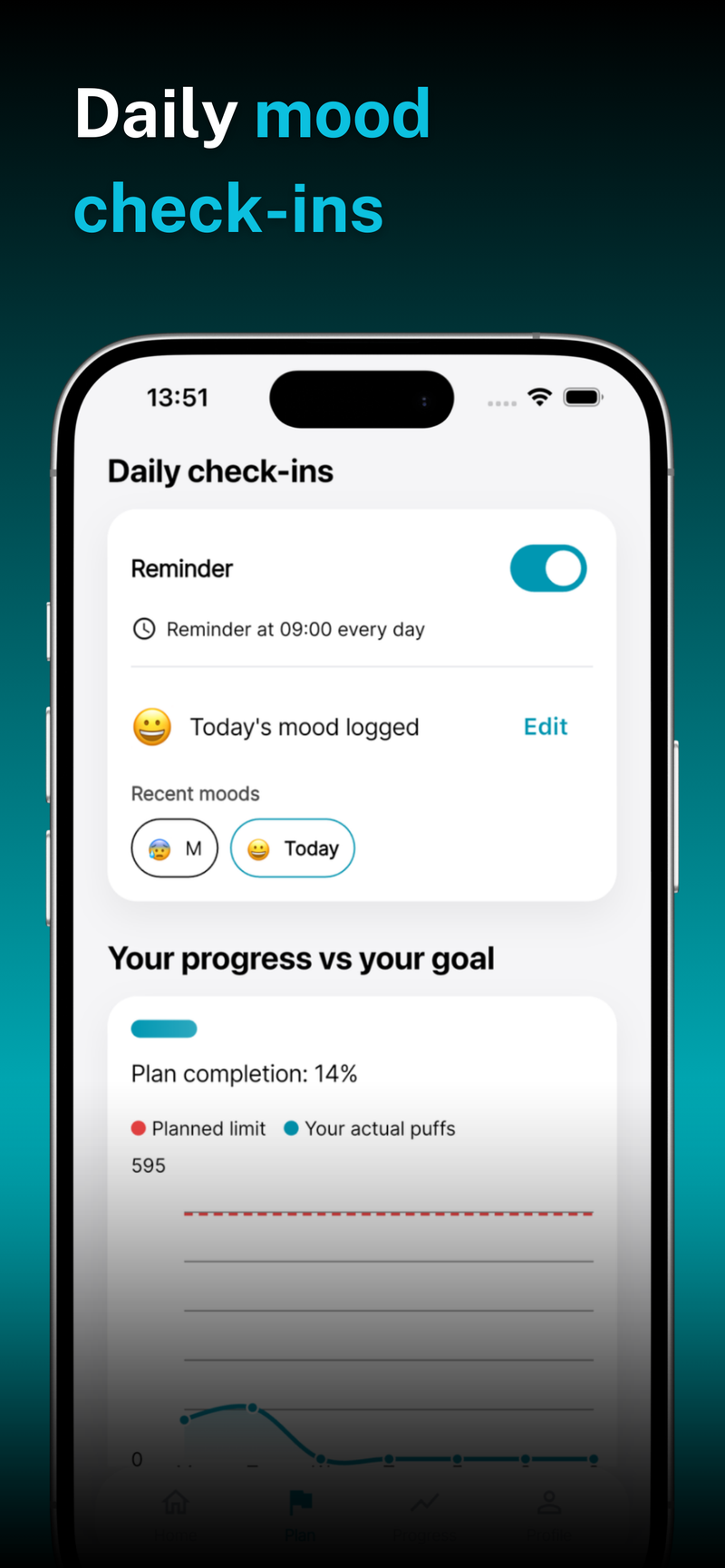
    If you’re looking for a guided way to set up this plan, Quit Smoking & Vaping can help with onboarding and personal setup features that tailor the plan to your situation, including choosing your product type, goal, timeline, and daily benchmarks. It’s a supportive option to help you implement the framework above, not a shortcut to success—but a helpful nudge when you need it.

    Quit Smoking icon

    Quit Smoking

    Your journey to freedom

    Free • In-App Purchases
    GET
    Dashboard
    Progress
    Health
    Savings
    Motivation
    Stats
    Daily MotivationProgress TrackingHealth MilestonesMoney Saved

    💪 Onboarding & Personal Setup

    Related Articles

    Quit Smoking

    Your journey to freedom