Introduction
Ever feel like your paycheck disappears before the month ends? You’re not alone. For many families, the challenge isn’t earning more; it’s making what you earn stretch further. A pocket-friendly budget isn’t about deprivation—it’s about clarity: knowing where money goes, and having a plan to direct it toward what matters most.
This four-week plan translates intention into habit with simple steps, realistic targets, and quick wins you can keep up long after week four. You’ll learn how to track, cut waste, automate, and review—so your money serves your priorities rather than the other way around.
Week-by-Week Plan
Week 1: Baseline and blueprint
Gather and assessCollect bank and card statements for the last 90 days. Highlight recurring payments (subscriptions, memberships) and irregular expenses (car repairs, gifts).List every category you spend on, then group them into Needs, Wants, and Savings/Debt.Set a practical targetCreate a zero-based budget: assign every dollar a purpose before the month begins. A simple starting split is: Needs 50-60%, Wants 20-30%, Savings/Debt 10-20%. Tweak percentages to fit your situation, but aim for a defined plan rather than vague intent.Create a basic tracking systemUse a simple spreadsheet or a notebook. Record actuals at least twice a week so you know when you’re off plan before it becomes a bigger gap.Focus on weekly reviews: Did you stay within the plan for the main categories? If not, note what derailed you and why.Quick wins to implement this weekCancel at least one unused subscription.Plan one extra home-cooked meal this week to reduce dining-out costs.Start a 3- or 4-category envelope for the next 14 days (digital or physical) to curb discretionary spend.Week 2: Identify and seal the biggest leaks
Target big-ticket areas firstGroceries: plan meals, make a precise shopping list, and compare unit prices. Meal planning can cut grocery costs by a meaningful margin, often in the double digits when combined with bulk buying and leftovers.Utilities and housing: adjust thermostat settings, energy-efficient habits, and renegotiate non-urgent expenses where possible.Transportation: carpool, plan efficient routes, and maintain your vehicle to avoid costly repairs.Discipline your discretionary spendingSet a monthly cap for dining out and entertainment. Affirm the cap in your budget so you’re not surprised by impulse buys.Audit recurring charges again. If a service isn’t used in 3 consecutive months, consider canceling.Build a simple plan for savingsIf you can, automate a small transfer to a savings sub-account on payday—even a modest amount builds momentum.Consider a low-effort emergency fund goal (e.g., start with $500–$1,000) to reduce future financial stress.Week 3: Automate, simplify, and optimize
Automate what mattersSchedule automatic transfers to savings and debt payments. Automation reduces the chance of skipped payments and helps you stay on track without daily effort.Automate bill payments to avoid late fees, but review the autopay setup monthly to catch any changes in rates or services.Embrace the envelope mindset digitallyUse a simple digital envelope system for remaining discretionary funds. When the envelope is empty, you pause non-essential spending for the rest of the period.Reassess debt and progressIf you have multiple debts, choose an approach (snowball or avalanche) and set a concrete payoff target for the next 90 days.Quick winsPlan a “no-spend” day or weekend to reset discipline and remind everyone of the plan.Track at least one category weekly, not just monthly, to catch small leaks early.Week 4: Review, adjust, and sustain
Compare plan vs. realityReview actual spending against the budget for the month. Where did you underspend or overspend? What patterns emerged (weekends, paydays, holidays)?Adjust for the next cycleTweak category allocations based on the learning from Week 3. If groceries consistently undershoot or overshoot, re-balance that line item.Build a lightweight forecast for the next 4 weeks, factoring any upcoming birthdays, school events, or vacations.Build the habitSet a 15-minute weekly budget check: pull the week’s receipts or statements, reconcile, and plan the next week.Keep a visible reminder of your top 2–3 financial goals (debt payoff, emergency fund, or a family vacation) to stay motivated.Maintain momentum with practical accountabilityShare your plan with a trusted partner or family member for accountability, but keep personal data private if you prefer.Practical tips and data-driven reminders
Small changes compound: trimming even a few discretionary purchases weekly can add up to meaningful yearly savings.Meal planning and shopping lists reduce impulse buys and waste, often yielding noticeable grocery savings.Automating savings and debt payments reduces decision fatigue and helps you stick to the plan over time.Regular, brief reviews outperform sporadic, lengthy budgeting sessions. A 15-minute cadence keeps you aligned and adaptable.Conclusion
A pocket-friendly family budget isn’t a one-time project—it’s a four-week process that builds the habits, clarity, and confidence you need to steer your finances. By baseline-tracking, trimming waste, automating key transfers, and keeping weekly reviews short and consistent, you create a reliable rhythm that supports your priorities.
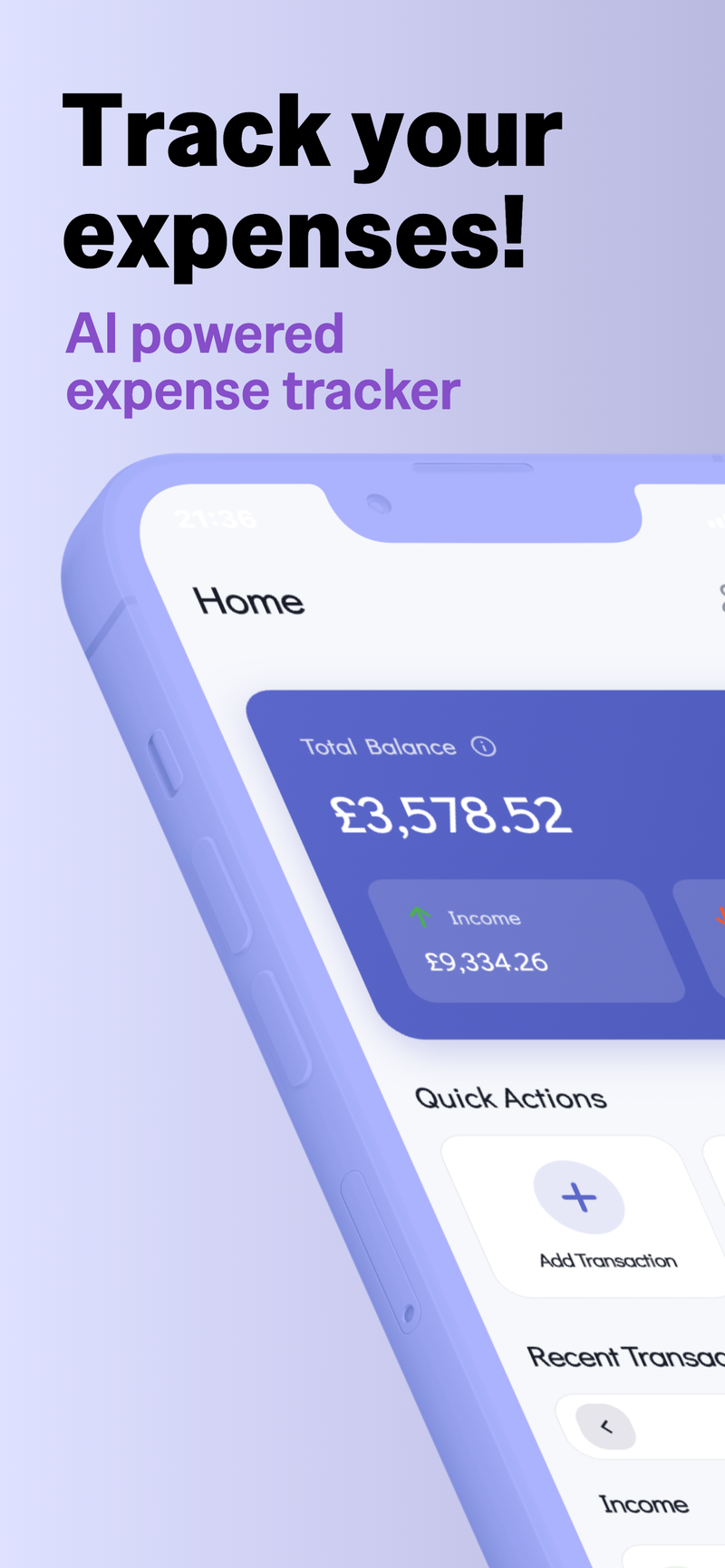
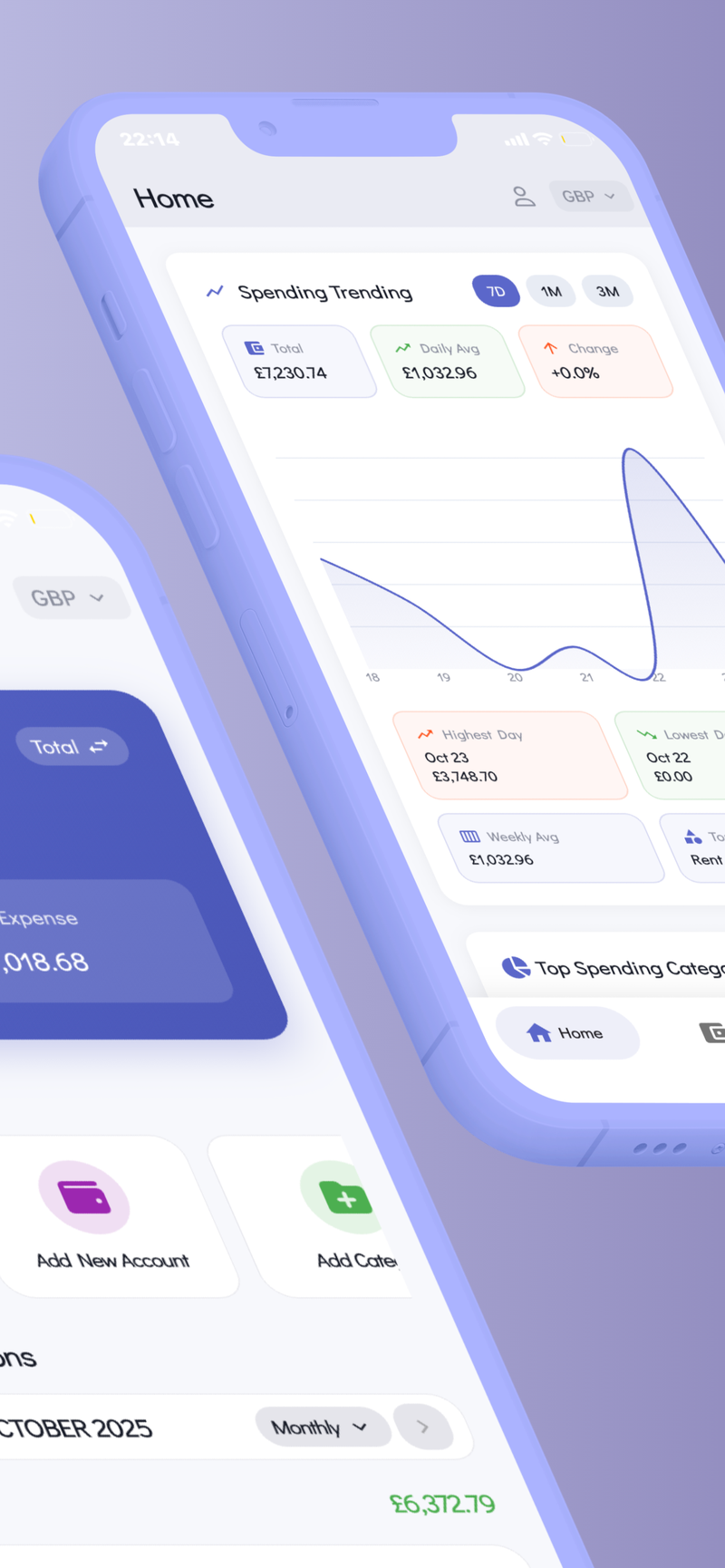
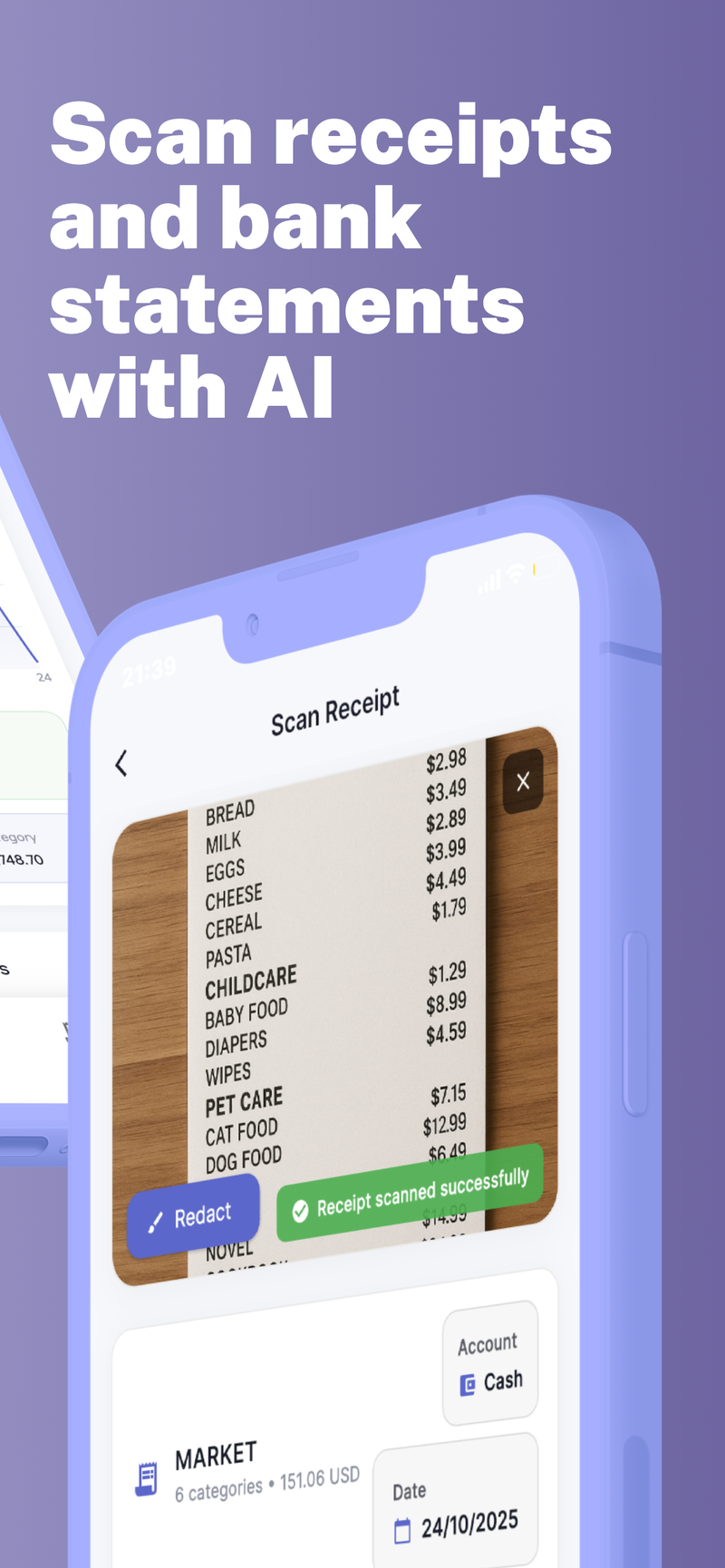
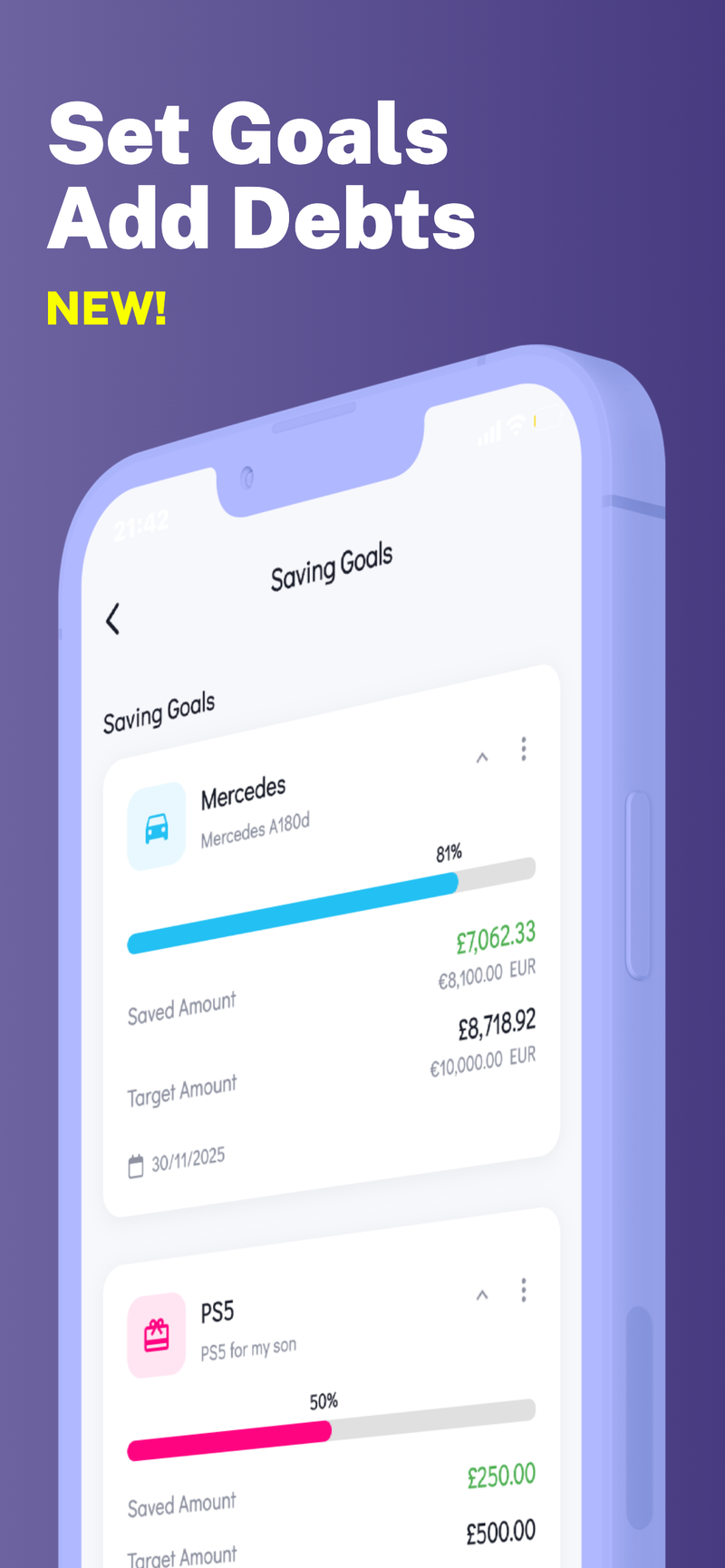
If you’re looking for a private, on-device budgeting companion to help manage family finances across several people and scenarios, Fokus Budget can help. Its multi-profile support lets you track different family members or purposes in one place, while keeping your data securely on your device. Think of it as a practical partner for maintaining the discipline you’ve built over these four weeks, withou