Introduction
Ever faced an unexpected bill and felt the stress ripple through the whole family? You’re not alone. A Federal Reserve survey highlights that a sizable share of adults would struggle to cover a modest emergency expense—about 40% couldn’t cover a $400 bill. The good news: you can start building a safety net in just 30 days, even on a tight budget. This guide gives you a realistic, family-friendly plan with concrete steps, practical tips, and a clear path to momentum.
Why an emergency fund matters
It reduces debt and interest costs by providing a ready source of cash for surprises.It protects daily life from interruptions, like car repairs, medical bills, or sudden travel needs.It builds financial resilience, making long-term goals easier to achieve.For many households, the fear of a financial shock is the real drain. A modest starter fund lowers that fear and keeps essentials in focus during tough times.
Set a realistic target
Start by calculating your essential monthly expenses for the family. A healthy starting target is one to three months of those essentials, but for a 30-day sprint, choose a tangible starter goal that feels doable. For example, many families aim for a starter fund of 500 to 1,000 dollars within the first month. If your essential monthly costs are around 3,000 dollars, a 1,000-dollar starter makes sense as a 30-day milestone, with the longer-term aim of covering 3,000 to 6,000 dollars over time.
How to decide your target:
List essential monthly costs (housing, utilities, food, transportation, healthcare).Multiply by 1, 2, and 3 to see reasonable ranges.Pick a 30-day target T that feels motivating and achievable alongside your other commitments.Create a concrete 30-day savings plan
Your daily savings target is simply T divided by 30. For a 1,000 target, that’s about 33 per day. Here is a practical week-by-week blueprint you can adapt.
Week 1: Audit and cut
Track every expenditure for the week and highlight nonessential items (daily coffee, streaming extras, small online purchases).Aim to cut 10-20 percent of discretionary spending. If you save 150 this week, that already brings you closer to your goal.Start a dedicated emergency fund envelope or savings account. Name it clearly so you see it as separate from everyday spending.Week 2: Automate and round up
Set up an automatic transfer of your daily target amount or a weekly sum into the emergency fund.Use a round-up approach on purchases. Round each transaction up to the next dollar and save the difference weekly.Look for small, reliable windfalls: a returned item, a bonus, or a tax refund, and funnel them directly into the fund.Week 3: Boost income and funnel windfalls
Explore a quick side gig or freelance task that fits your schedule. Even a few extra dollars per week add up.Sell unused items around the house. A handful of sales can push you past the halfway mark.Keep the momentum: every extra dollar goes into the fund until you hit the target.Week 4: Protect and sustain
Revisit your budget to keep discretionary spending in check.Maintain automatic transfers even after you hit the target; if you reach the goal, designate a portion to a sinking fund for future emergencies.Share progress with the family to reinforce the habit and celebrate milestones together.Practical moves you can implement today
Freeze or pause nonessential subscriptions for 1 month.Sell items you no longer need; use the proceeds for the fund.Use the round-up method for everyday purchases and set the saved amount aside.Cook at home and cut dining-out costs for 2 weeks; redirect the savings to the fund.Review bills and negotiate or switch to lower-cost plans (internet, insurance, cell).Create a simple cash envelope for discretionary spending to prevent overspending.Keep the fund separate from other accounts to avoid the temptation to dip into it.Track progress and stay motivated
Use a simple ledger or a spreadsheet to record every deposit and the running total.Set weekly check-ins with the family to celebrate small wins.Visual cues, like a thermometer chart on the fridge, can boost motivation.Remind yourself that emergencies are unlikely to plan for, but being prepared reduces stress when they occur.Common pitfalls to avoid
Waiting for the perfect moment or a perfect plan; starting now beats waiting. Treating the fund as disposable money; keep it accessible but not easily spent.Relying on irregular windfalls; automation creates consistency.Not adjusting the target as your family’s expenses change.Conclusion
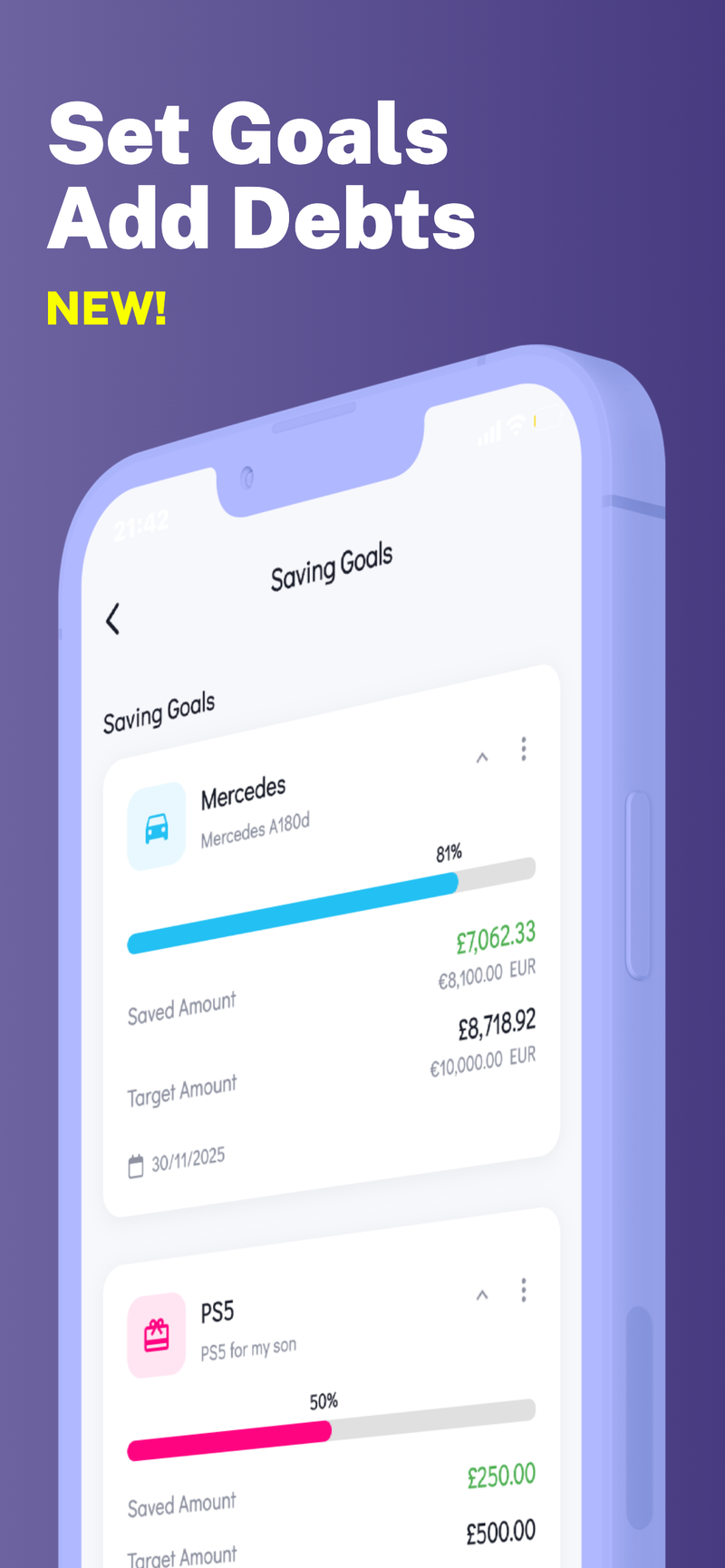
Starting a 30-day plan to build an emergency fund for your family is about taking small, doable steps that compound into real security. By setting a clear target, trimming nonessential costs, automating savings, and leveraging small extra income, you can create a robust starter fund in a month. The key is consistency and keeping the goal in sight, even when life gets busy. If you’d like a practical tool to support this process—helping you manage budgets, automate transfers, and monitor multiple family profiles—Fokus Budget offers features such as Multi-Profile Support that can help you stay organized and focused on your emergency fund journey.